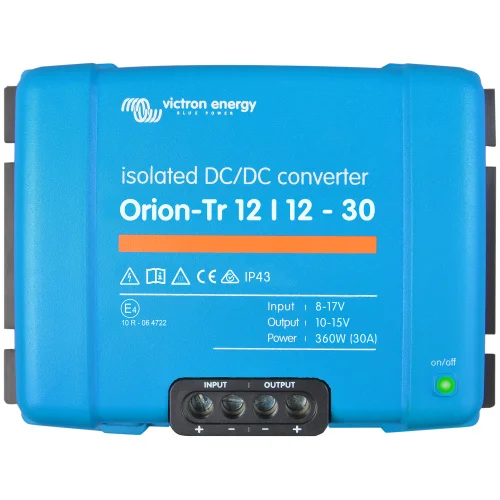
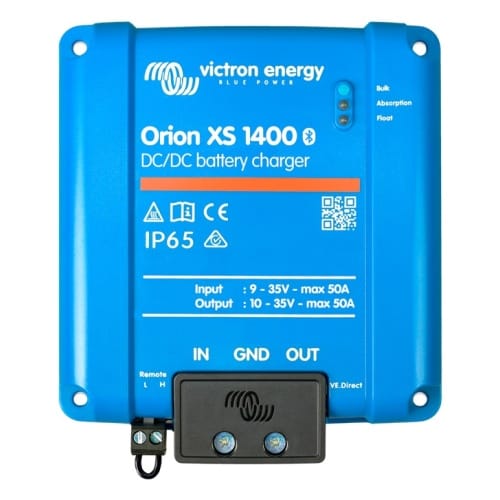
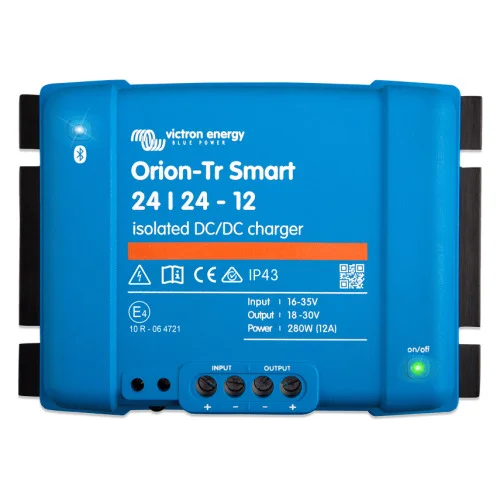
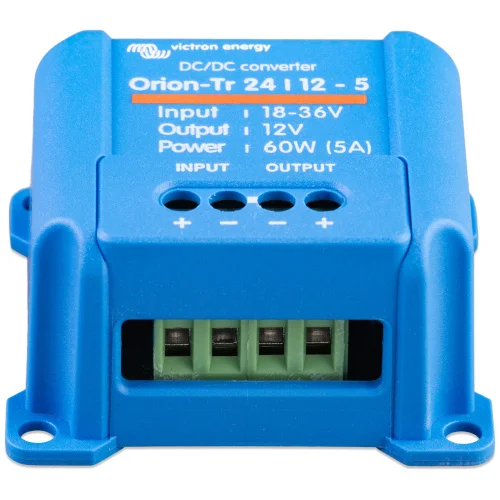
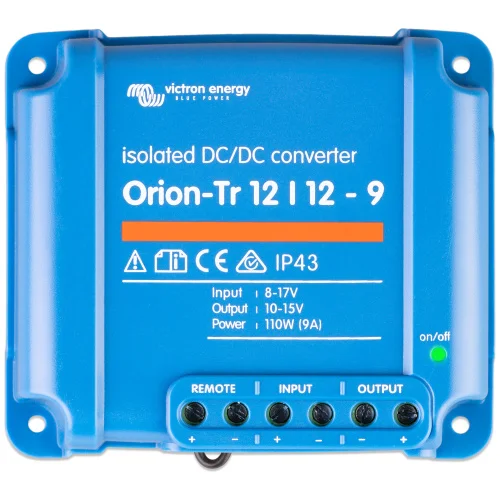
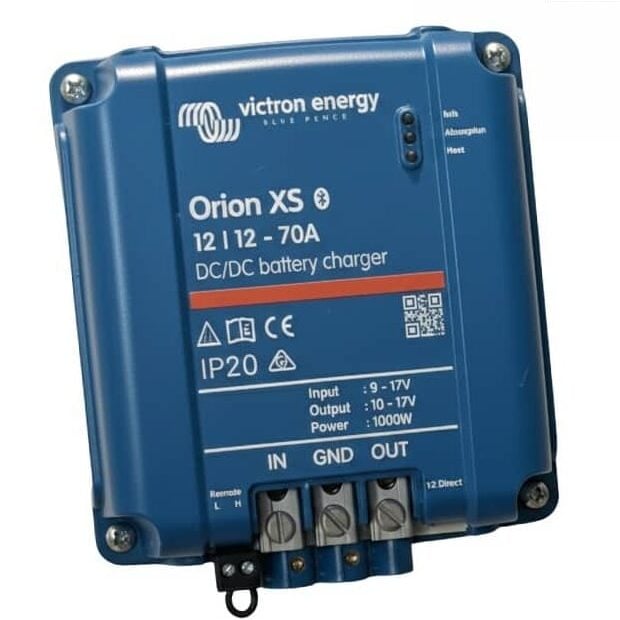
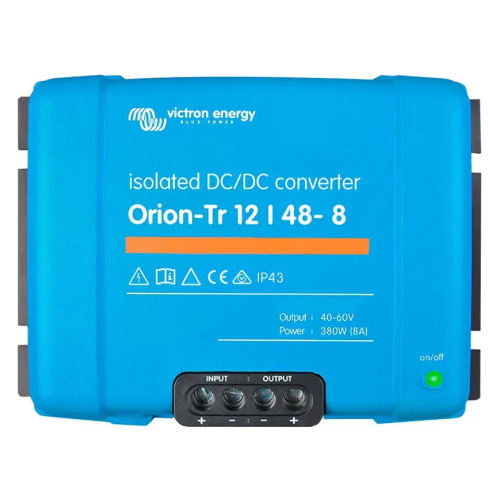
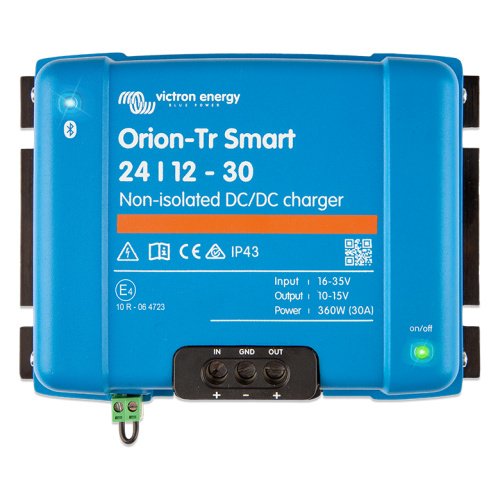
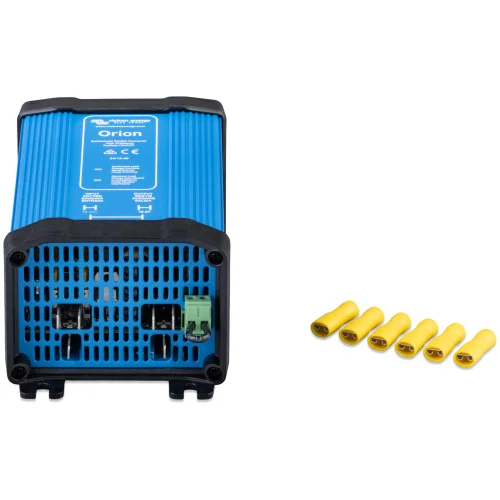
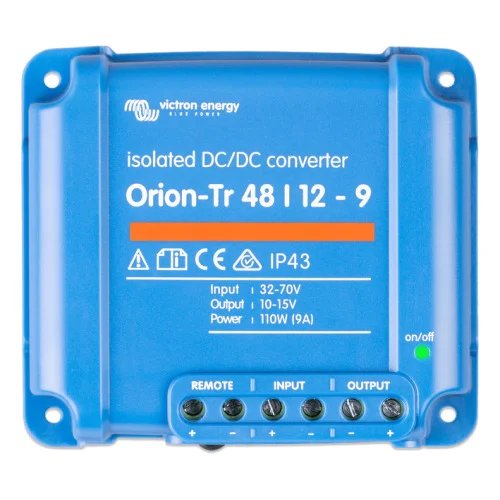
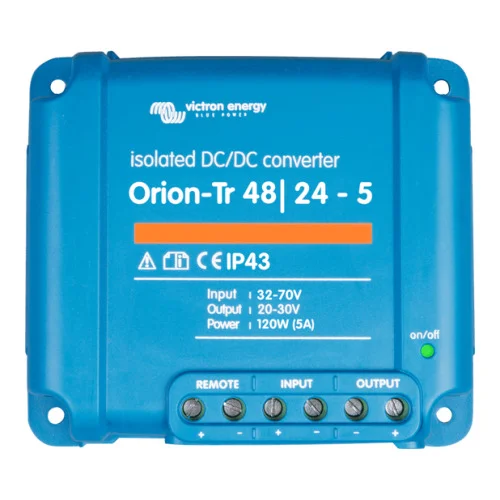
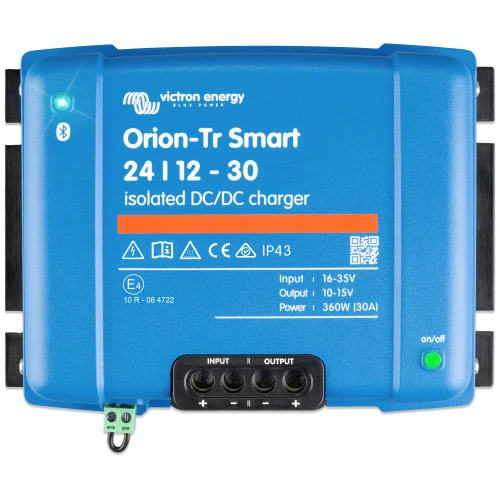
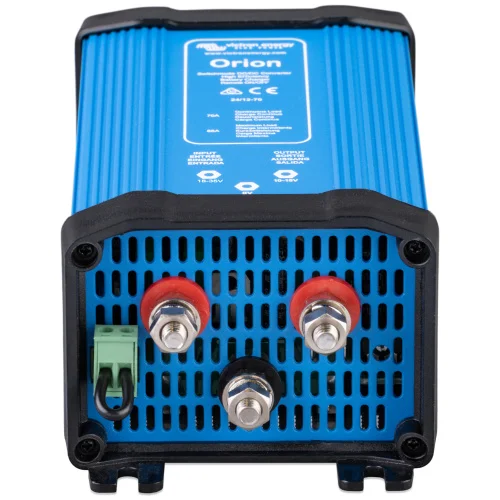
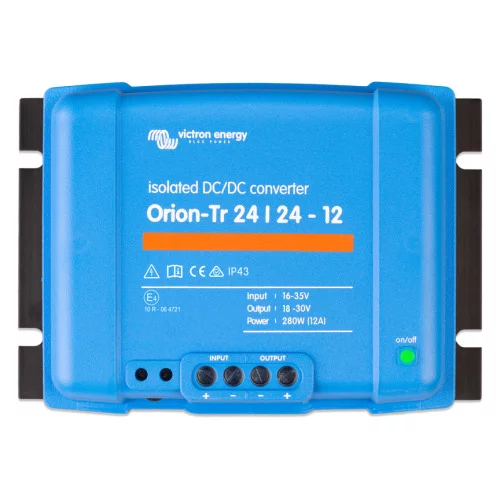
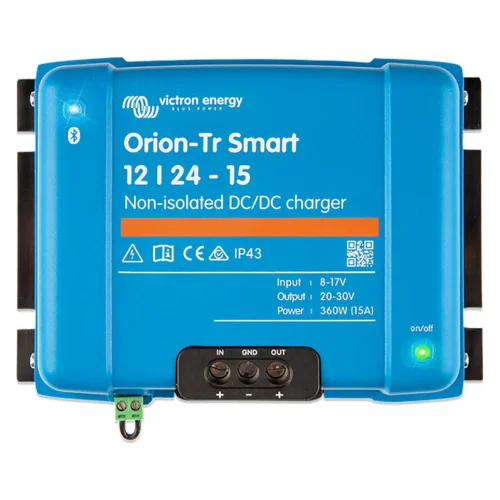
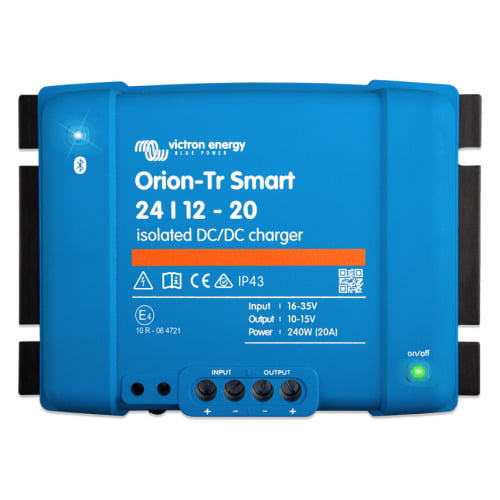
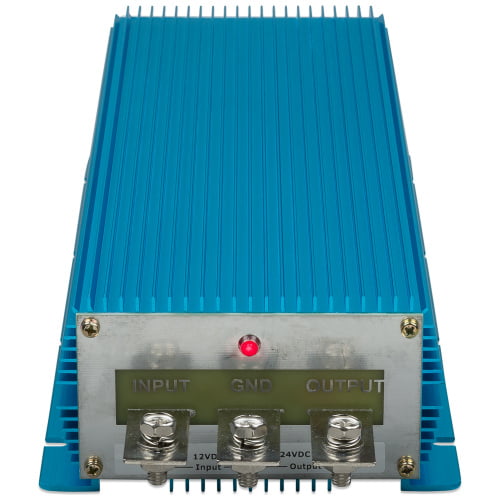
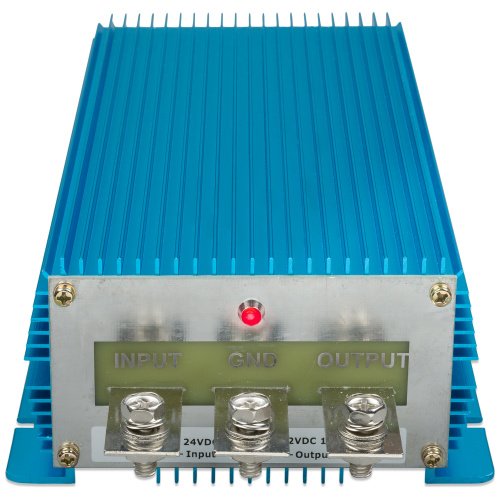
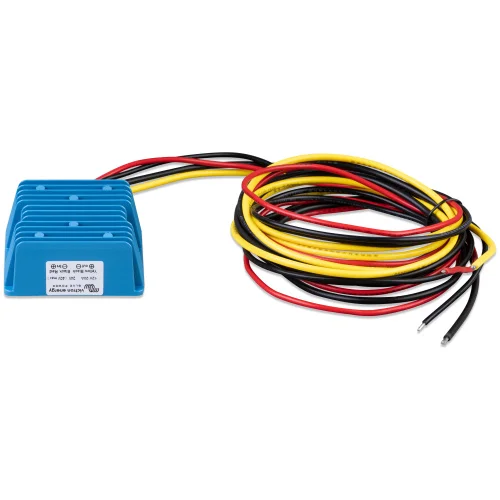
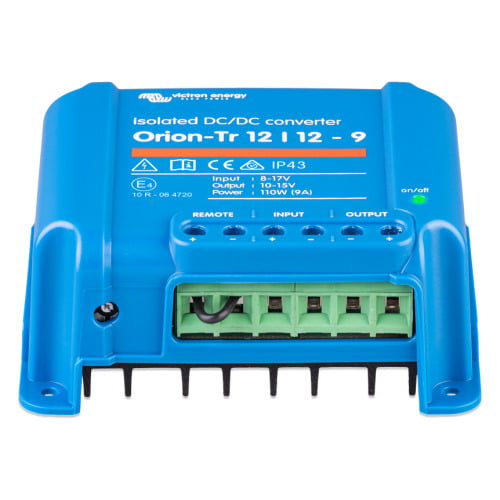
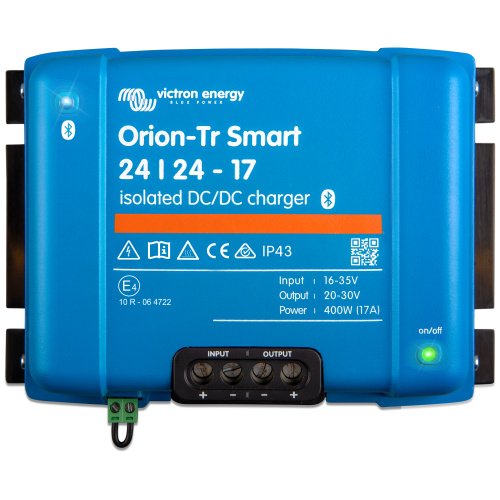
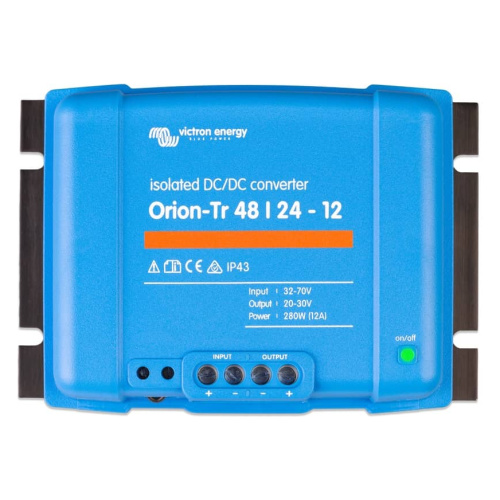
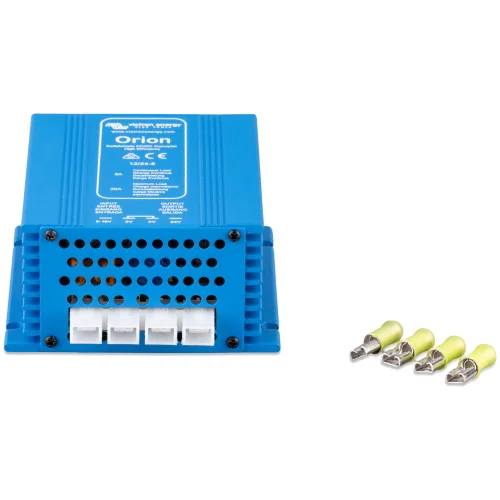
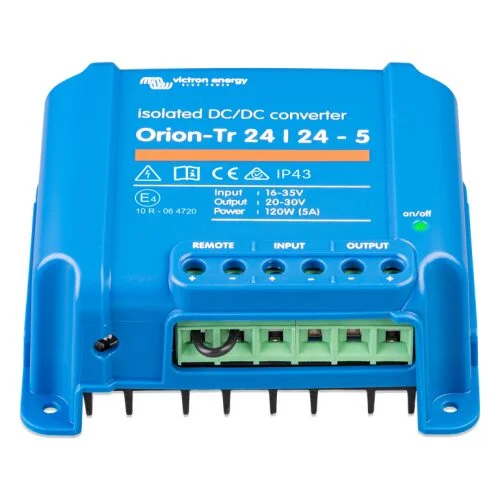
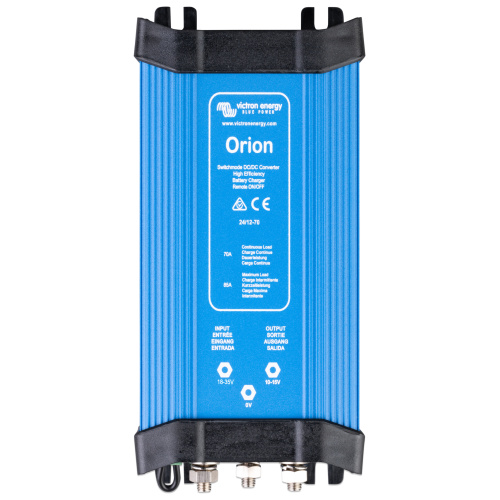
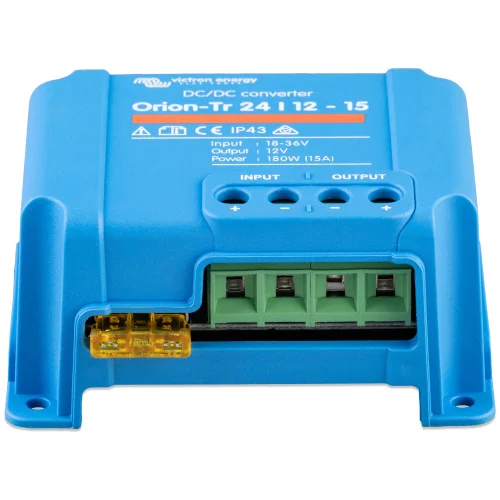
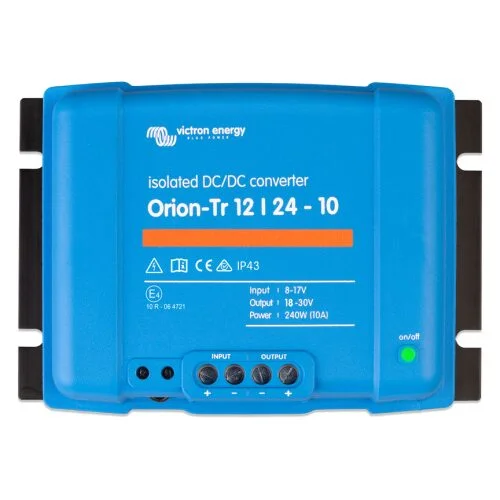
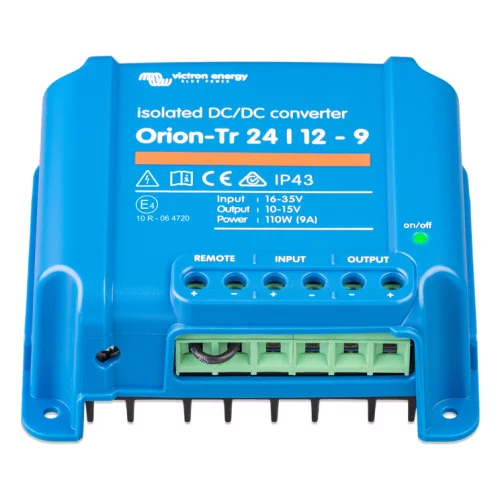
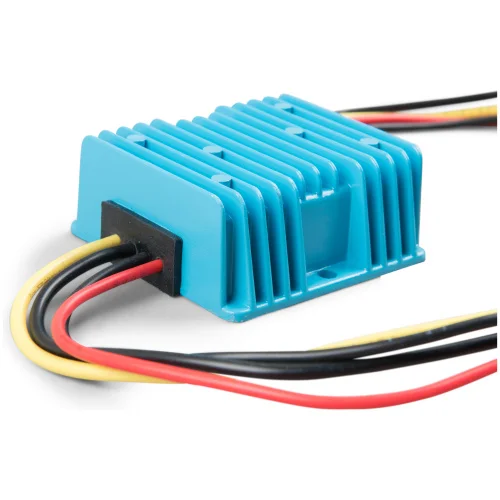
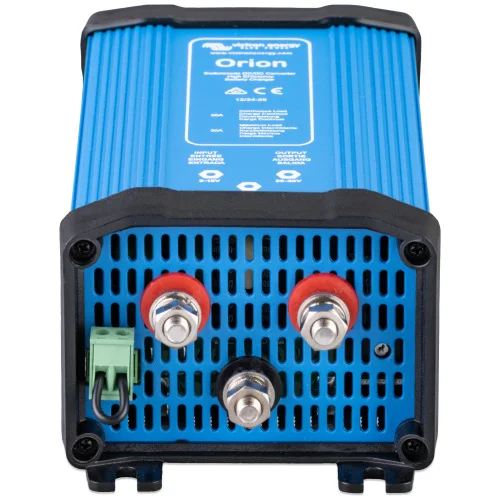
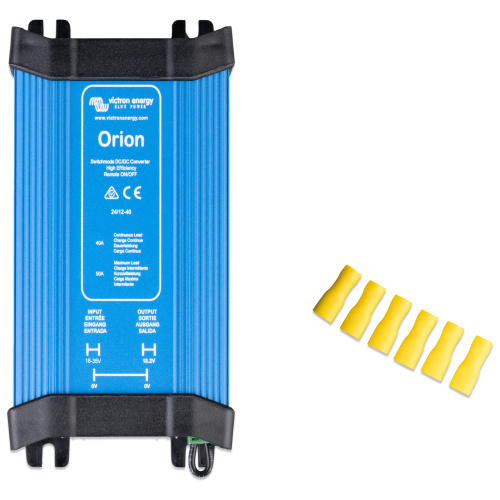
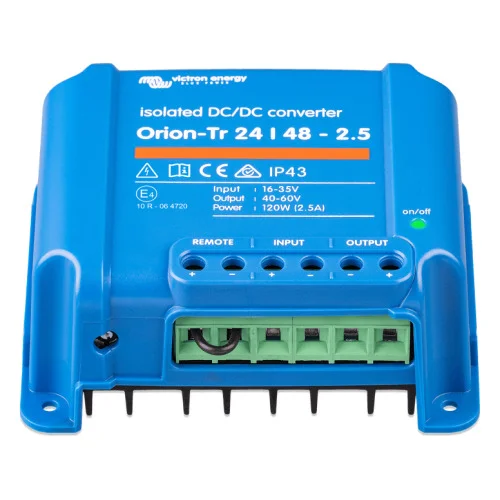
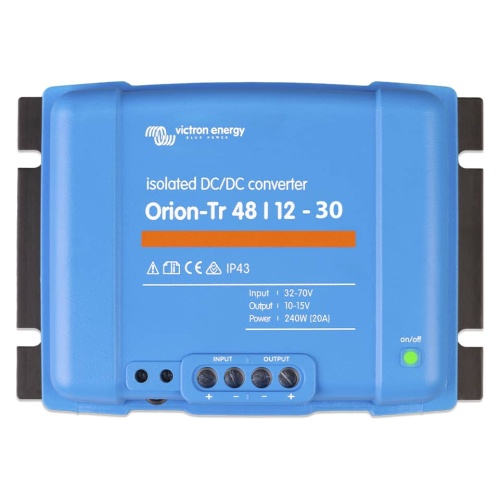
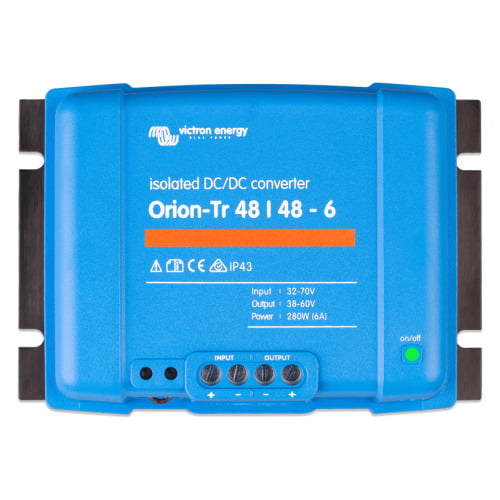
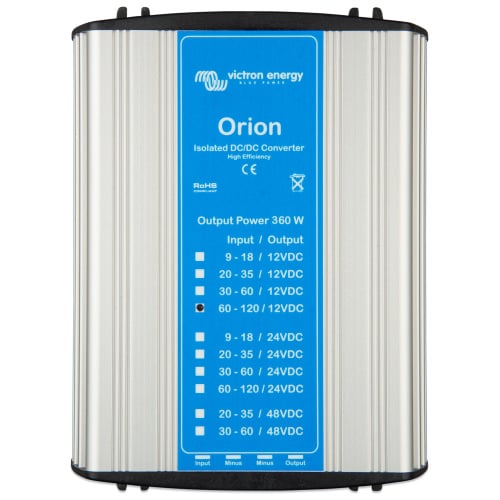
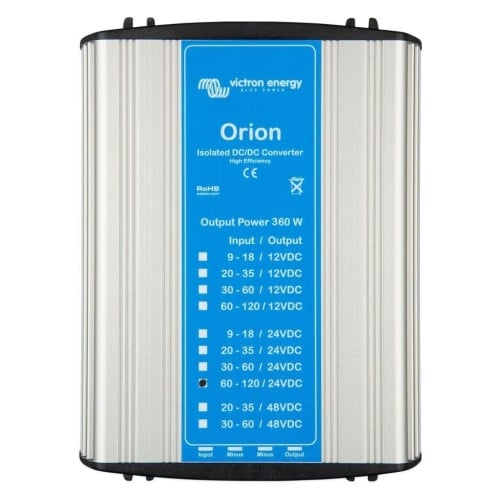
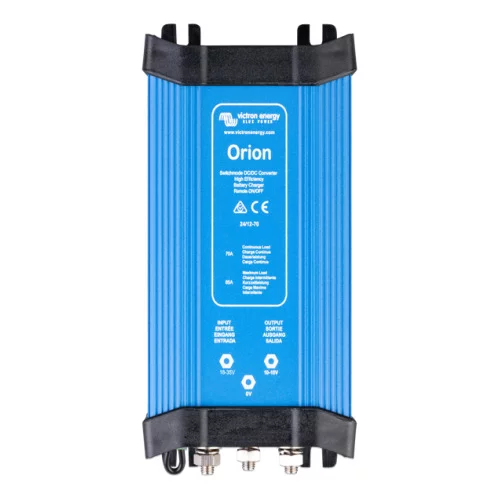
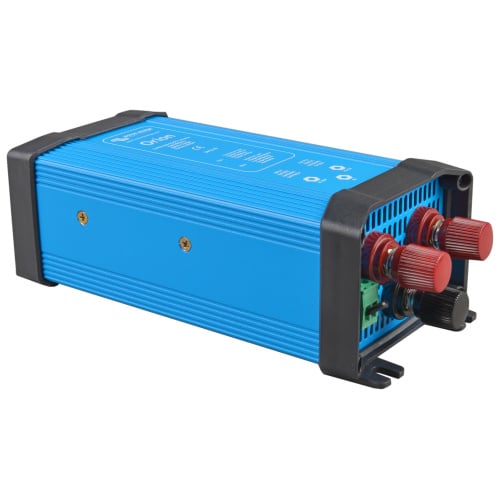
A DC-DC converter, or booster, is what enables the service battery to be charged correctly and safely from the vehicle’s alternator. In any modern campervan with a lithium battery, it is not an optional extra: it is the only way to make use of the alternator without damaging it and without leaving the battery only half-charged.
Why does the alternator not charge a lithium battery properly?
Connecting the service battery directly to the starter battery via a relay worked with lead-acid batteries, but with lithium batteries it fails for two reasons.
The first is the voltage: an alternator delivers around 14.2 V, and this drops as it heats up. A LiFePO4 battery needs a sustained 14.4 V to fully charge, so in practice you end up charging the % to 80 per cent and never fully charge the bank.
The second is more expensive: a flat lithium battery will draw whatever current you supply it with. A 200 Ah battery pack can draw 150 A from the alternator continuously, which is well above the sustained output for which it is designed. There are plenty of alternators that have burnt out because of this.
The booster does both: it boosts the voltage to the level required by the lithium battery and limits the current to a safe level for the alternator.
Which booster do I need?
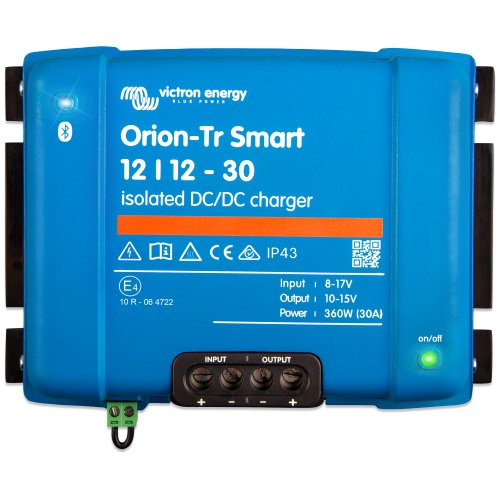
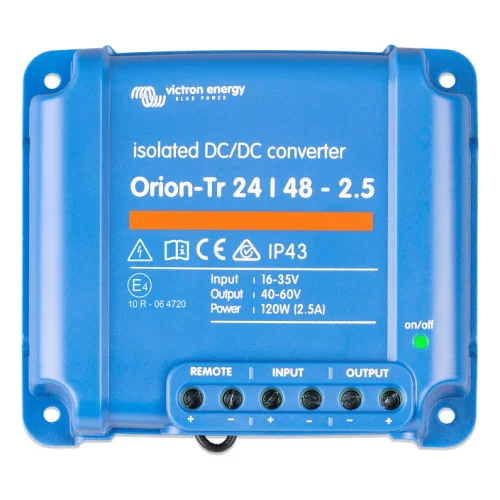
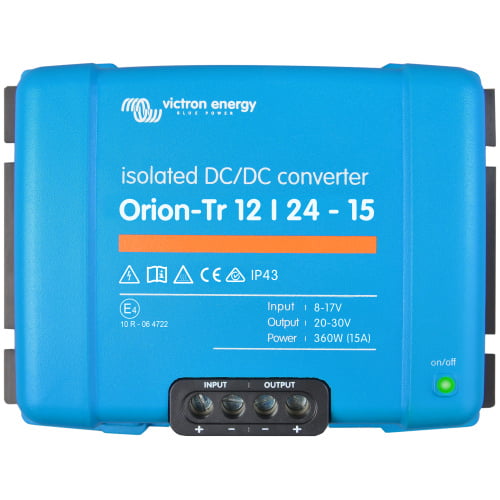
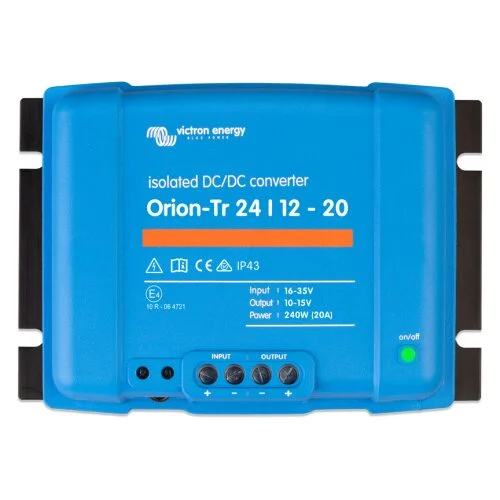
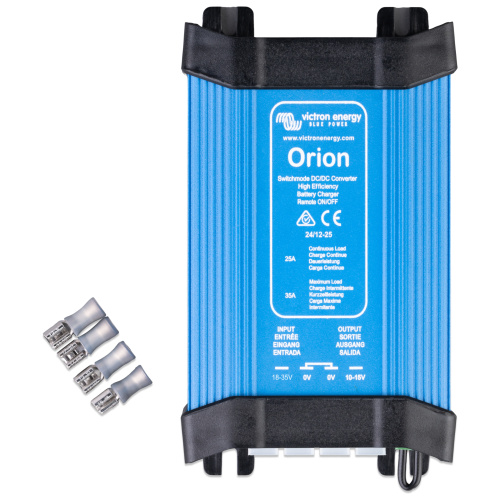
DC-DC converters are named according to their input voltage, output voltage and current: a 12/12-30 It has a 12 V input, a 12 V output and delivers 30 A.
The current is chosen based on two criteria. For the alternator: do not exceed 40–50 % of its rated capacity, so with a 120 A alternator, stick to a maximum of 50 A. And based on the battery: the higher the current, the fewer hours’ driving you’ll need to fully charge it. A 200 Ah battery with a 30 A booster needs around six hours of driving; with a 50 A booster, just under four.
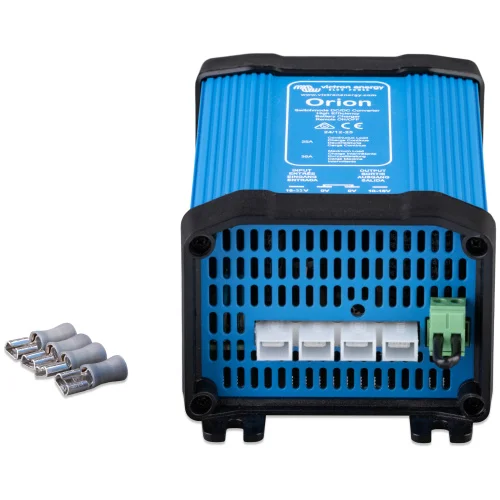
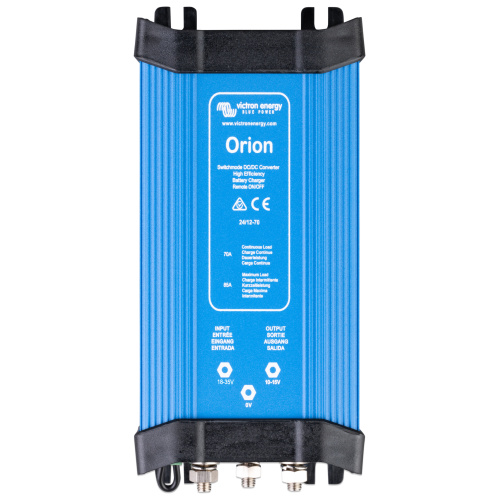
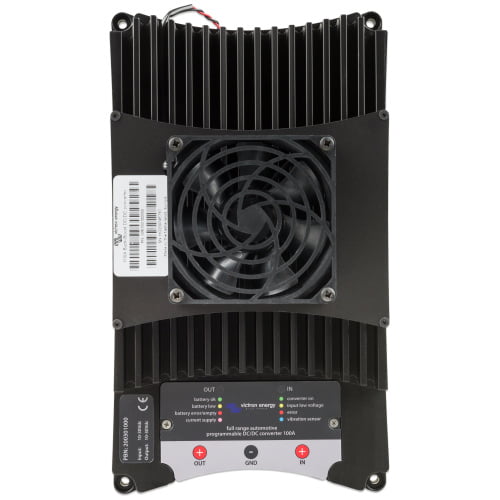
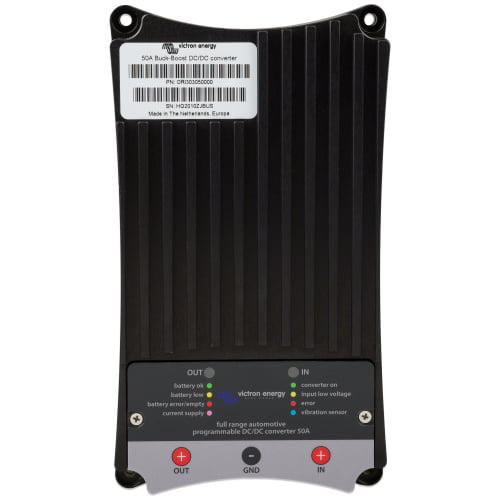
Common references: 12/12-30 for battery packs of up to 200 Ah, 12/12-50 for 200–300 Ah, and the versions 24V to 12V o 12V to 24V when the vehicle and the system operate at different voltages.
Victron’s Orion XS and Orion-Tr
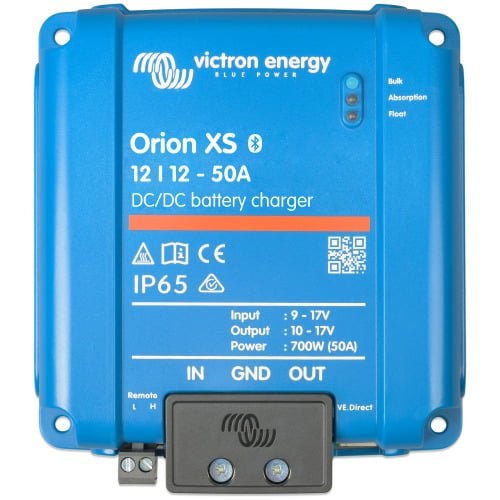
The Orion XS 12/12-50A It is currently the best-selling booster in our range. It outperforms the 98 %, is set up via Bluetooth and automatically detects whether the vehicle has a smart alternator – which is what makes installations in vans manufactured from 2015 onwards more complicated.
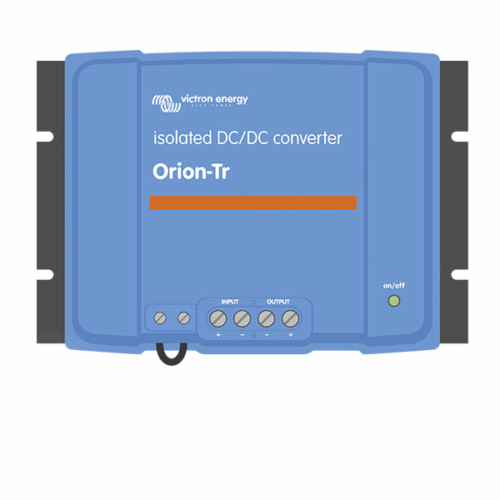
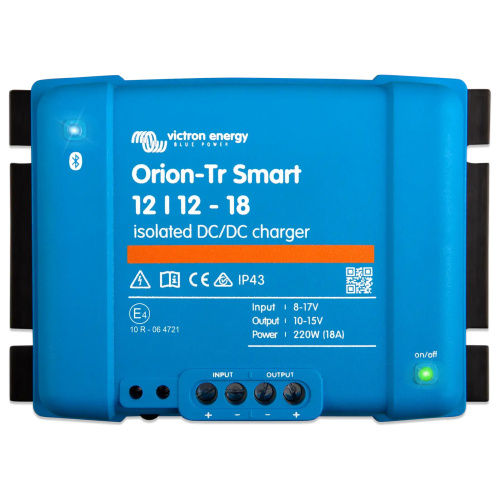
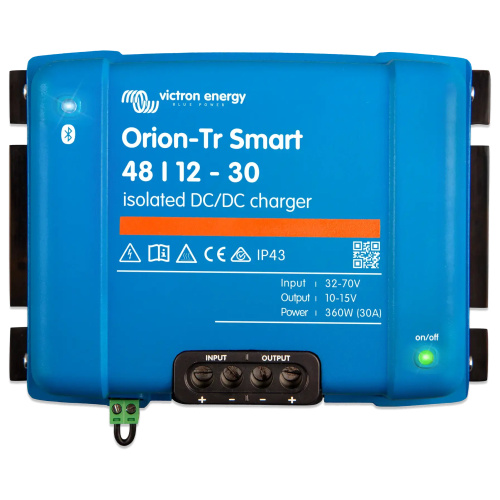
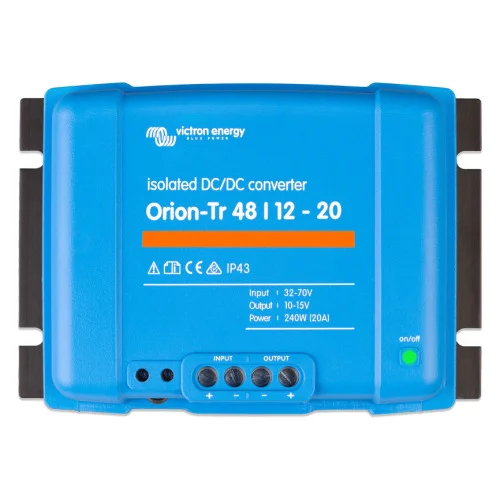
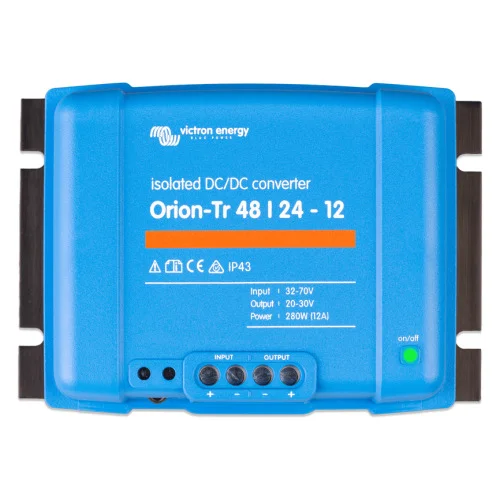
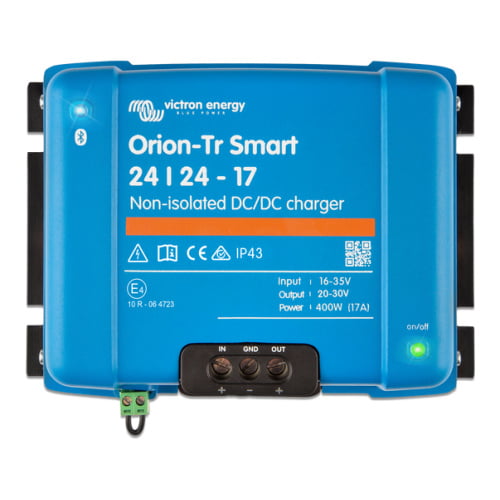
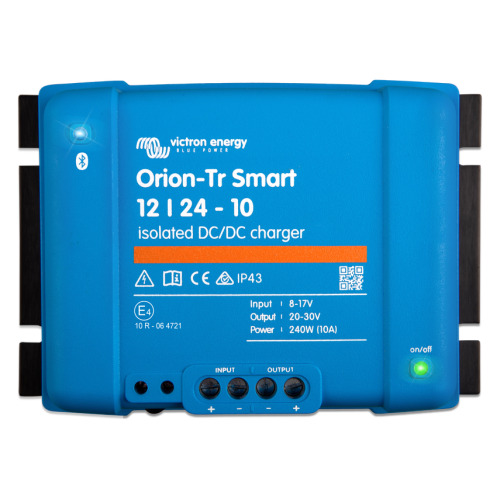
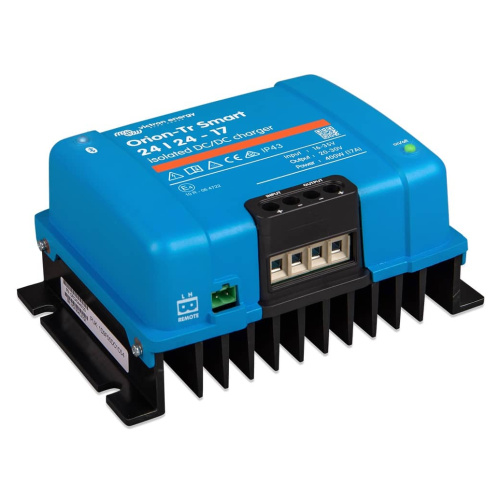
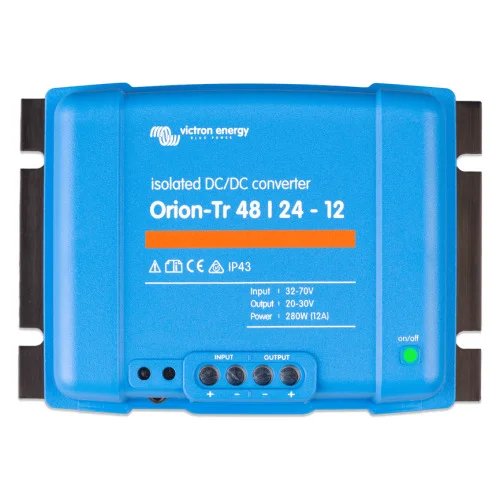
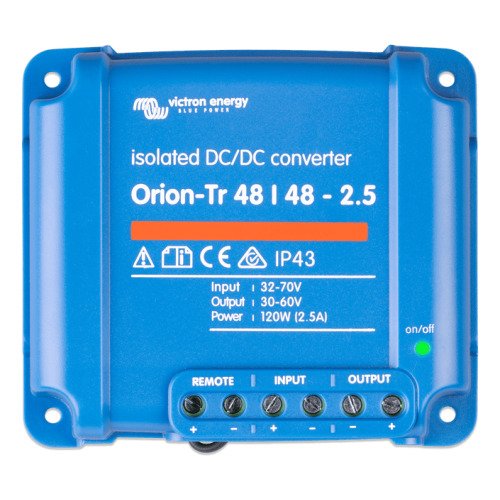
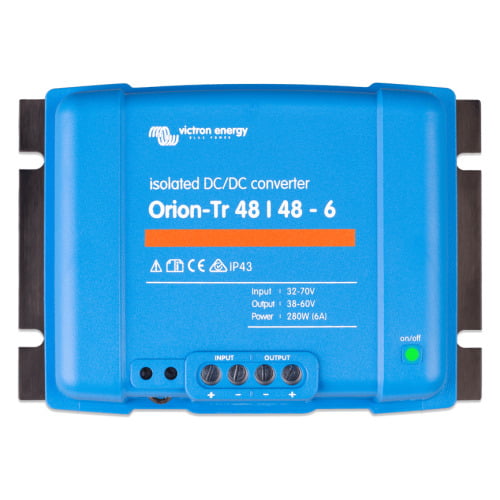
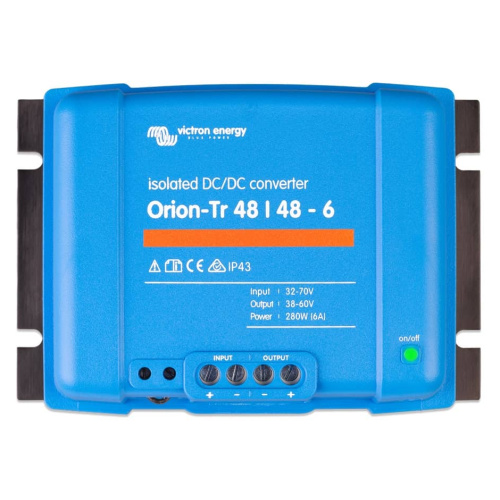
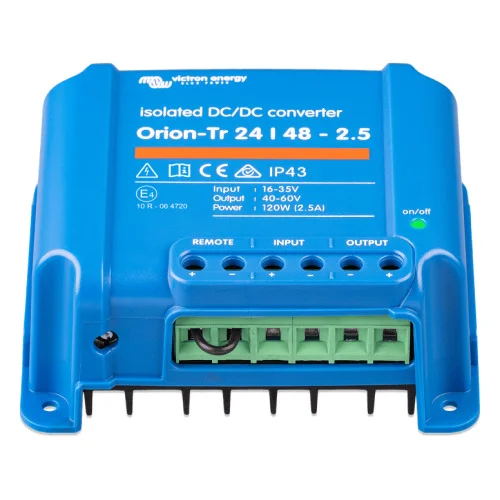
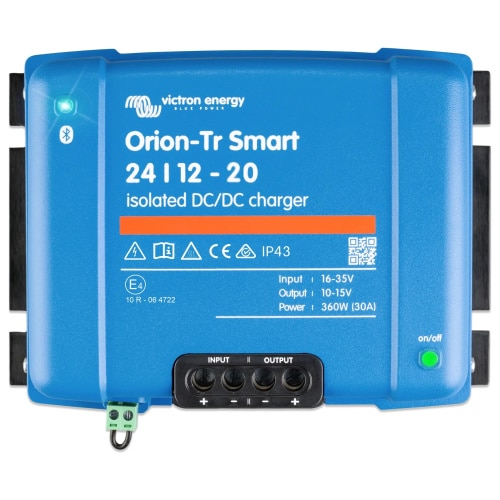
The range Orion-Tr Smart It covers all other voltage and power combinations, with galvanic isolation in the versions where this is required — essential for marine applications and in any installation where you do not wish to share a ground connection.
How to install it
The booster is connected between the starter battery and the service battery, with a fuse at each end and a cable cross-section calculated for the current it will carry: at 50 A and over a distance of several metres, using a cable with too small a cross-section means losing a significant proportion of the benefit you gain. You can check this in the cable cross-section table.
If you’re setting up the whole system, have a look at it along with the 12V lithium batteries, the MPPT controller and the 220V charger, or directly with a solar kit for campervans which already has everything sized up.
Tell us which alternator your vehicle is fitted with and the capacity of your battery, and we’ll tell you which booster you need. Advice free of charge.