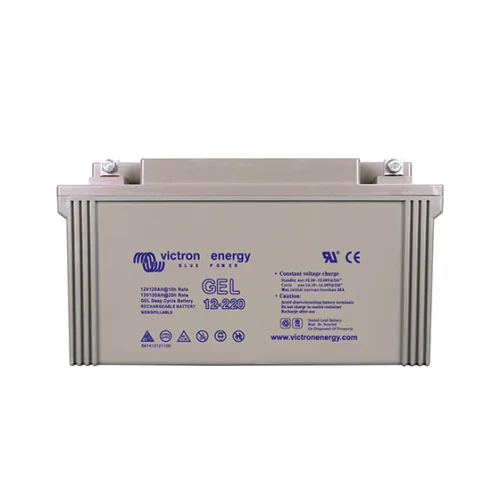
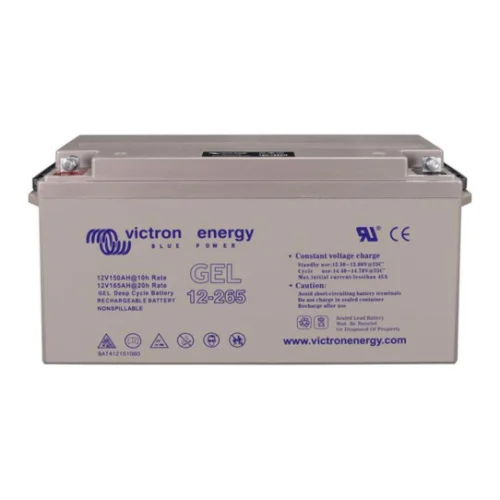
Gel batteries are lead-acid batteries in which the electrolyte is immobilised in gel form. They are maintenance-free, do not emit gases under normal use and tolerate heat and long periods of inactivity better than AGM batteries, making them a good choice in hot climates and for seasonal installations.
Gel or AGM battery: which one to choose
Both are maintenance-free sealed lead-acid batteries, but they perform differently.
The gel It withstands high temperatures better, has a lower self-discharge rate and can withstand deep discharges with less damage. On the other hand, it requires lower charging currents and is slightly more expensive.
The AGM It can handle much higher charging and discharging currents, making it the preferred choice when starting motors or powering inverters with significant peak currents. It is more economical but is more susceptible to heat.
Rule of thumb: if the system is in a hot location, is used intermittently and discharges slowly — such as a summer cottage, a second home or a buoy — use gel. If there are current spikes and the charge is rapid, use AGM.
Gel versus lithium
A gel battery can withstand discharges of 50 %, with a cycle life of around 500–800 cycles. A LiFePO4 It supports the 90 % with 3,000 to 6,000 cycles. In terms of the actual energy delivered over its lifetime, lithium works out considerably cheaper despite costing more upfront.
Gel batteries still make sense in three situations: when the initial budget is tight; in installations that will be exposed to sub-zero temperatures — where lithium batteries cannot be charged without a heater; and for one-off replacements in older systems where you do not want to alter the rest of the installation.
How to charge it correctly
The gel battery is sensitive to overvoltage: charging it using the profile for an AGM or a wet battery will damage it. It requires lower absorption voltages and a carefully adjusted float charge.
Any charger o MPPT controller From our catalogue, you can select the gel profile, and it is also advisable to use a temperature sensor, as the correct voltage varies significantly between winter and summer.
If you’re unsure whether to choose gel, AGM or lithium for your system, tell us how you plan to use it and we’ll tell you which option is really worth it: free advice.