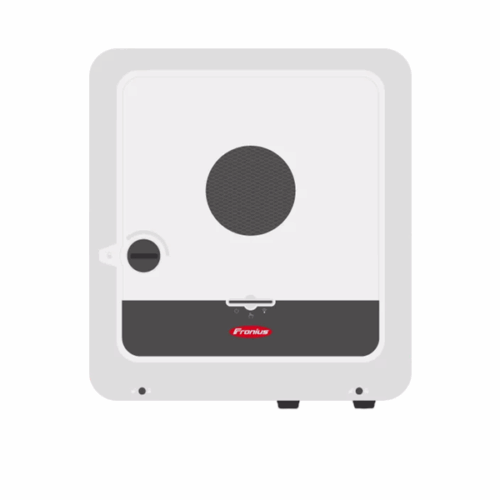
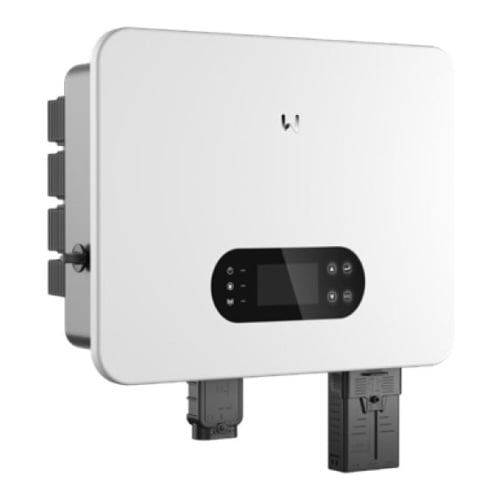
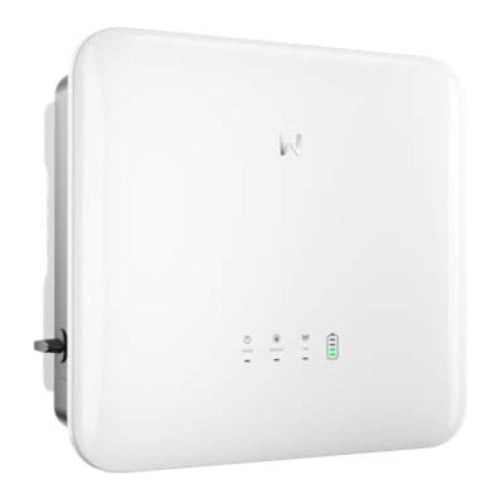
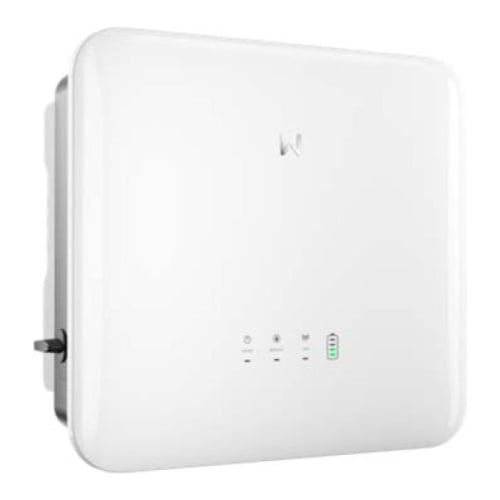
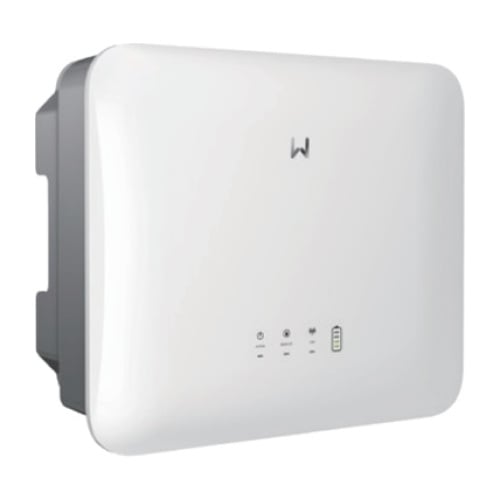
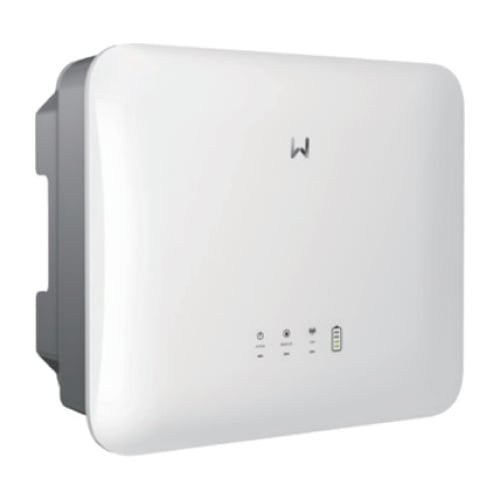
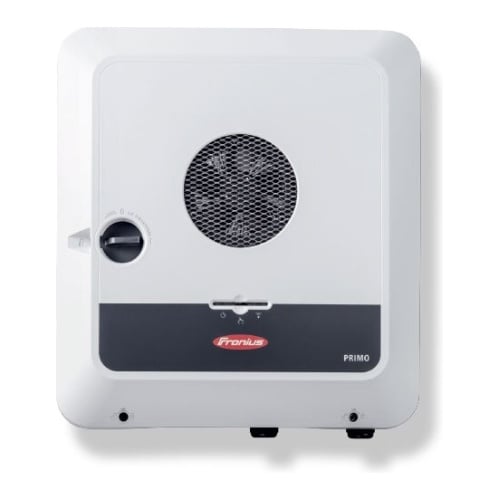
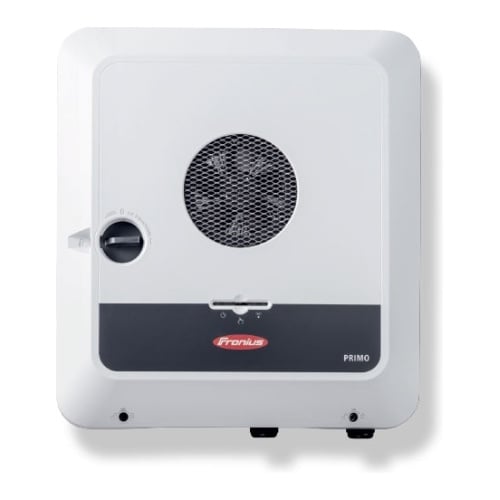
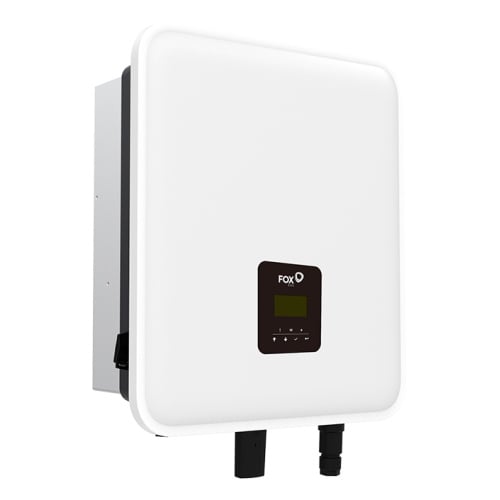
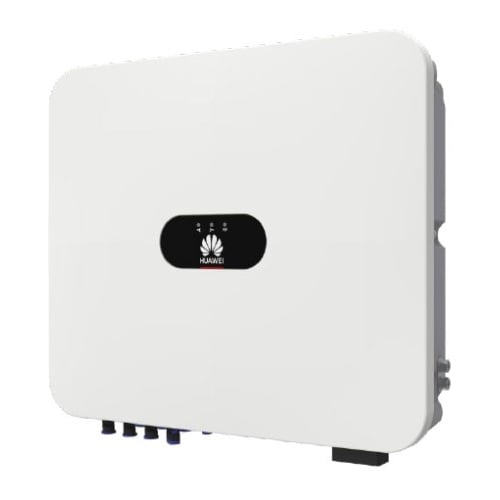
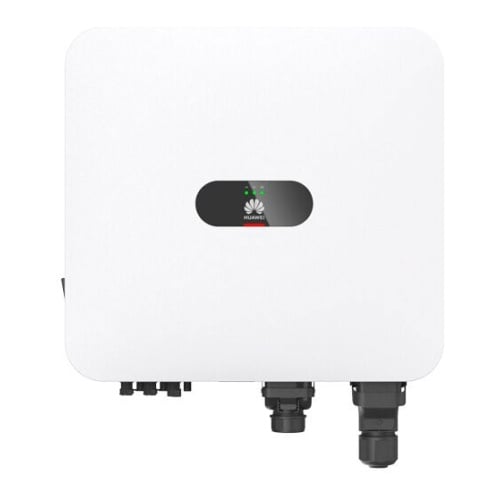
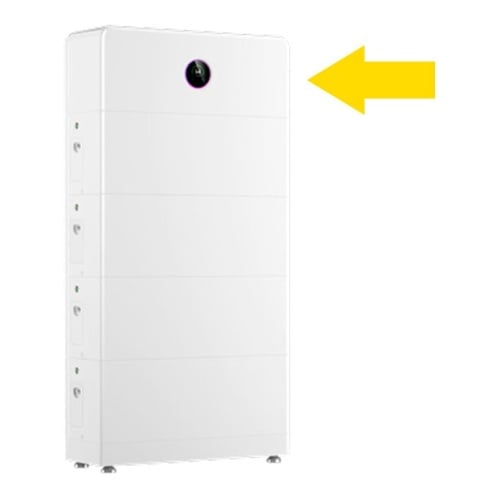
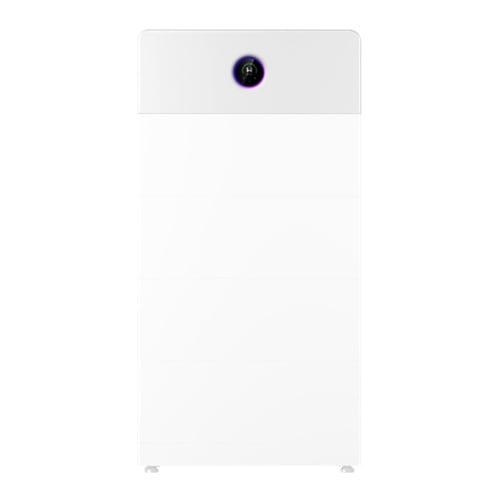
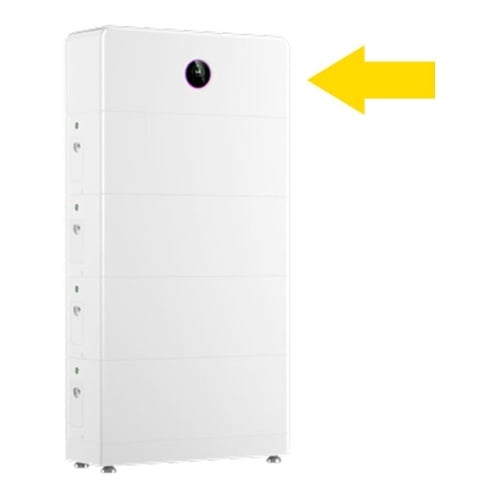
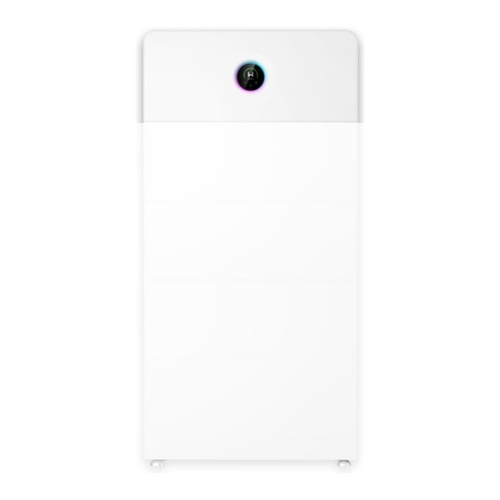
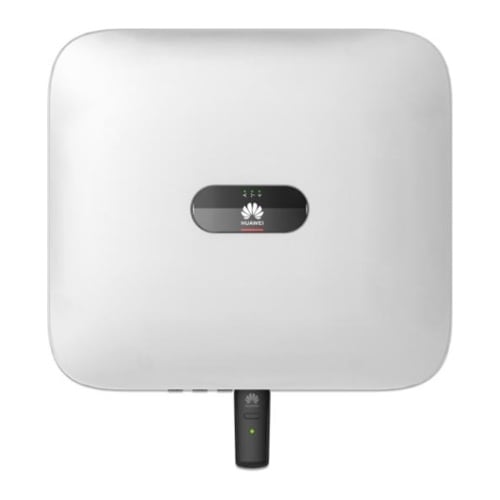
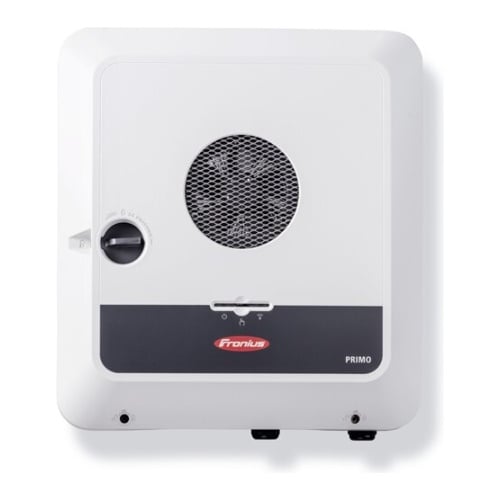
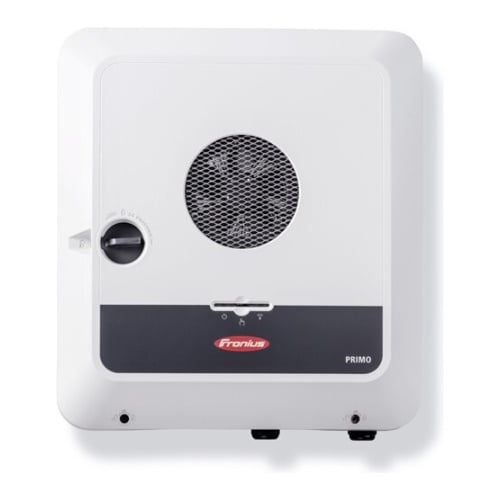
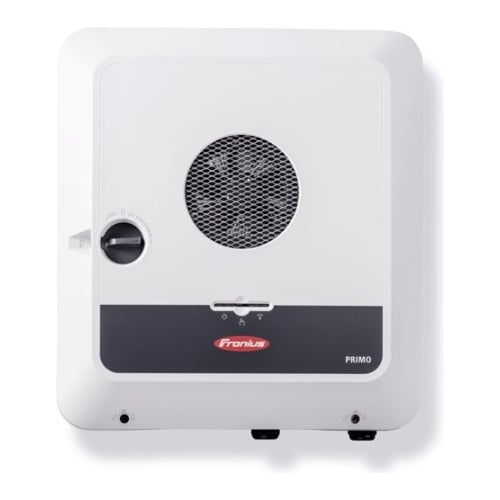
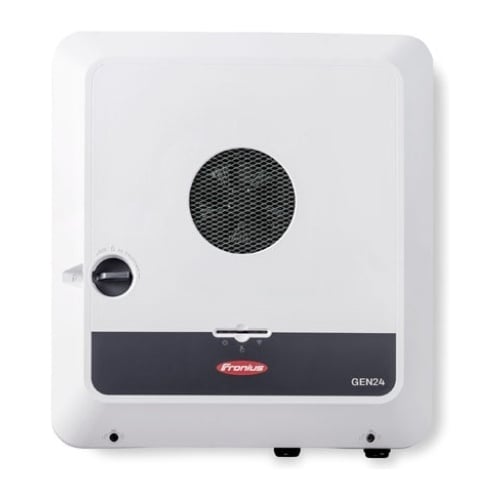
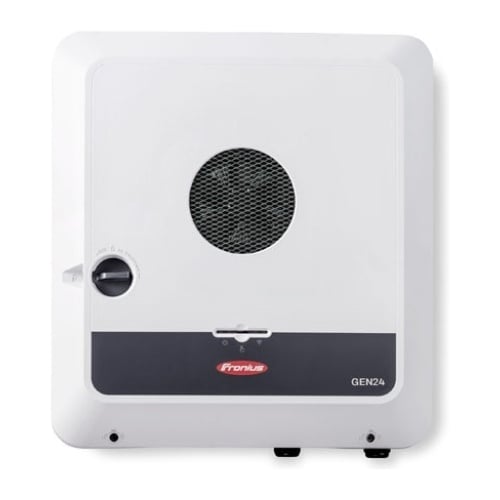
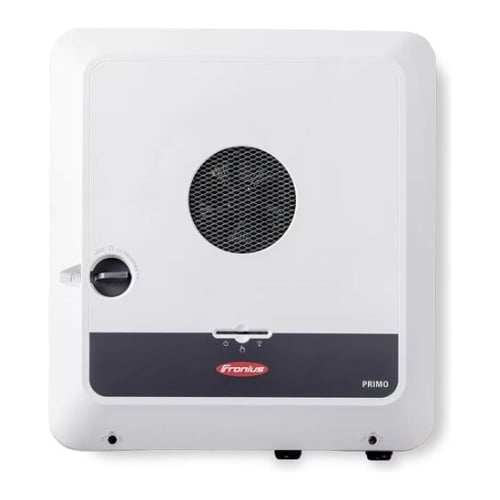
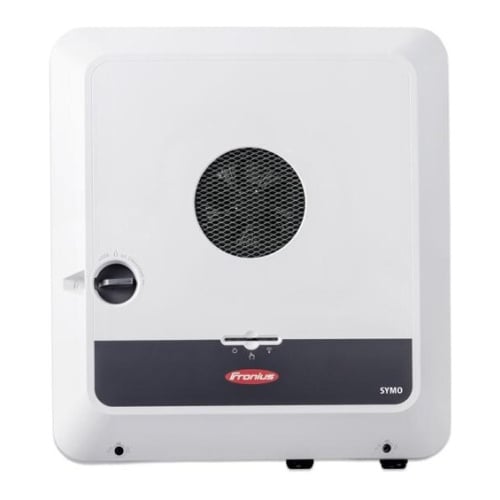
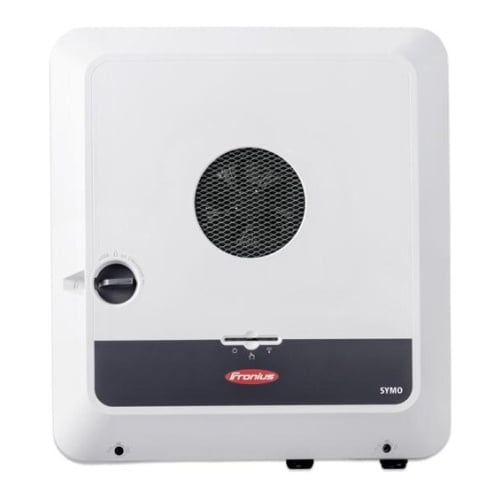
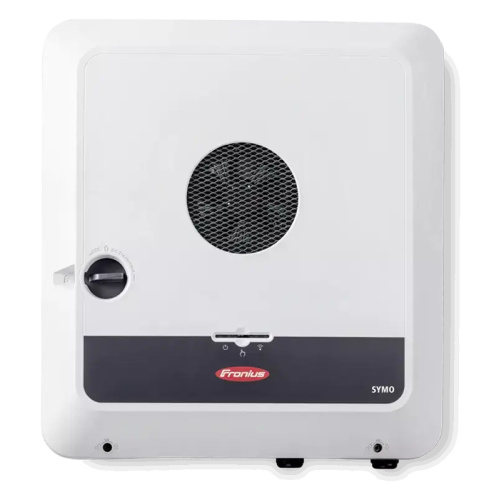
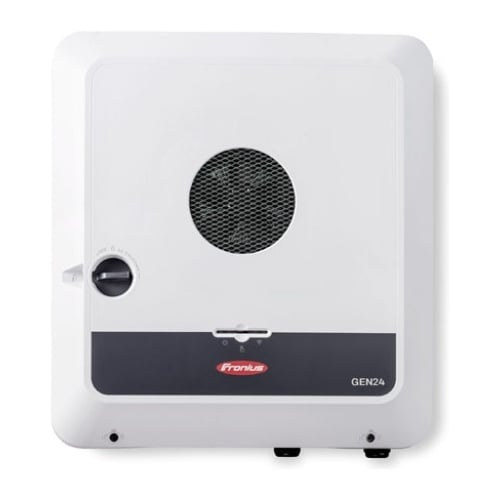
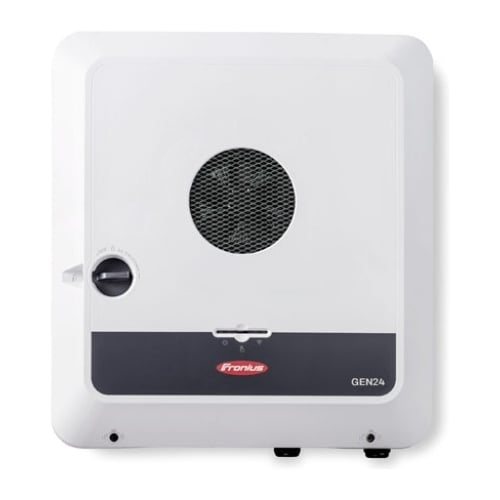
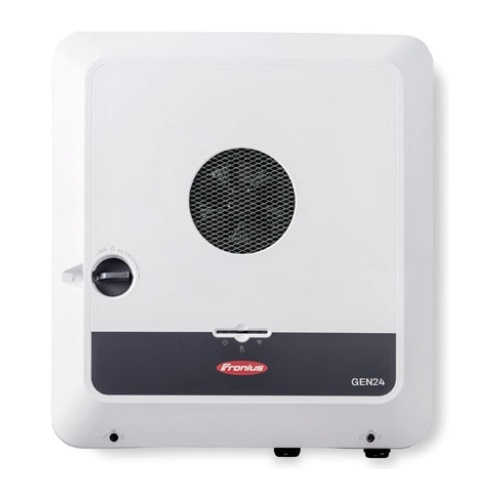
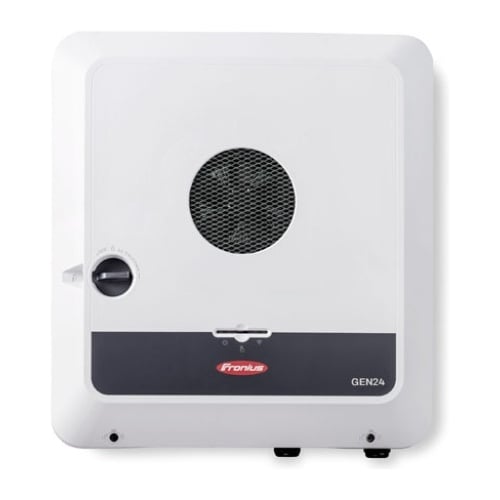
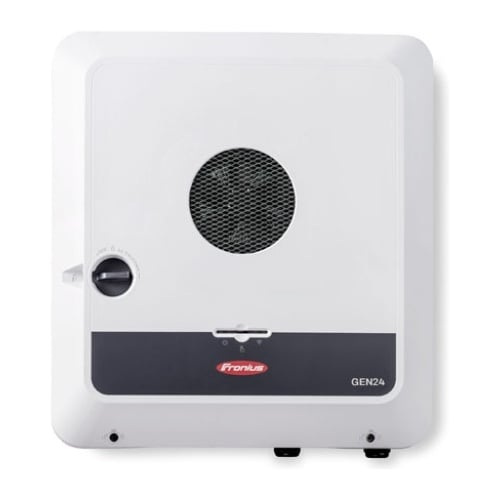
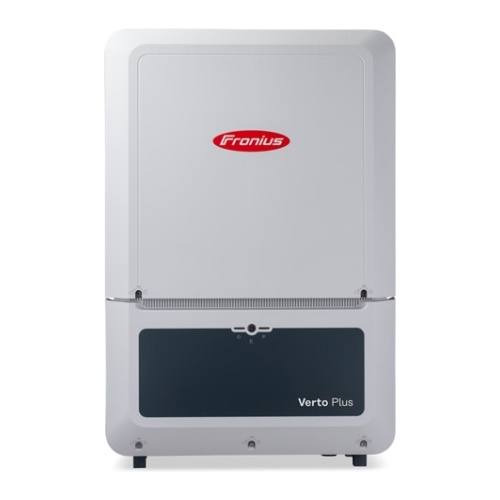
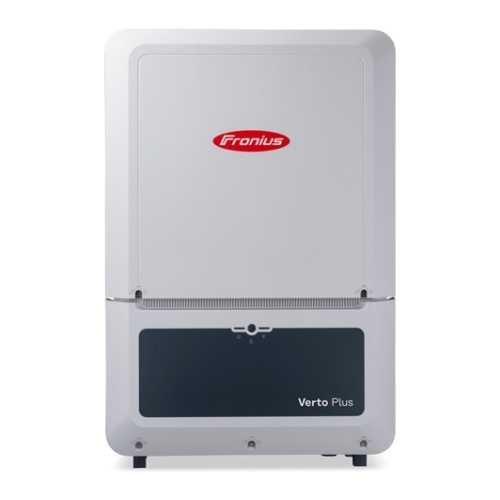
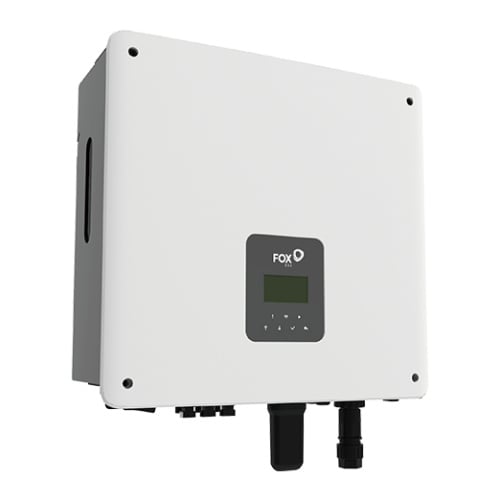
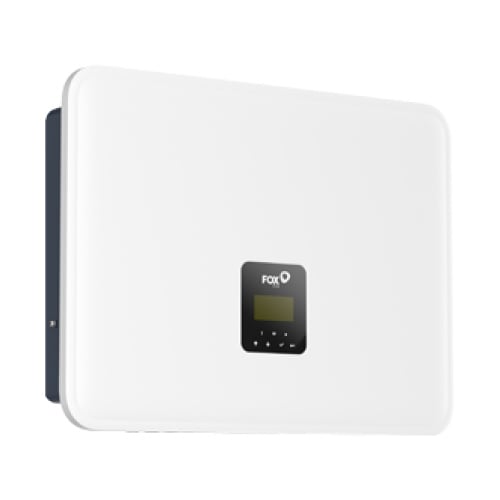
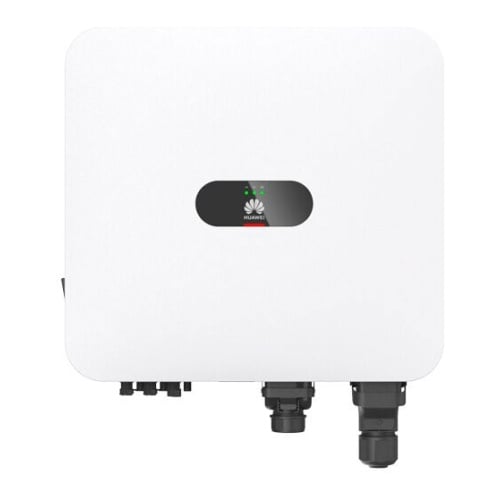
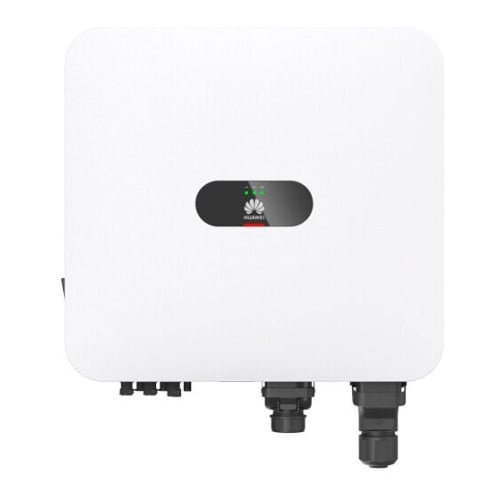
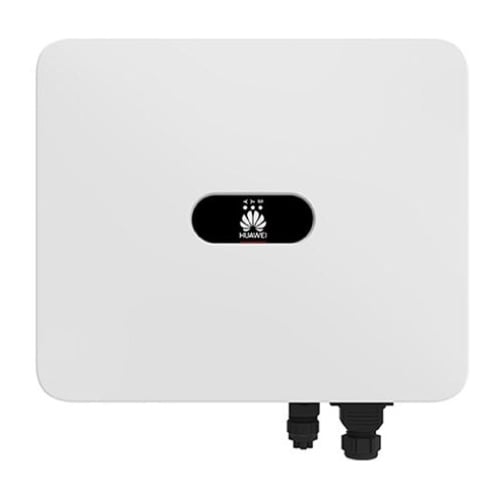
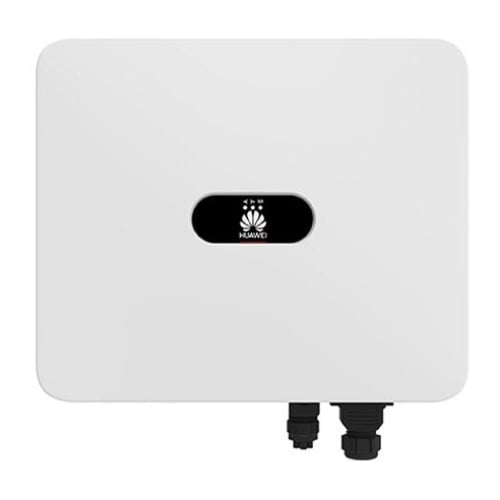
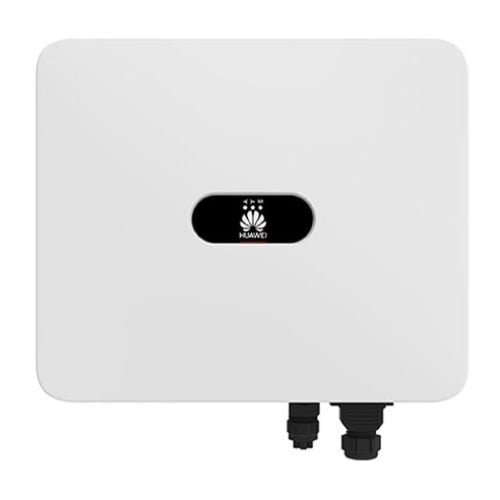
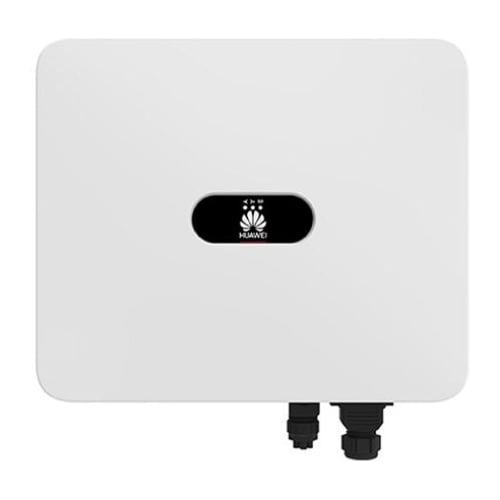
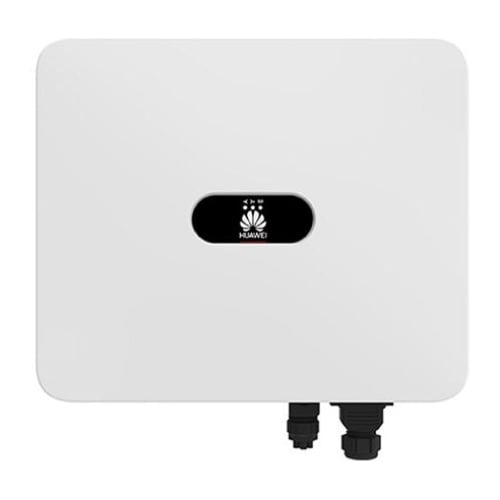
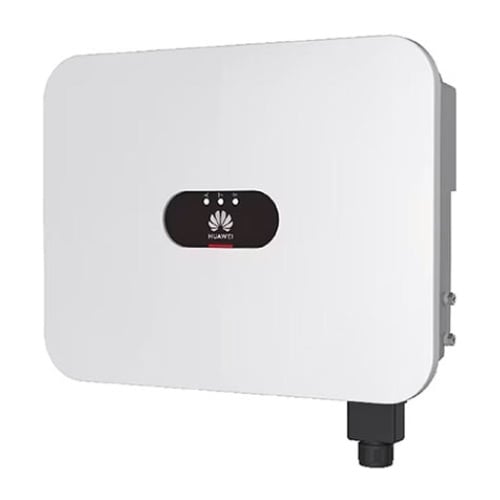
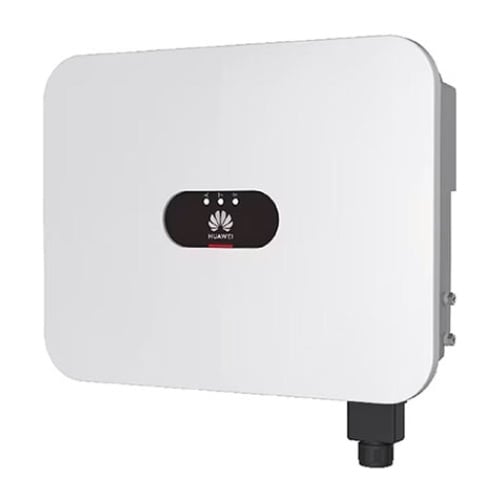
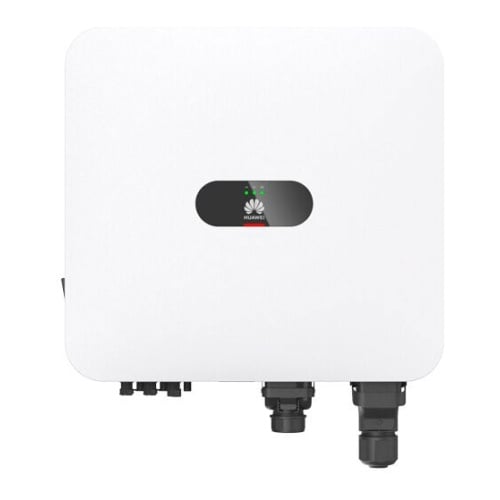
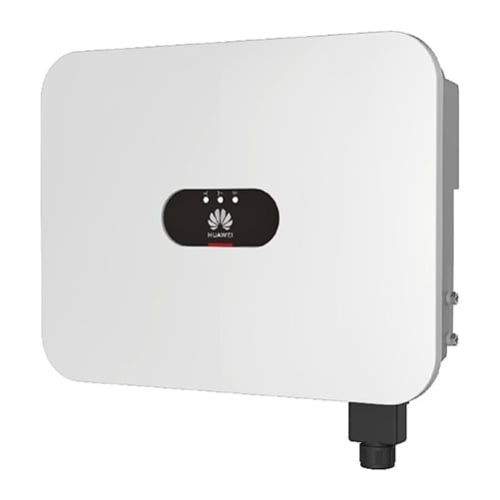
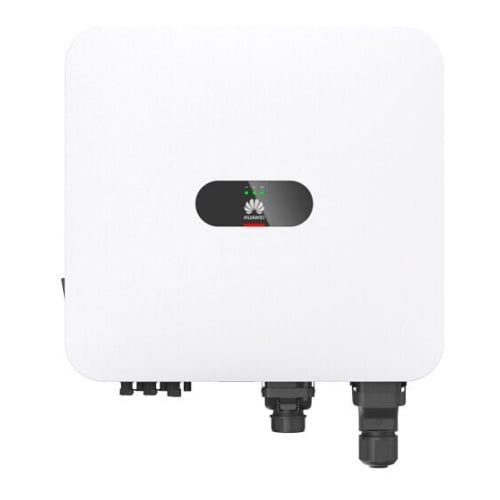
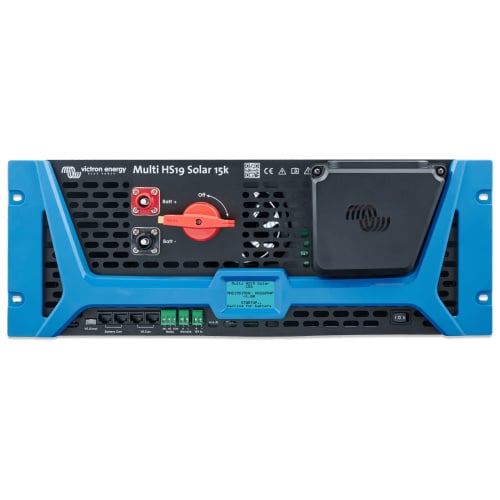
A solar hybrid inverter combines the functions of a photovoltaic inverter, battery charger and grid manager in a single device. It is the most complete solution for domestic installations that want self-consumption with storage: it uses solar energy first, charges the batteries with the surplus and only uses the grid when necessary.
Unlike a conventional self-consumption inverter, the hybrid inverter can operate in off-grid mode — it keeps appliances running even if the grid goes down — and intelligently manages the priority order of energy sources: solar first, batteries next, and the grid as a last resort.
What is the actual difference between a hybrid inverter and a self-consumption inverter?
A self-consumption inverter only has the DC-AC conversion stage: it converts the electricity generated by the panels and feeds it into the system. To add batteries, you need a second unit – an AC-coupled inverter-charger – with its own electronics and associated cost.
The hybrid system integrates the panels’ MPPT tracking, AC conversion and a bidirectional DC-DC converter to the battery. The technical consequence is that the solar energy fed into the battery does not pass through an AC stage: it remains DC, with just one conversion instead of three. This results in a gain of several percentage points in efficiency during the charge and discharge cycle compared with an AC coupling.
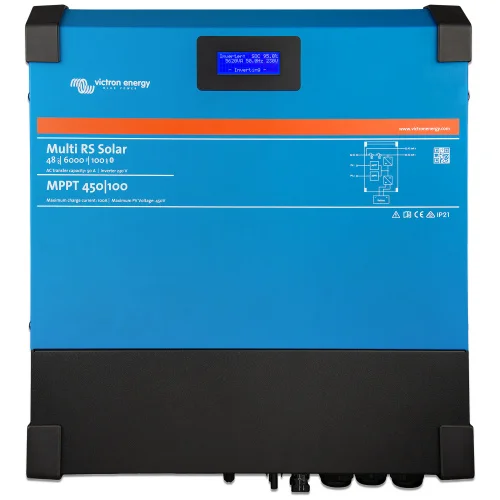
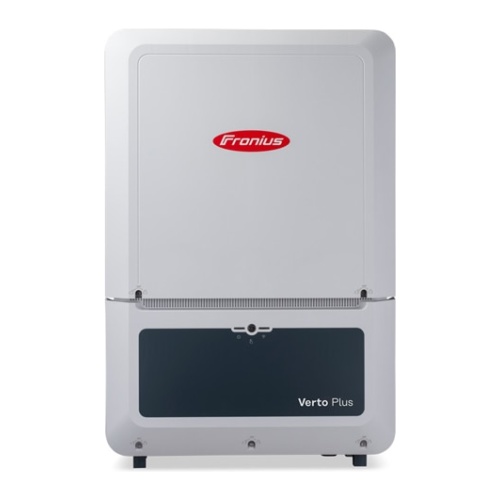
The advantage is that, with AC coupling, you can increase the photovoltaic power output without altering the battery inverter, and if one unit fails, the other continues to operate. That is why, for large installations or those where future expansion is planned, we continue to recommend AC coupling with Fronius and Victron, whilst in new-build homes the hybrid system is superior in terms of simplicity and cost.
What power rating do I need for a hybrid inverter?
These are two separate calculations that should be carried out individually.
DC/AC ratio. The peak power output of solar panels can exceed the inverter’s rated power. A ratio of 1.1 to 1.3 is typical in Spain: with 6 kW of panels, a 5 kW inverter performs best for most of the year and only underperforms during the midday peaks in spring. Oversizing the inverter is a waste of money; staying below 1.0 means the inverter is underutilised.
Output power versus simultaneous power consumption. Here, the contracted power and start-up loads are the key factors. A heat pump or an air-conditioning unit with a non-inverter compressor requires a start-up peak of two to three times its rated power. If the backup system has to handle these loads, the sizing is determined by the peak, not the average.
As a guide: for contracted power of up to 6 kW, a 5 kW single-phase system is sufficient for most homes; for 6 to 9 kW, it is advisable to opt for 8–10 kW; for higher power requirements, or where a three-phase supply is available, switch to a three-phase system to take advantage of phase balancing. Verify the string configuration using our Series and parallel panel calculator.
What happens when the network goes down?
This is where the most confusion arises, and where the specific model is the deciding factor:
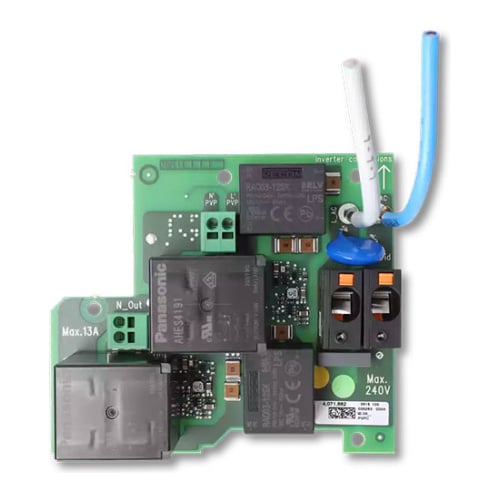
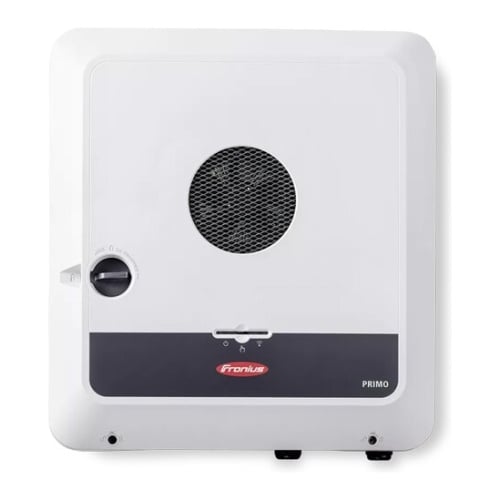
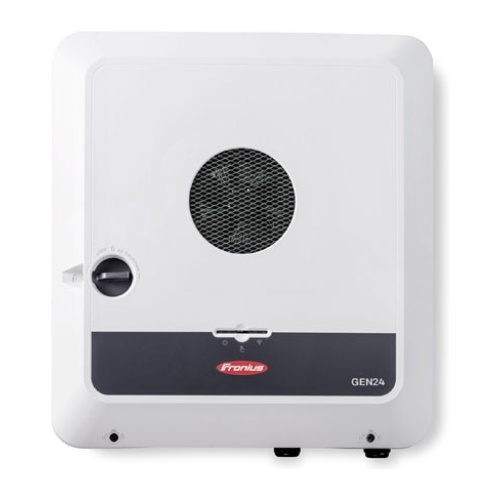
- Fronius GEN24 Plus: It offers two modes. The PV Point is a standalone power socket that works whilst there is sunlight, without the need for a battery, and does not supply power to the home’s electrical system. The Full Backup mode does switch over the entire system, but requires a battery and backup wiring to be installed from the outset.
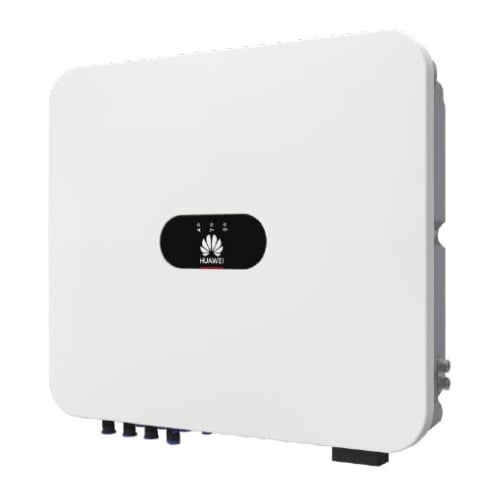
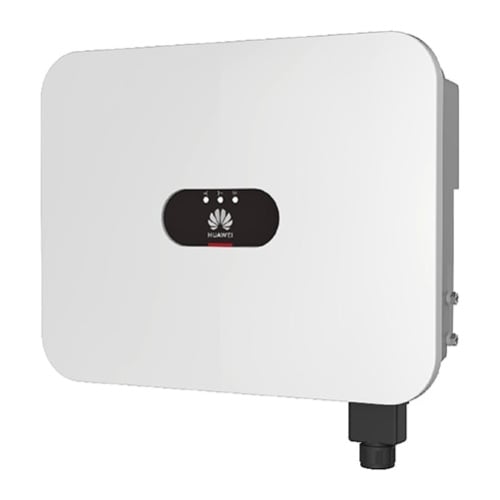
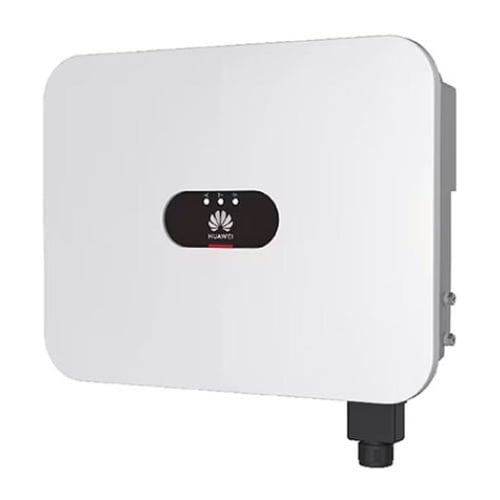
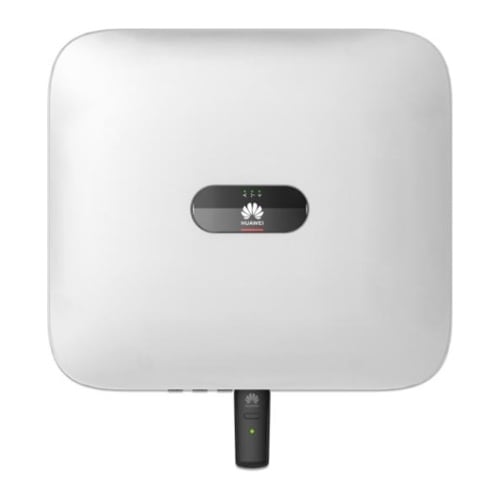
- Huawei SUN2000 M1: It requires the Backup Box and the LUNA2000 battery to operate in off-grid mode. Without that module, the inverter will shut down if the mains supply fails.
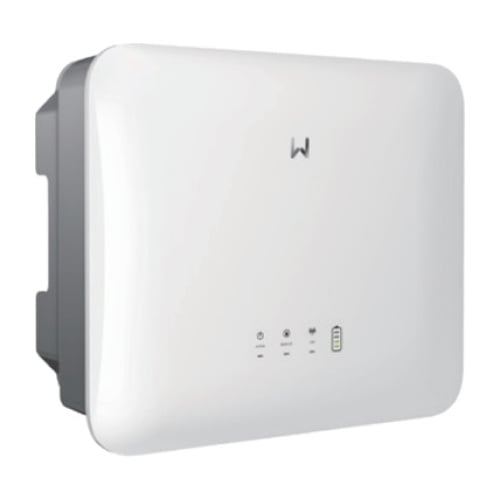
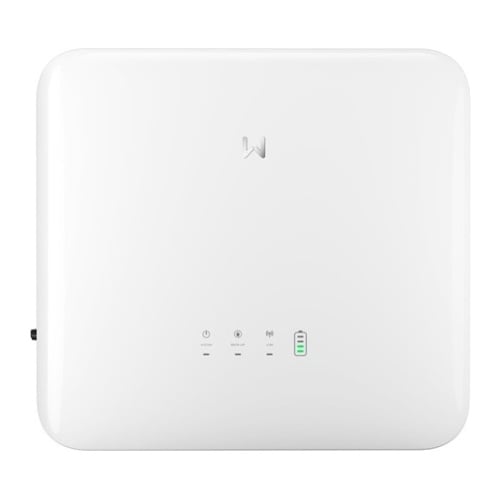
- GoodWe ESA and ETA: They incorporate a backup power output, with the backup power limited compared to the unit’s rated power.
The bit that everyone finds tricky: The back panel must be wired during installation. It is not a function that can be enabled via software at a later stage. If you did not separate the critical load panel when you installed the system, adding it later would mean reopening the installation.
What else does a hybrid inverter need to work?
None of these systems work with just the inverter and the panels:
- Energy meter on the main switchboard: essential for zero injection and so that the equipment knows how much surplus energy there is. Fronius uses the Smart Meter; Huawei, the Power Sensor; GoodWe uses the GM330 for three-phase systems or the GMK110 for single-phase systems.
- Compatible battery: High-voltage hybrids are not compatible with just any battery. They operate at high bus voltages and use manufacturer-specific CAN communication, so a 48 V battery pack cannot be connected to a high-voltage hybrid.
- Continuous protection: on the panel side and on the battery side, rated for the string short-circuit current and the battery discharge current.
What hybrid investment products do we have in our range?
Brands available: Fronius, Huawei y GoodWe. If you need help choosing the power rating, battery or backup configuration, our technical equipment He goes through it with you before you buy it.