Fuses protect solar installations by breaking the circuit when the current exceeds the melting point for a sufficient length of time. In photovoltaic systems, they are the primary form of protection on the DC side, where fault currents from a lithium battery can reach thousands of amperes within milliseconds.
Why isn’t a photovoltaic fuse a normal fuse?
Due to the DC cut-off voltage. A domestic fuse is designed for 230 V AC, where the arc is extinguished only when the current passes through zero. In continuous mode, there is no zero-crossing, so the fuse must be designed to extinguish the arc automatically.
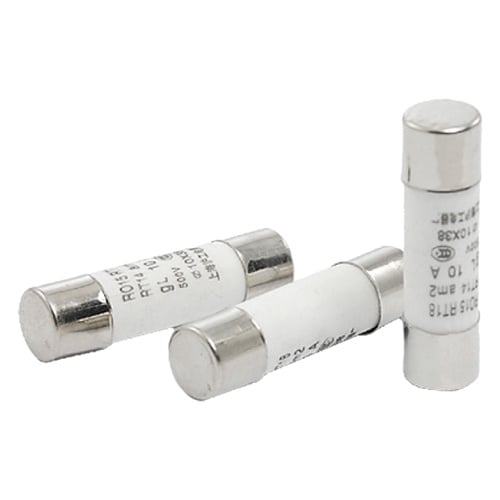
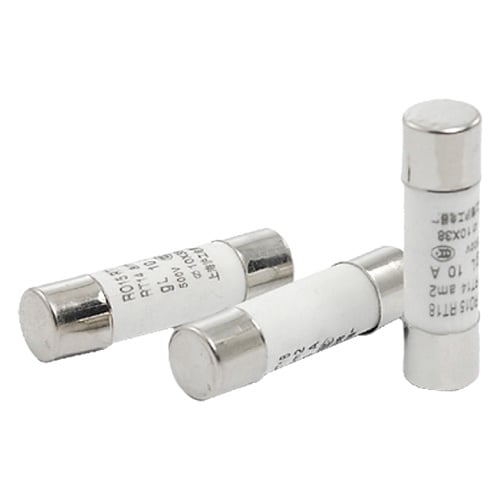
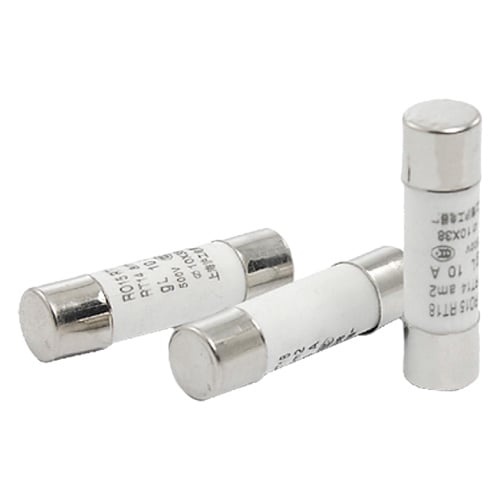
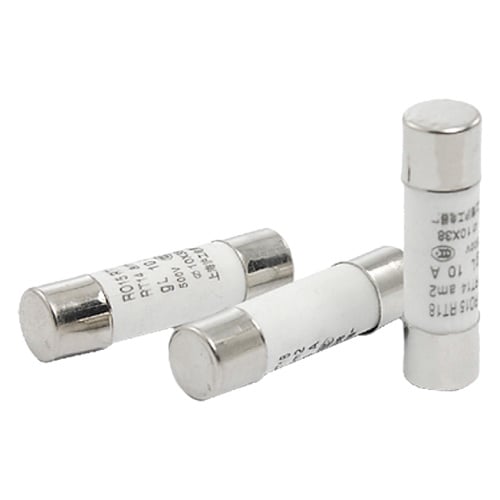
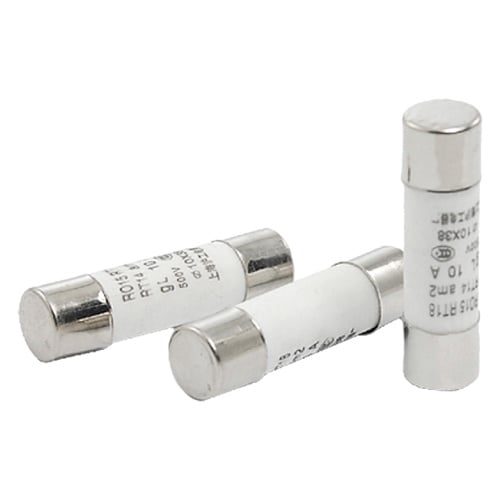
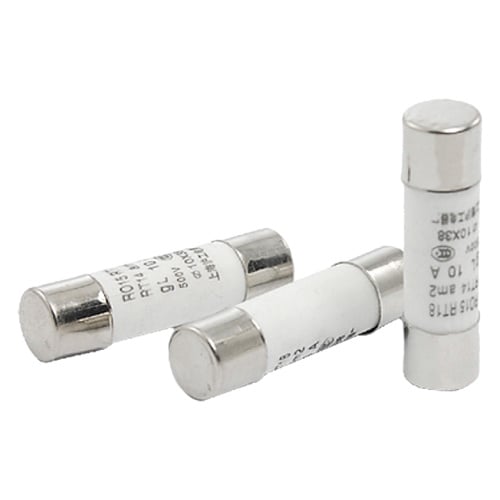
That is why cylindrical photovoltaic cells are marked 1000 VDC and gPV fuses: these are designed to cut off direct current at the voltage of an entire string. Fitting an alternating current fuse on the panel side is one of the most dangerous mistakes seen in domestic installations.
What type of fuse should I use at each point in the installation?
- 10×38 gPV cylinders: Panel string protection. Available in the range from 10 A to 32 A, all rated at 1000 VDC.
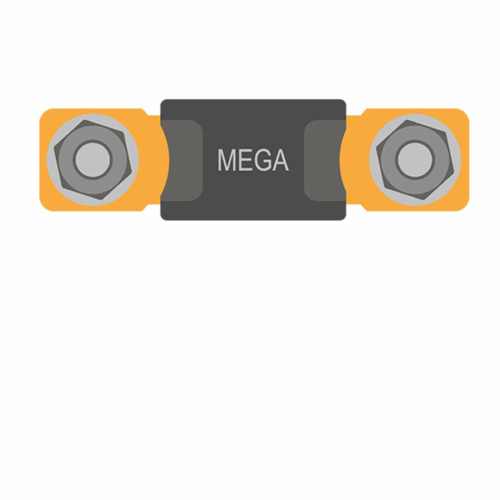
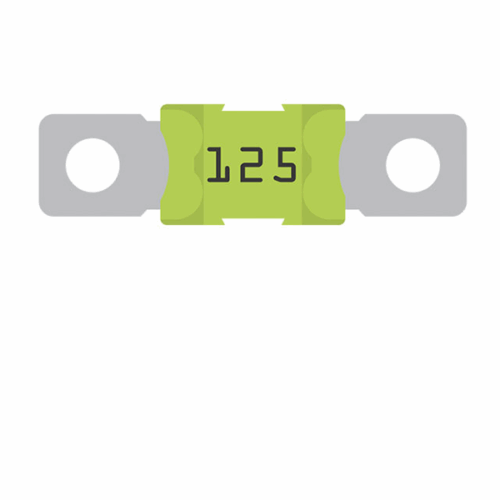
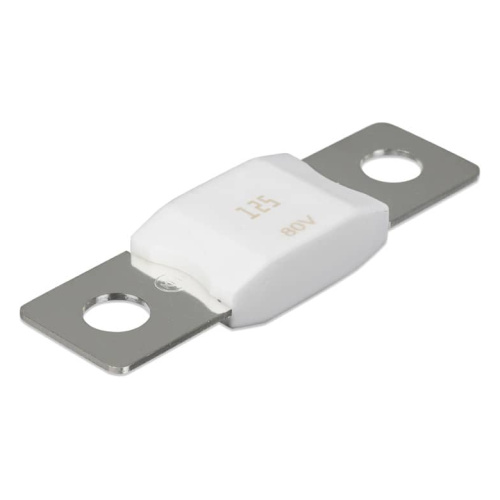
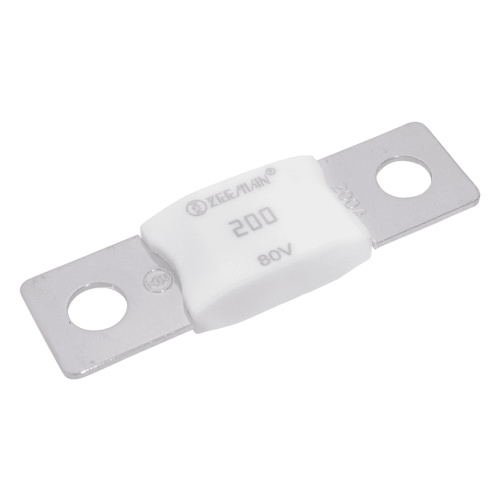
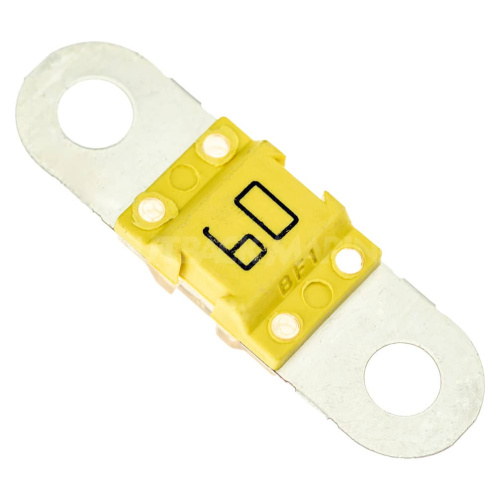
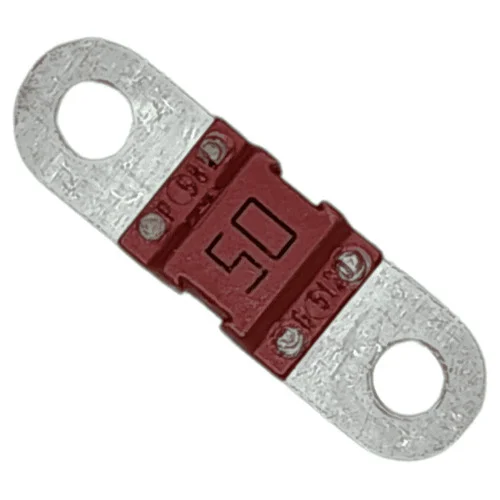
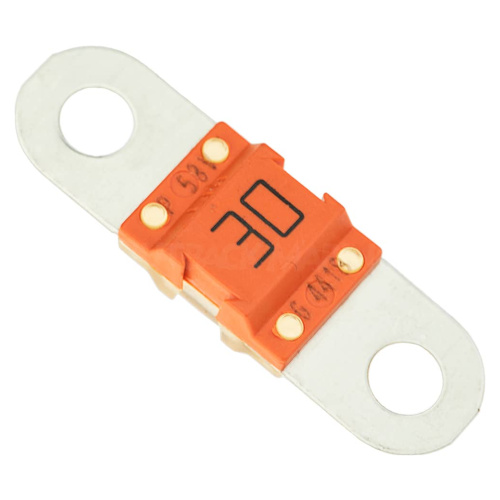
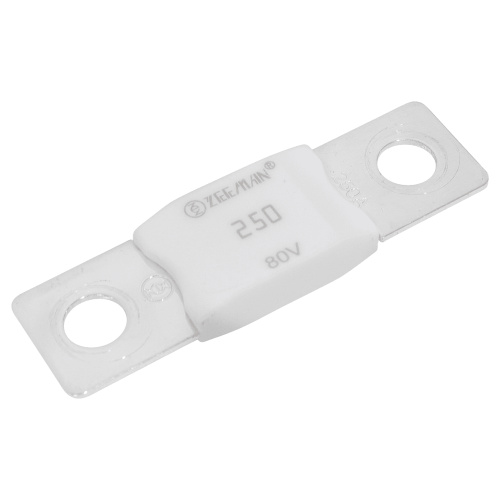
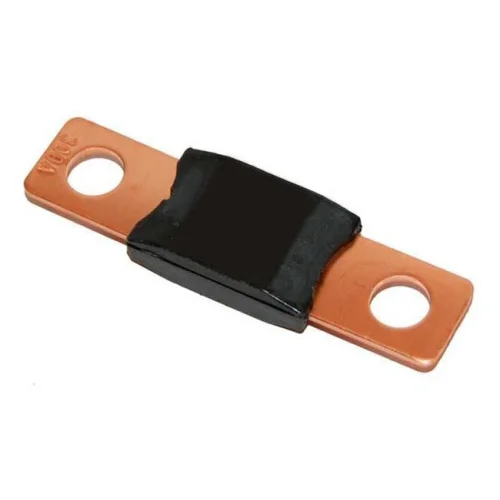
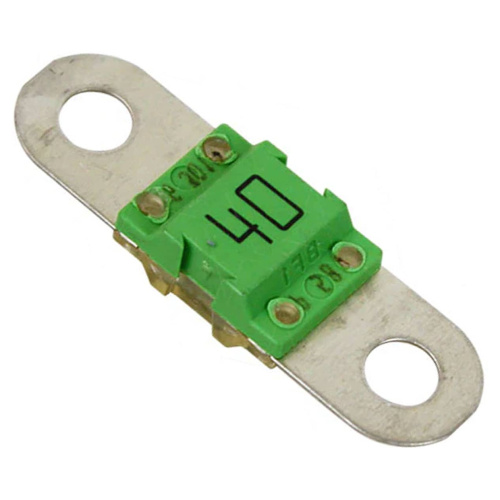
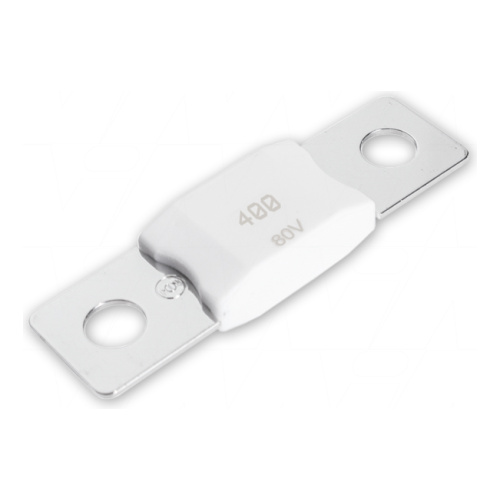
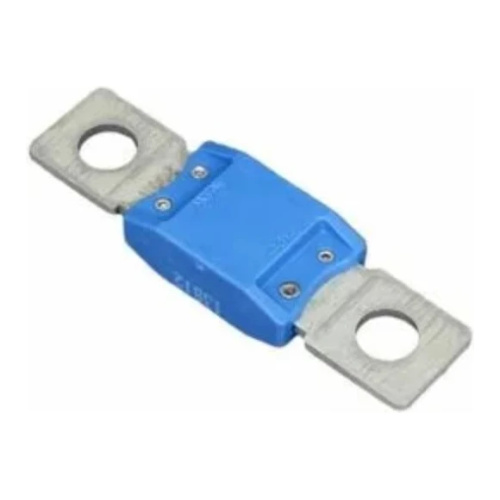
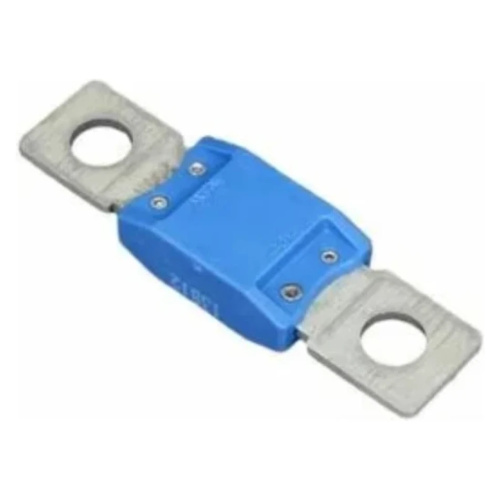
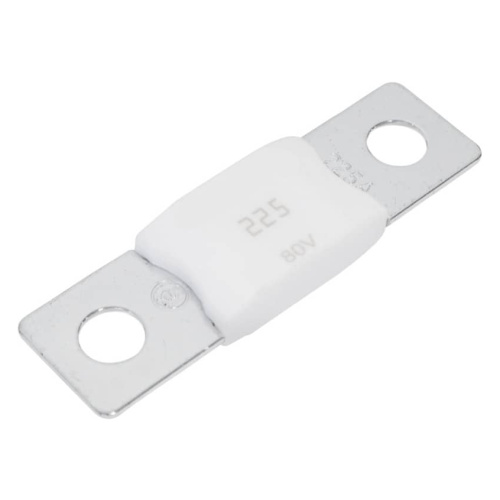
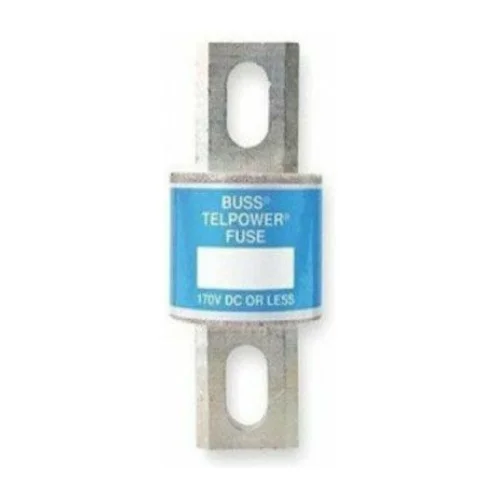
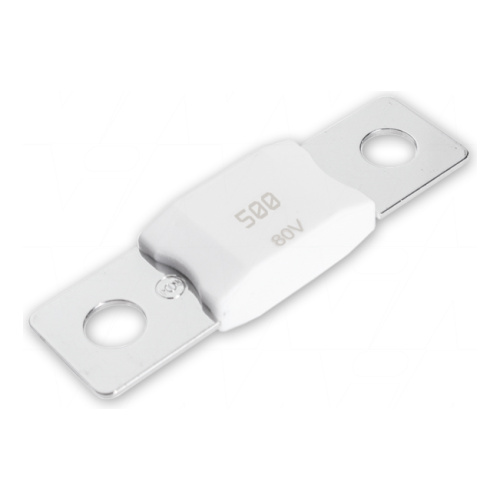
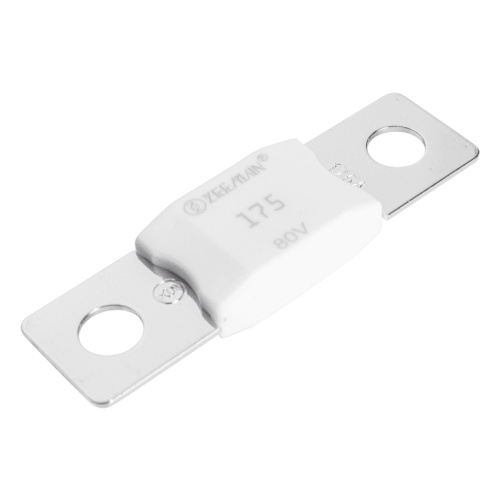
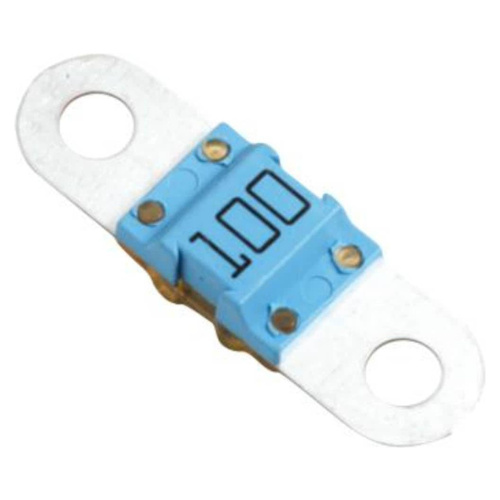
- MEGA and MIDI: Battery protection and protection for high-current power lines at 12, 24 and 48 V. These are fitted next to the positive terminal of the battery bank.
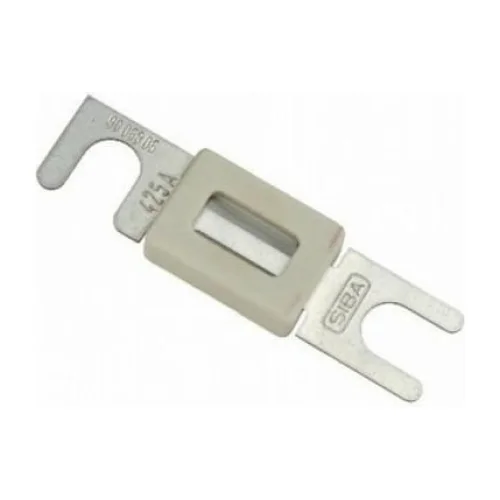
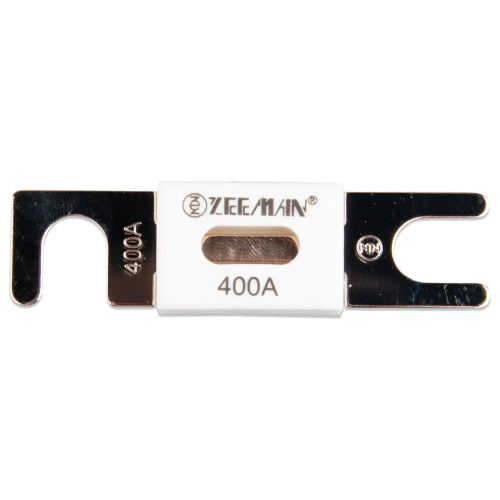
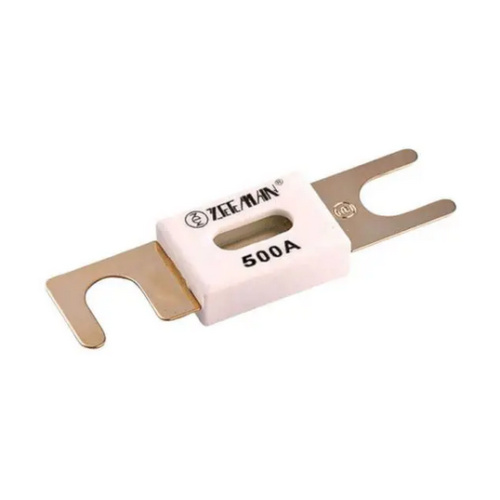
- ANL: High-capacity cutting format for large inverters.
How do I choose the correct fuse rating for a string?
Never based on the panel’s rated current, but rather on the short-circuit current (Isc) applying the safety factor specified in the standard. The fuse must be rated above the corrected Isc and below the maximum permissible current of the cable and the switchboard.
And here’s a rule that’s often forgotten: with one or two strings in parallel, a string fuse isn’t always necessary, as there isn’t enough reverse current to damage the module. From three strings onwards, however, it is necessary, and is mandatory.
Any questions about the calibre? Our technical equipment It calculates it for you. Supplement your cover with circuit breakers in AC circuits.