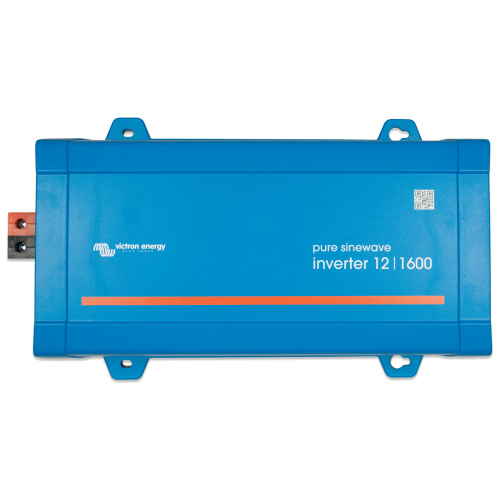
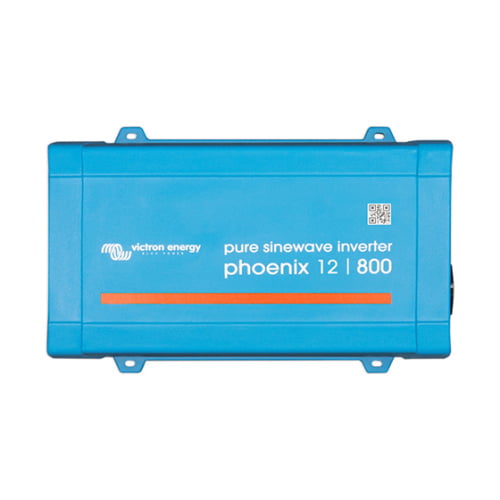
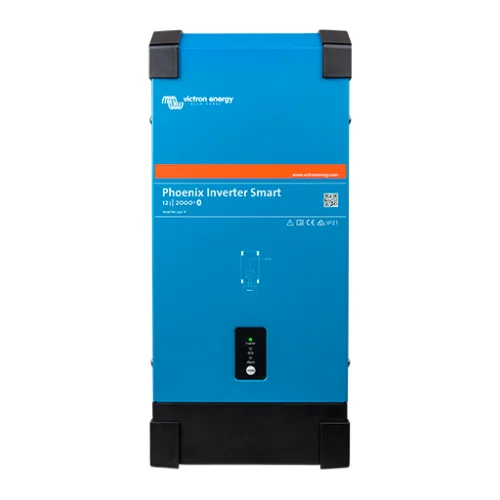
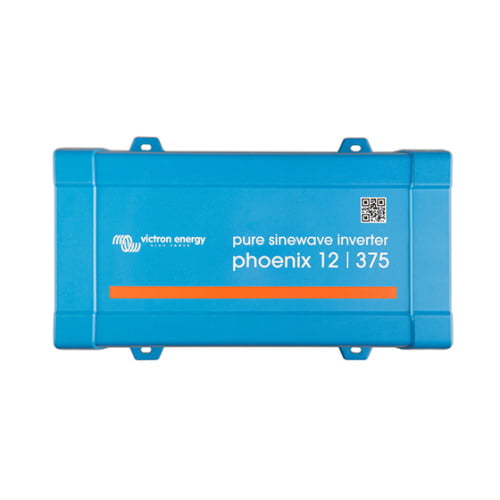
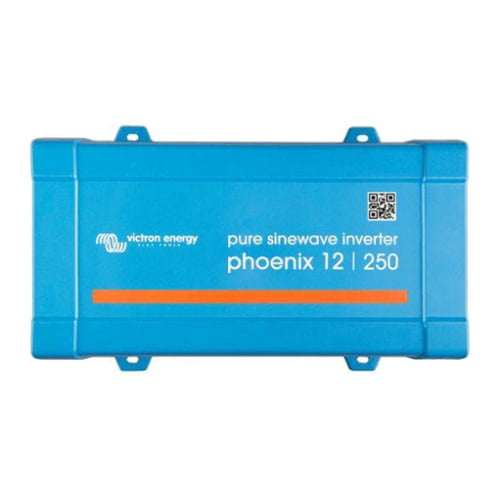
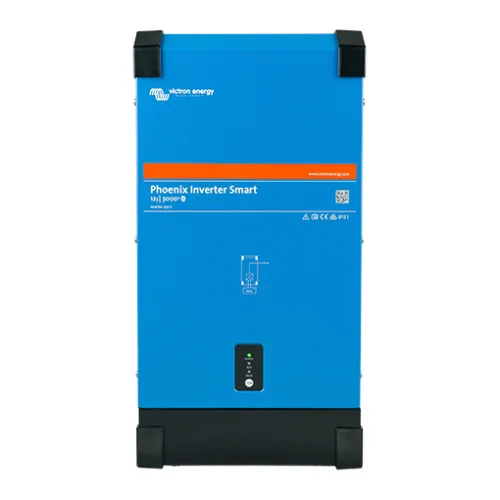
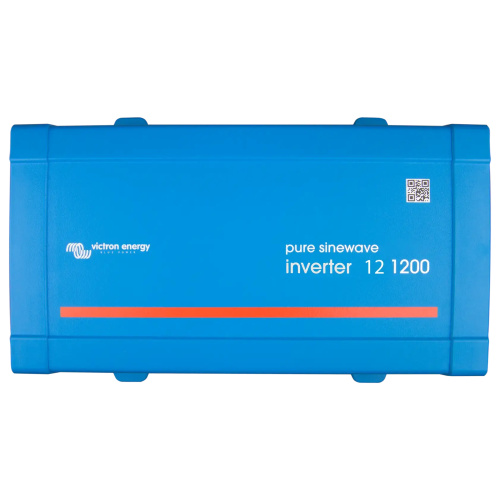
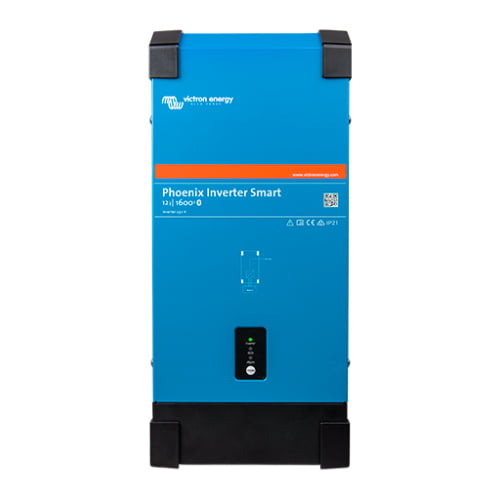
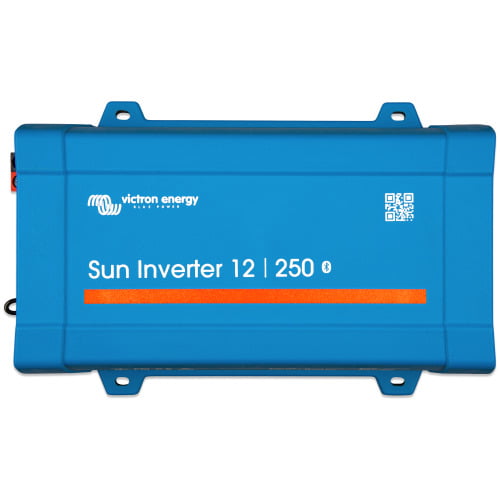
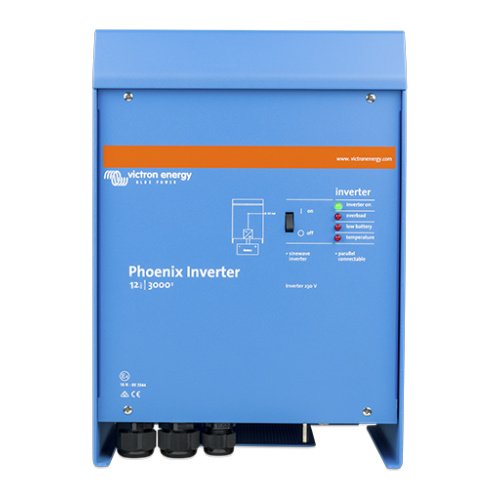
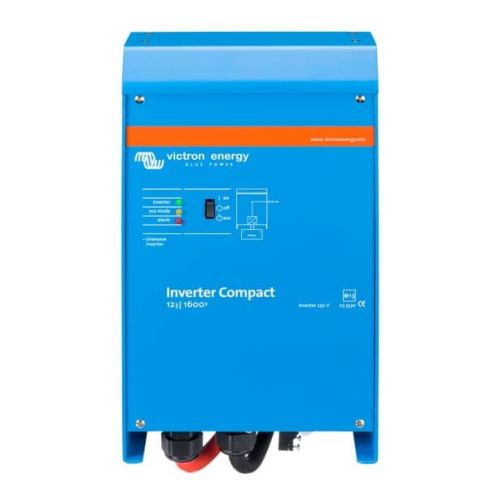
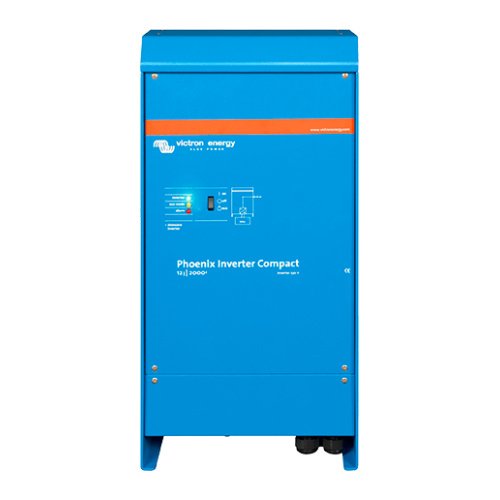
A 12V to 220V inverter —also known as a transformer or power converter— converts the 12 volts from a battery into the 230 V alternating current required by domestic appliances. It is the device that allows you to use a laptop, a coffee machine or a power tool in a van, a boat or an off-grid location.
What power rating do I need for a 12V inverter?
Only take what you can actually use at the same time – not everything you’ve got with you. Real-world examples: 60 W laptop, 1,200 W capsule coffee machine, 1,800 W hairdryer, 800–1,000 W microwave, 600–1,500 W power tool.
Up to 375 W: Charging laptops, cameras, drones and small electrical appliances. This covers 80 % of the actual needs in a campervan.
500 to 1,200 W: Add a coffee machine, a blender or a television. The sweet spot for most vans.
2,000 to 3,000 W: induction, microwave or utensil. At this stage, it is worth considering switching the system to 24V, because at 12 V, a 3,000 W inverter draws more than 250 A from the battery and the cable cross-sections become far too large.
Always check the peak power as well as the rated power: a compressor motor or a pump draws between two and three times its rated power for a split second when starting up.
Pure sine wave versus modified wave
The modified sine wave is cheaper and is suitable for simple resistive loads. The pure sine wave accurately replicates the mains current and is essential for electronics, motors, laptop chargers, medical equipment and any appliance with a compressor.
In practice, the modified sine wave causes problems: transformers that hum, chargers that overheat, televisions that suffer from interference, and household appliances whose lifespan is reduced. All the inverters we supply are pure sine wave.
Inverter or inverter-charger
An inverter simply converts direct current to alternating current. A inverter-charger It adds two functions: it charges the battery when a 220 V mains supply is available, and automatically switches between the mains and the battery without interrupting the power supply.
If your van or your setup is plugged into the mains fairly often — at campsites, in ports or in garages — a charger-inverter saves you having to buy a separate charger and provides automatic backup. If you never plug in, a standard inverter is sufficient.
What needs to be installed alongside it
A 12V inverter operates at high currents: 1,000 W at 12 volts is more than 85 A. This requires a cable with a generous cross-section and a correctly rated fuse as close as possible to the battery. Calculate the cross-section using our cable cross-section table and check the fuses available.
As for the battery, an inverter requires a battery bank capable of delivering that current: the 12V lithium batteries They do so without any problems, whereas a small AGM battery may not provide enough power and cause the inverter to shut down due to low voltage.
We stock the range Victron Phoenix across all power ratings, with Smart versions that can be configured via Bluetooth. If you’re not sure which model is right for your setup, we’ll advise you Before you buy. Dispatched within 24–48 hours.