Can a Pylontech battery be fitted in a campervan or caravan? Why we don’t recommend it
Author: David Conesa Albaladejo
Publication date: 7 October 2026
Last updated: 7 October 2026
Lithium batteries · Motorhomes and caravans
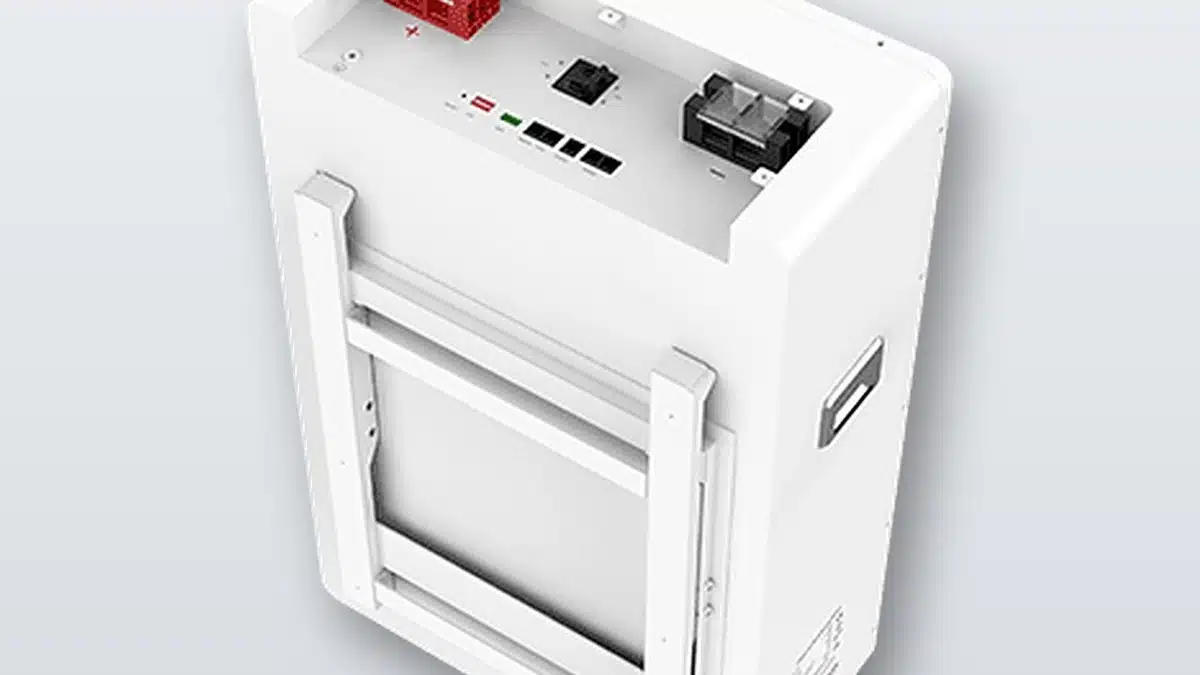
«I’ve got a Pylontech US5000 (or I’ve got it at a really good price) and I want to fit it in my van.» Does it work? Yes. Would we recommend it? No.
Short answer
It is not advisable to install a Pylontech battery from the US series (US2000, US3000 or US5000) in a camper van, motorhome or caravan. It is a stationary battery designed for domestic use: it does not have ECE R10 type-approval for vehicles, it has not been tested for in-service vibration, its warranty requires indoor installation and use as stationary storage, and an unauthorised installation may complicate insurance claims in the event of a fire. For mobile use, better options are the Victron Lithium Smart or NG (with ECE R10) or the Pylontech RT12100 (IP67, SAE J1455).
Key specifications of the Pylontech US5000:
Certifications: IEC 62619, IEC 63056, UN 38.3, UL 1973 and CE. Not ECE R10.
IP20 protection and charging only at temperatures above 0 °C.
LiFePO4 pouch-type (laminated pouch) cells.
Warranty subject to indoor installation and use as a daily-cycle energy storage system.
And it’s not because the Pylontech is a bad battery. For domestic use, it’s one of the best we sell. The problem is that the US series (US2000, US3000 and US5000) is designed to be mounted in a rack, indoors, whereas a campervan or caravan is exactly the opposite. Here are the four reasons:
01
Certificates
It does not have R10 certification or vibration testing for vehicles.
02
Vibration
It is designed for a stationary rack, not for years on the road.
03
Guarantee
Must be installed indoors and used in a stationary position.
04
Insurance
If it isn’t declared, your compensation may be reduced.
What certificates does a battery need to be fitted in a campervan?
For a domestic application, the US5000’s specifications are very comprehensive. The problem is that its certifications are designed for stationary storage, and in a vehicle two other factors come into play: electromagnetic compatibility and vibration resistance.
Pylontech US5000 (stationary)
IEC 62619 and IEC 63056: safety in industrial applications and stationary storage.
UN 38.3: which means it can be sent by plane, ship or lorry. Its vibration test lasts a few hours and is designed to simulate the journey to the customer.
UL 1973 and CE.
IP20: It is not splash-proof.
It does not support charging at temperatures below 0 °C.
What to look for in a vehicle
ECE R10 (marked E): electromagnetic compatibility with the vehicle.
In-service vibration and shock tests, in accordance with automotive standards such as SAE J1455 or ISO 16750-3.
Protection against moisture and splashes, depending on the location where it is fitted.
A warranty that covers mobile use.
What is R10 (marked E) and when is it compulsory?
UN Regulation No. 10 deals with electromagnetic compatibility. It ensures that a device does not cause interference with the radio, control units or driver assistance systems, and that it can withstand power surges in the vehicle’s electrical system when the engine is started or a load is disconnected. A lithium battery contains a BMS, which is an electronic component, so it is affected by this.
From 1 November 2022 (7th revision of the Reforms Manual), the 12 V and 230 V electrical installations in a campervan must be type-approved by means of an electrical certificate. Equipment that operates on the vehicle’s electrical system, such as a booster or charge relay, must carry the 10R mark. And if everything is type-approved via the R10 procedure, the battery must also carry this mark. The Pylontech US models do not have this. The Victron Lithium Smart and NG models do (ECE R10 rev. 6).
What is required of each unit in a typical auxiliary installation?.
View the diagram in text form
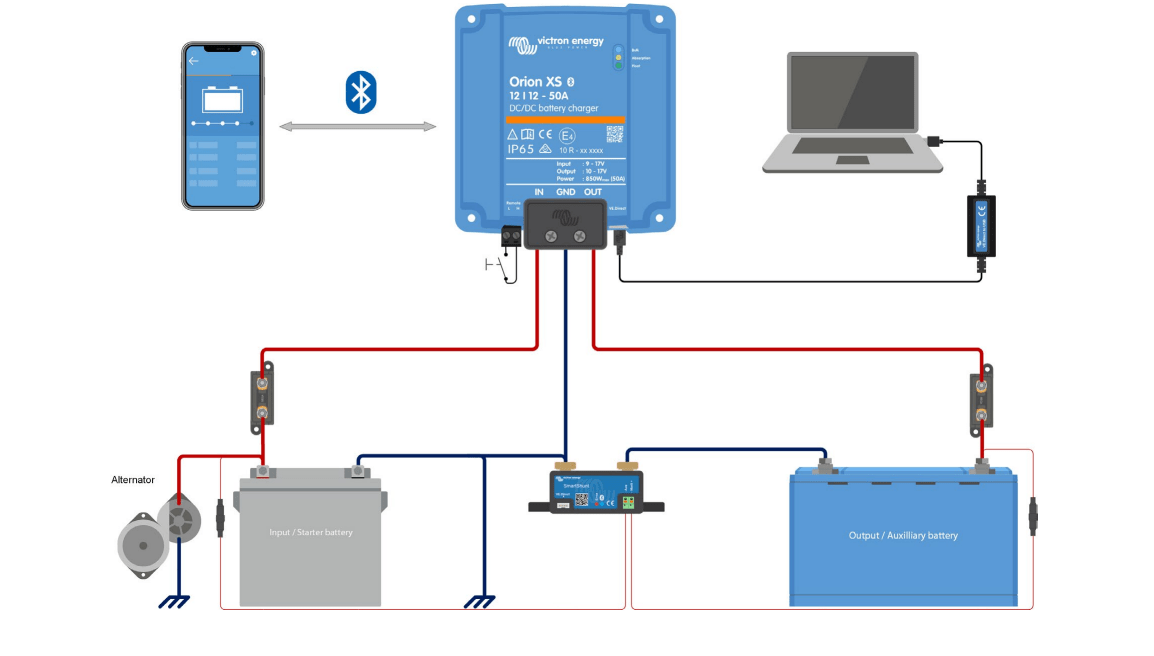
DC-DC booster or charge relay (connected to the alternator): must be marked 10R.
Auxiliary battery: CE marking at all times; 10R if the installation is approved under the «all R10» procedure.
Solar panels and MPPT controller: CE marking.
12 V loads and 230 V inverter: CE marking.
Fuse next to the positive terminal of the battery.
From 1 November 2022, 12 V and 230 V installations must be certified by means of an electrical certificate (7th revision of the Renovation Manual).
Advice before buying
If a battery claims to have an E-mark, ask to see the type-approval certificate bearing its number. A sticker or a test report is not the same thing.
To be fair
The R10 marking on the battery is not always compulsory. If the auxiliary system is completely separate from the vehicle (with no booster or charging from the alternator), or if only the booster bears the R10 marking, some type-approval bodies will accept a battery with CE marking. However, type-approval is only one of the issues.
What is SAE J1455 and why is it important in a battery?
There is no mandatory vibration test for auxiliary batteries. Manufacturers who specialise in vehicles validate their products against automotive standards, such as SAE J1455 (heavy-duty vehicle electronics: vibration, shock, temperature, humidity, dust, water) or ISO 16750-3. These are not type-approvals, but they say a great deal about what a product is designed for.
The clearest example is provided by Pylontech itself. Its RT12100, a 12 V, IP67-rated battery designed for boats and motorhomes, is certified to SAE J1455. The US series is not. The manufacturer is very clear about which batteries are intended for use whilst on the move and which are not.
Pylontech US versus a battery designed for mobile use.
View the comparison in text form
Intended use: Pylontech US, indoor fixed-rack unit. Battery for vehicles, motorhomes, campervans or boats.
ECE R10 (electromagnetic compatibility in vehicles): Pylontech US, no. Vehicle battery, yes (e.g. Victron Lithium Smart and NG).
In-service vibration tests: Pylontech US, UN 38.3 only (transport). Vehicle battery, automotive standards such as SAE J1455.
IP protection: Pylontech US, IP20. Vehicle battery, IP22 to IP67 depending on the model.
Design: Pylontech US, designed to stay still. Vehicle battery, designed to move.
Type-approval of the camper van: Pylontech US limits the possible paths. A battery with R10 leaves all paths open.
How does vibration affect a lithium battery?
A house doesn’t move. A van shakes over every pothole, every speed bump and every dirt track on the way to that cove you’ve been recommended. This is what studies have found when lithium batteries are subjected to vibration:
Greater internal resistance
The internal resistance of the cells increases and, as a result, capacity is lost.
Damaged internal connections
Welds, tabs and joints are subject to fatigue. During long-term testing, damaged insulators and internal short circuits occur.
Terminals that come loose
The most mundane reason: a faulty contact generates heat, and a loose connection is a common cause of arcing and fires.
In a vehicle, the battery is secured in place, with a fuse next to the positive terminal and connections designed to withstand vibration.
Are pouch cells more delicate in a vehicle?
Internally, the Pylontech US models feature pouch-type cells in a laminated pouch. The US2000, for example, incorporates 10 x 25 Ah cells in a 2P5S configuration. Unlike a cylindrical or prismatic cell, the pouch cell has no rigid casing: it relies on the module to hold it in place and compress it; its tabs are made of thin foil and, with use, it can swell.
The three cell formats and how they behave when subjected to vibration.
View the three cell formats in text
Cylindrical cell: rigid metal casing. A pack requires many cells and a lot of soldering.
Prismatic cell: A rigid aluminium casing and sturdy screw-type terminals.
Pouch cell (the type used by the US Pylontech): A laminated bag without a rigid shell, with thin-film flaps; it may bulge with use, depending on the support and compression provided by the module.
So is the pouch cell a bad thing?
No. There are laboratory tests in which it withstands vibration better than some cylindrical models, provided the module is designed for that purpose. The key lies in the overall assembly, and a module designed to remain stationary in a rack has not been validated for years of road use.
Does the Pylontech warranty cover use in a campervan or caravan?
We have read the warranty terms published by Pylontech for the US series (2023 and 2024 models). This warranty only applies if the battery is installed indoors and used on a daily cycle as an energy storage system. It excludes damage caused during transport, use outside the temperature ranges specified in the manual, and removal for installation elsewhere without written permission from Pylontech.
What the warranty covers and what happens in a campervan.
View the warranty terms and conditions in text form
Installed indoors. In a campervan, it is inside a moving vehicle and is subject to changes in temperature and humidity.
Used solely as an energy storage system, on a daily cycle. In a campervan, usage is mobile, with irregular loads and periods of inactivity.
No damage caused by transport, knocks or deformation. In a campervan, every journey involves vibrations and jolts.
Do not dismantle or reinstall elsewhere without the written permission of Pylontech. If you change your van, the battery comes with you.
Within the temperature range specified in the manual (loading from 0 °C). In winter, the temperature inside the car easily drops below 0 °C.
In practice
Fitting all that into a campervan is tricky. If the battery fails, the claim will usually be rejected.
What happens with the insurance if the campervan’s battery catches fire?
This information is for guidance only and does not constitute legal advice. Always check your policy.
Damage to third parties
Other cars, the garage, the building. These are covered by compulsory insurance: the Court of Justice of the European Union (Case C-100/18) ruled that a fire in a vehicle parked in a garage constituted a ‘traffic incident’.
Damage to your van
It depends on your policy and what you have declared. If the conversion to a campervan or the installation of lithium batteries was not declared, the insurer may reduce the compensation or refuse to pay if there was bad faith or gross negligence (Insurance Contracts Act, Articles 10 to 12).
In practice, many policies only cover the value of the standard van, whilst the bed, fittings, panels and batteries are excluded. Add to that the fact that an unauthorised modification will result in a failed MOT and that, after paying out, the insurer may take action against the manufacturer or the fitter. The loss adjuster will assess whether the equipment was suitable for that purpose.
Who pays depends on the type of damage and what you have declared.
Conclusion
The Pylontech US is a good battery for a home, but not for a campervan or caravan: it is not certified or approved for use in a vehicle, its warranty does not cover such use, and it may cause problems with your insurance. For mobile use, choose a battery that complies with ECE R10 and has undergone vibration testing, ensure it is securely mounted and fitted with a fuse, and have the installation approved.
The alternative
What sort of battery should you fit in a campervan or caravan?
One designed for movement. For example:
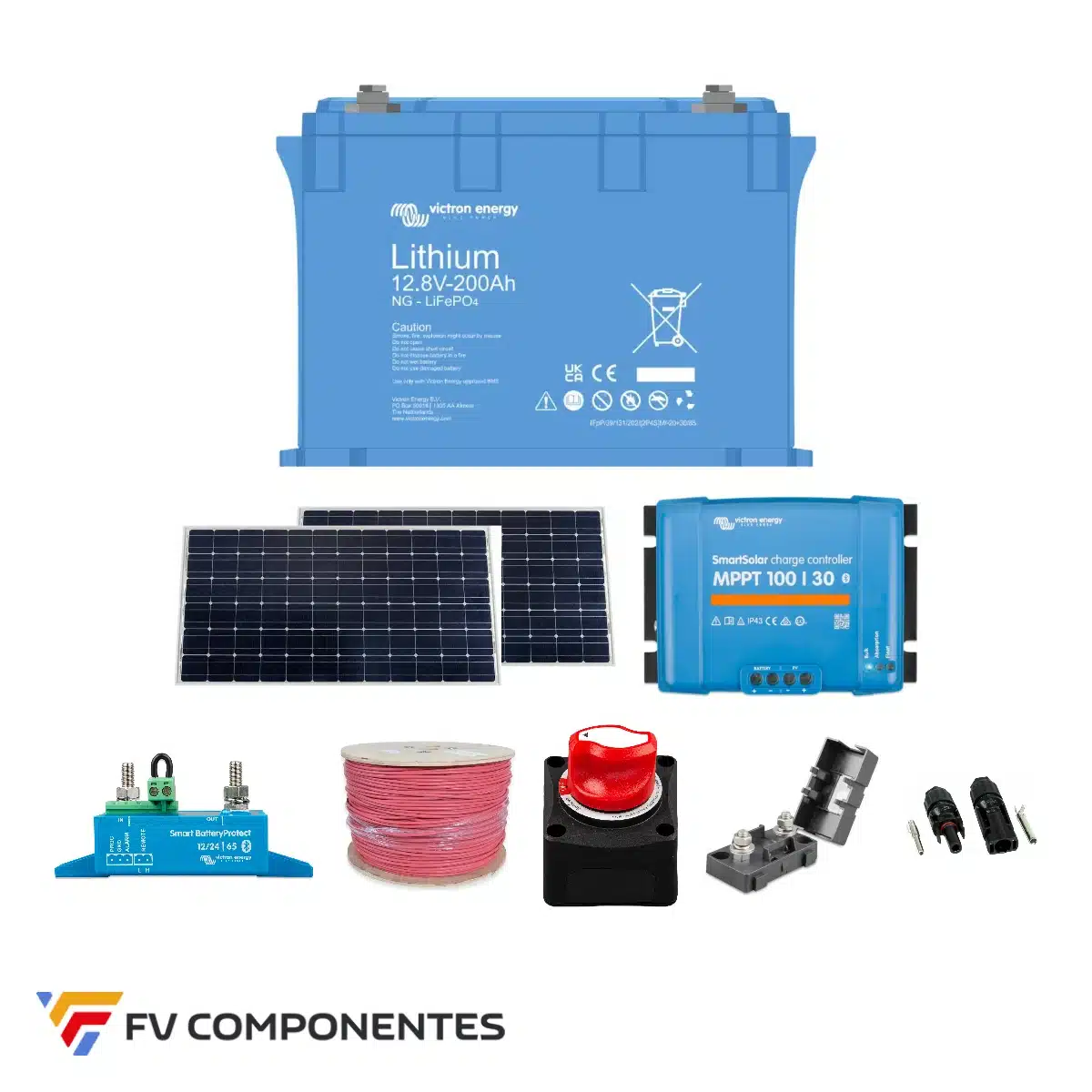
Victron Lithium Smart and Lithium NG
12.8 and 25.6 V. ECE R10, IEC 62619 and external BMS. Designed for motorhomes and boats.
Pylontech RT12100
12 V, IP67 and SAE J1455. The Pylontech battery for mobile use.
And the installation, done properly: a lithium-compatible DC-DC booster, a fuse next to the positive terminal, the battery securely fastened, and the documentation ready for approval. If you’re fitting out your campervan and have any queries, drop us a line and we’ll have a look.
It works, all right. But it doesn’t have R10, it hasn’t been tested for vibration during operation, and its warranty stipulates that it must be installed indoors and used in a stationary manner.
What certificate is required for a lithium battery in order to have a campervan type-approved?
Always CE. The 10R is required for equipment that works with the vehicle’s electrical system, such as boosters and relays, and for all equipment if the installation is type-approved via the R10 procedure. A battery with R10 keeps all your options open. Check with your type-approval body.
What is SAE J1455?
A SAE International best practice for designing and testing heavy-duty vehicle electronics against vibration, shock, temperature, humidity, water, dust, salt and electrical disturbances. It is not a type-approval, but indicates that the manufacturer has validated the product for fitting to a vehicle.
Are pouch cells worse for a van?
Not on their own. It depends very much on how the module secures and compresses them, and a stationary module is not designed for continuous vibration.
Does my insurance cover a fire caused by a lithium battery in my campervan?
Damage to third parties, yes. Damage to your vehicle depends on your policy and whether you have declared the camper conversion. If you haven’t declared it, your compensation may be reduced or refused.
Do you have an Android tablet or mobile phone gathering dust in a drawer? With the Victron Energy Android GX WiFi Display app, you can turn it into a fixed wireless display for your Cerbo GX, Ekrano GX or any device with GX built-in. Victron has just released version 1.2, which makes the connection more stable, so
A step-by-step guide to powering CCTV cameras using solar energy on farms, construction sites or industrial premises without mains electricity: power consumption, batteries, solar panels, 4G and common pitfalls to avoid.
Firmware v1.15 for the Victron in the Orion XS range adds emergency reverse charging: the DC-DC charger recharges the starter battery from the auxiliary battery. Compatible models, how to activate it, limits and how to update.
How to install and commission the BSLBATT B-LFP48-300PW 16 kWh wall-mounted battery: location, mounting, power and CAN/RS485 communication cabling, parallel connection, commissioning, alarms and maintenance.
We use our own and third-party cookies to obtain statistical data on our users' browsing habits, offer personalised marketing and improve our services.
Functional
Always active
The storage or technical access is strictly necessary for the legitimate purpose of enabling the use of a specific service explicitly requested by the subscriber or user, or for the sole purpose of carrying out the transmission of a communication over an electronic communications network.
Preferences
The technical storage or access is necessary for the legitimate purpose of storing unsolicited preferences of the subscriber or user.
Statistics
Technical storage or access that is used exclusively for statistical purposes.Technical storage or access that is used exclusively for anonymous statistical purposes. Without a request, voluntary compliance by your Internet Service Provider, or additional records from a third party, information stored or retrieved solely for this purpose cannot be used to identify you.
Marketing
Technical storage or access is necessary to create user profiles to send advertising, or to track the user across a website or across multiple websites for similar marketing purposes.