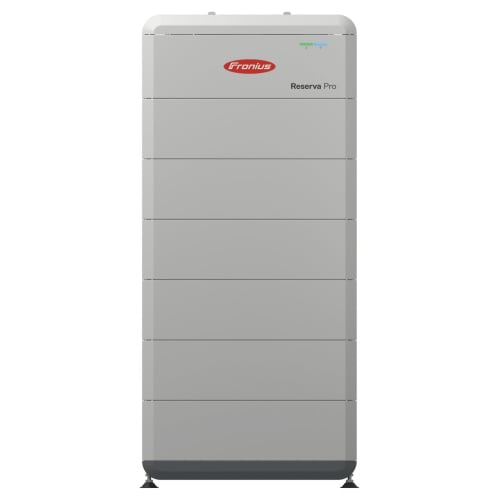
Solar batteries are the component that determines the actual autonomy of any photovoltaic system: they store the energy generated by the panels so it can be used when there is no sun, at night, on cloudy days or during a power cut. Choosing the right battery for solar panels is just as crucial as choosing the panels themselves, and this is where the most money is wasted when buying without proper research.
Which battery to choose for solar panels
We work with the four technologies that are currently the most suitable for self-consumption or off-grid installations. The difference between them lies not only in the purchase price, but also in the cost per cycle over their useful life.
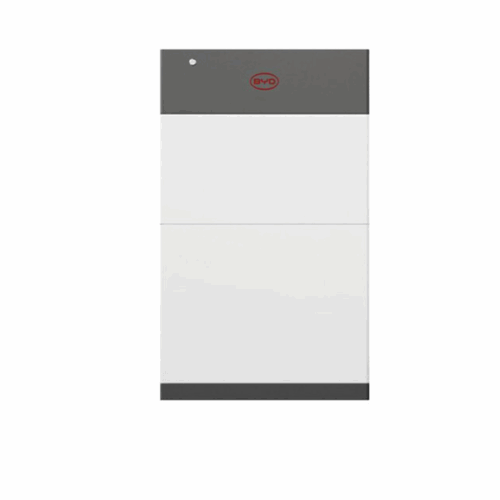
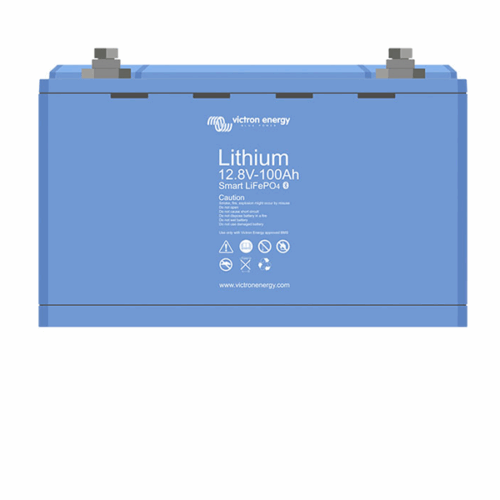
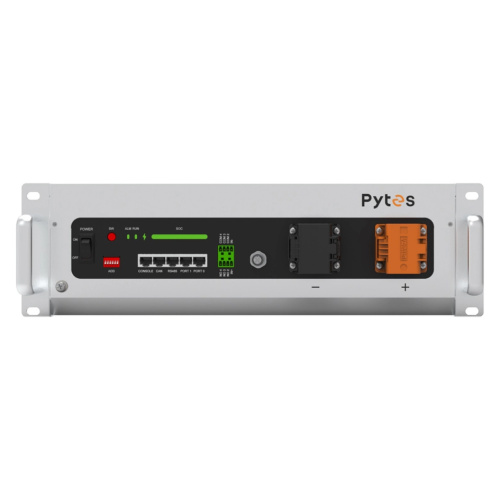
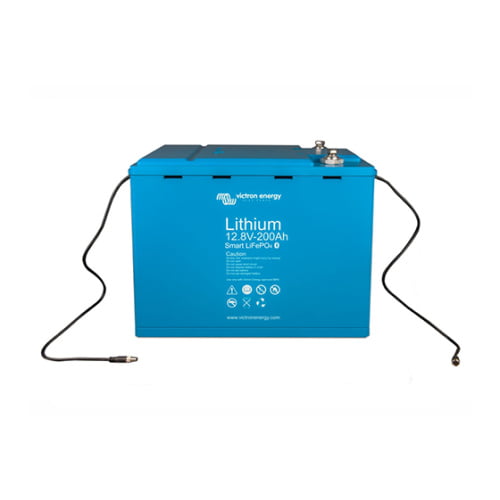
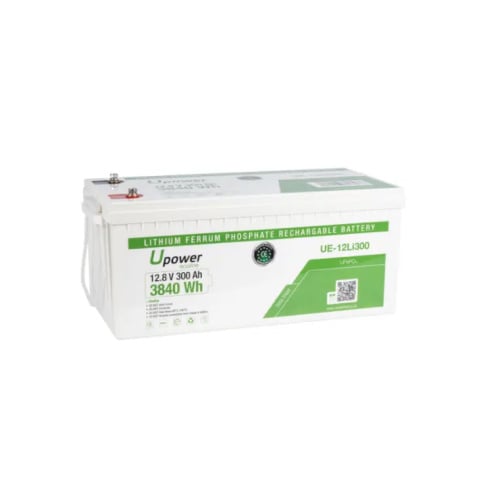
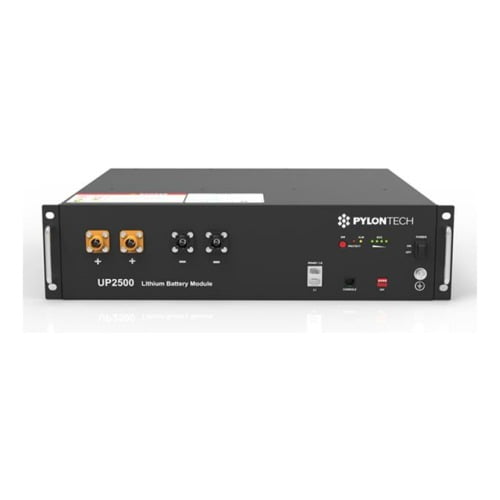
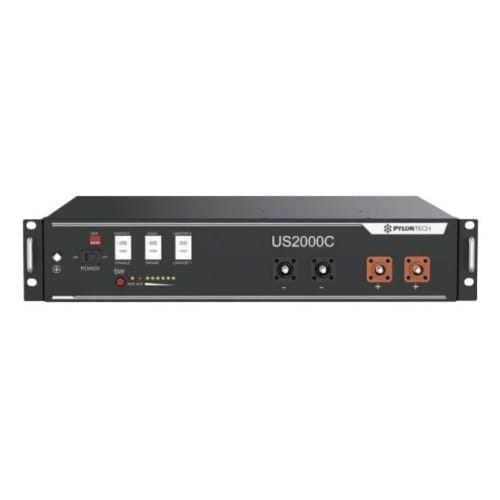
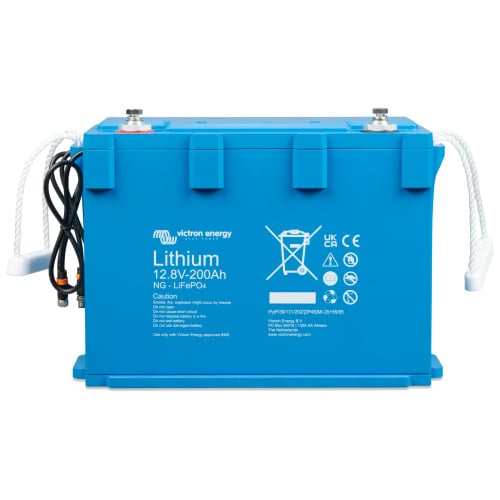
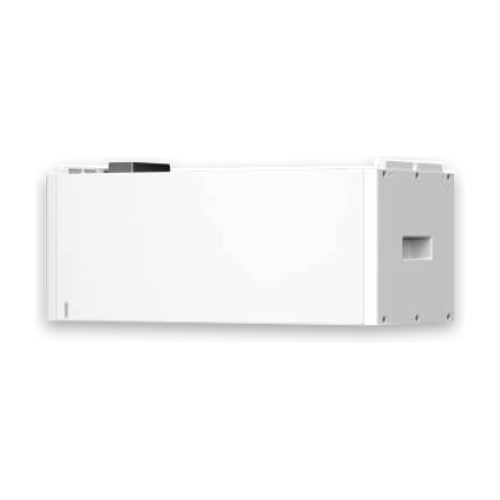
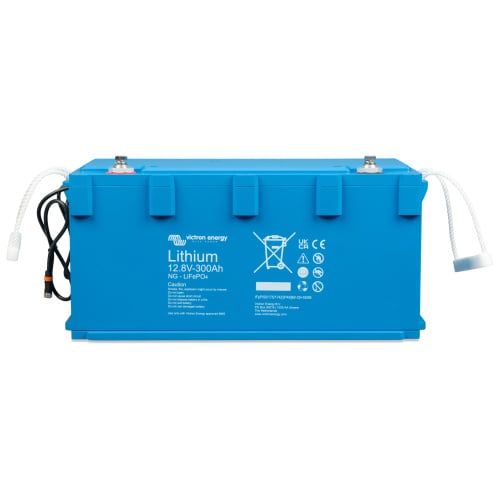
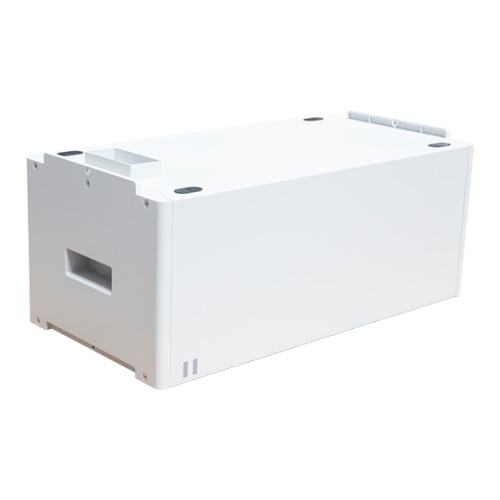
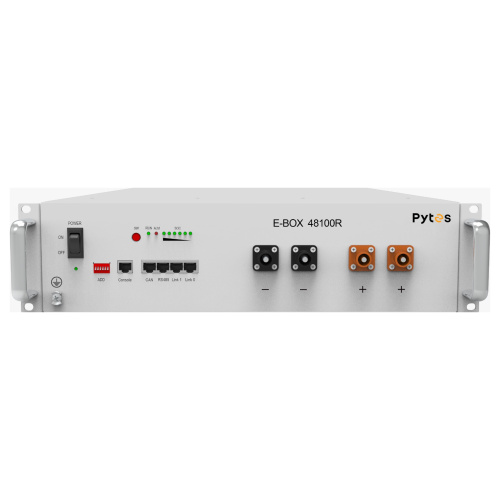
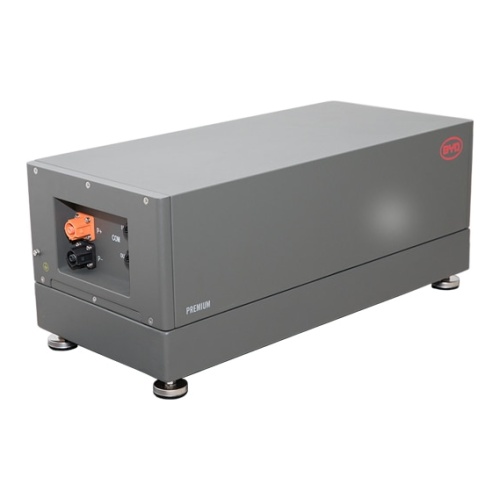
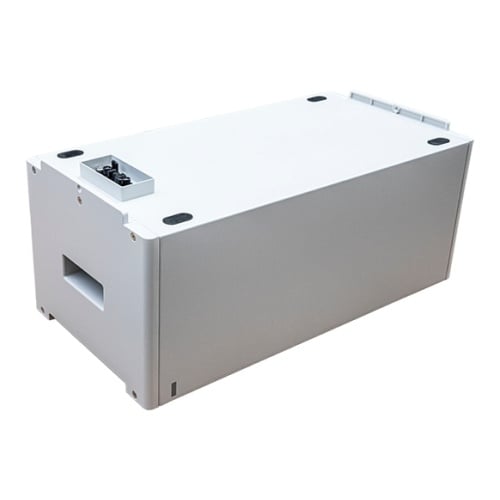
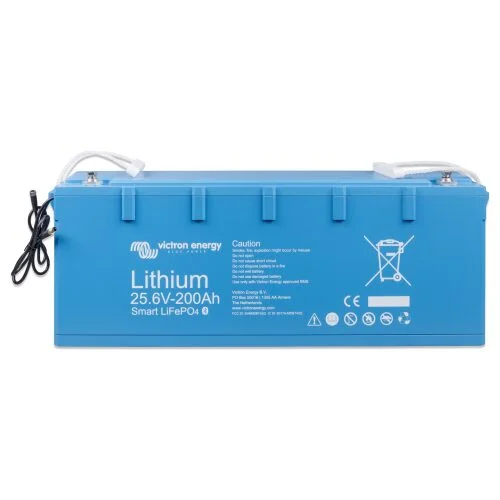
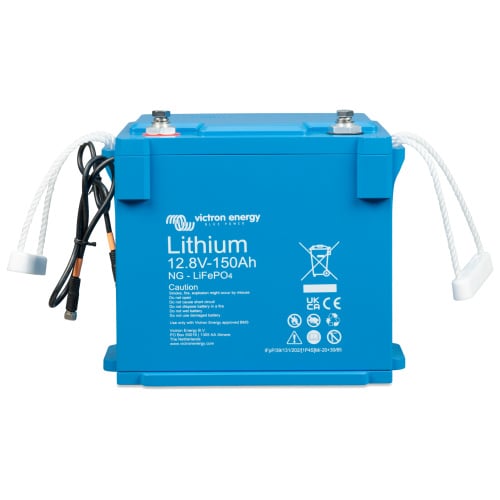
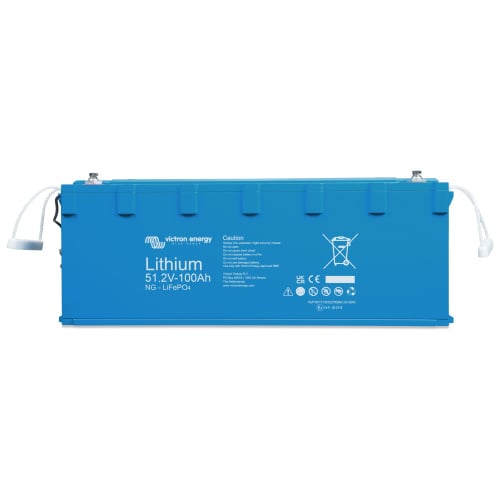
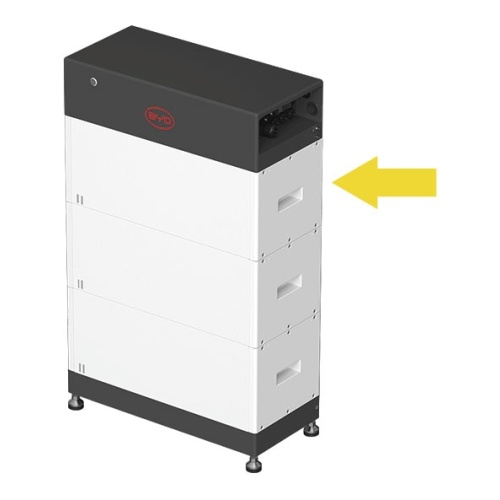
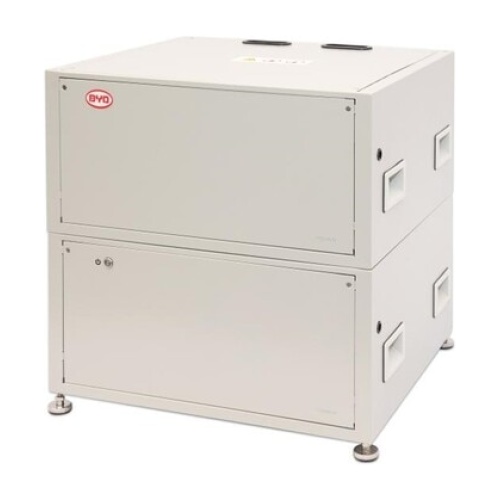
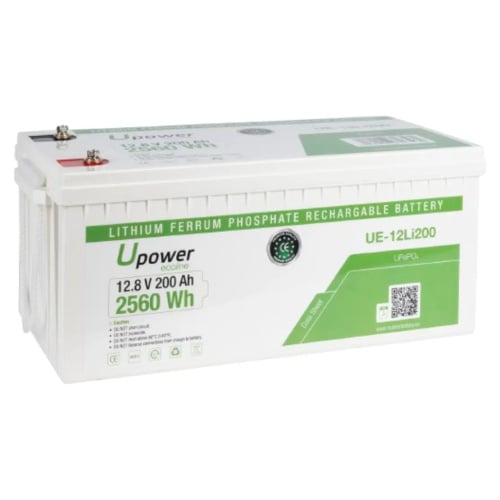
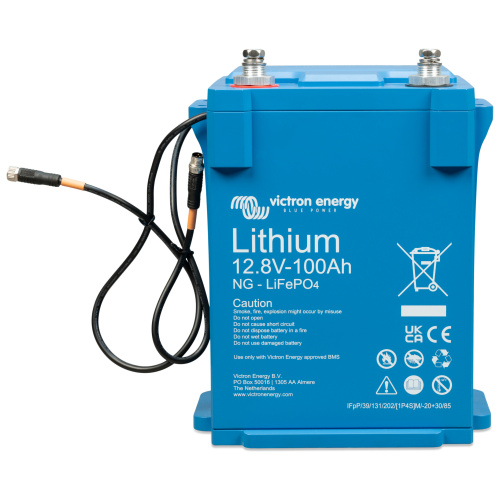
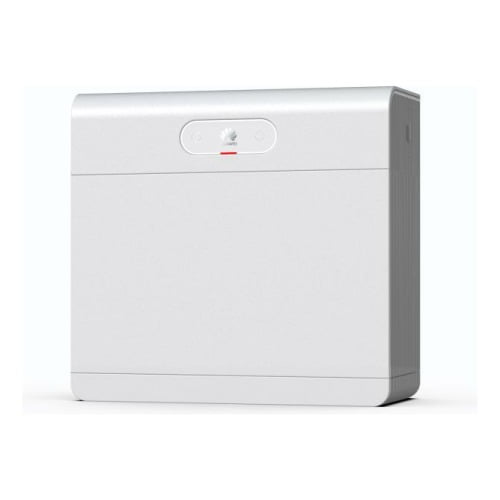
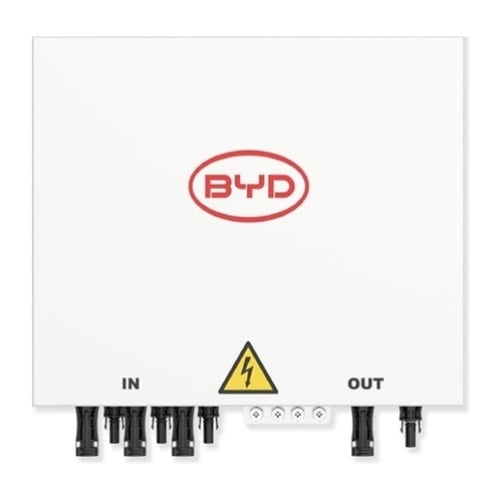
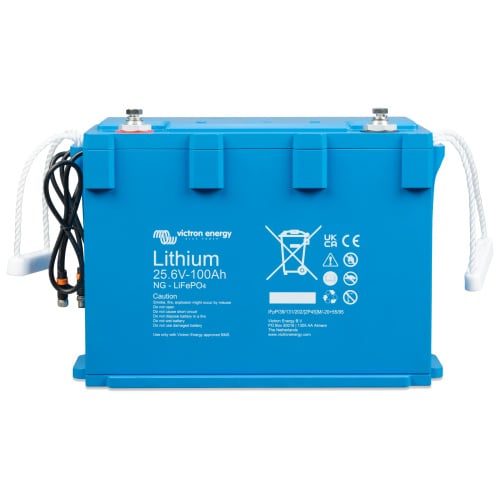
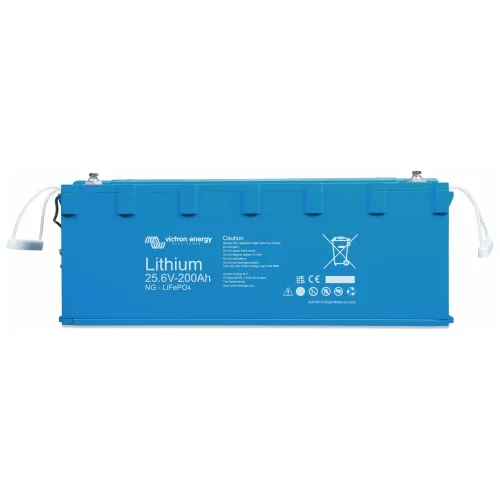
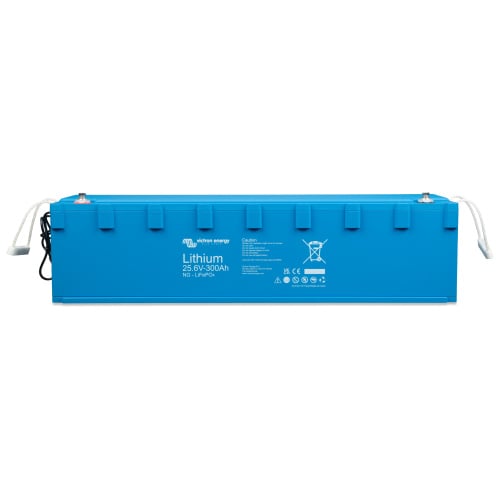
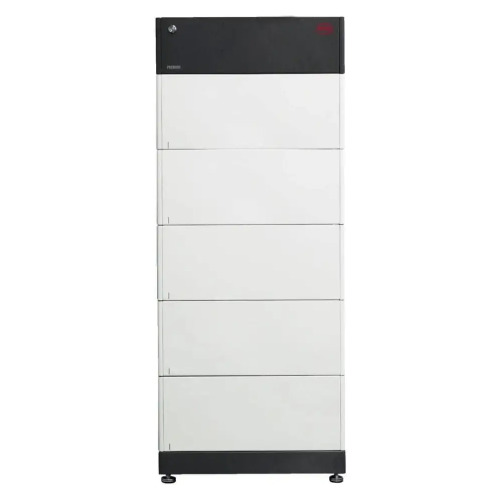
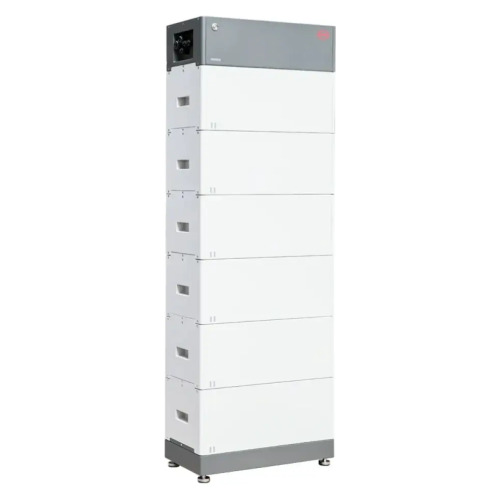
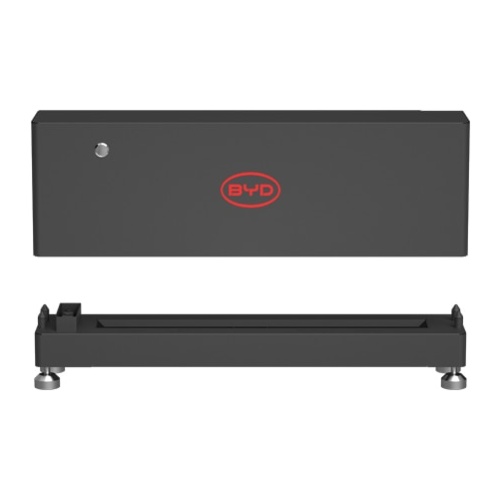
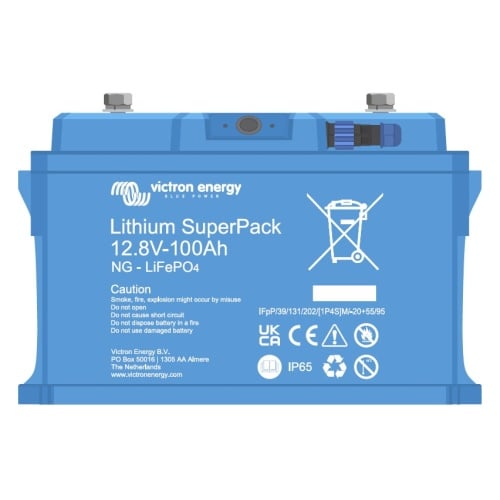
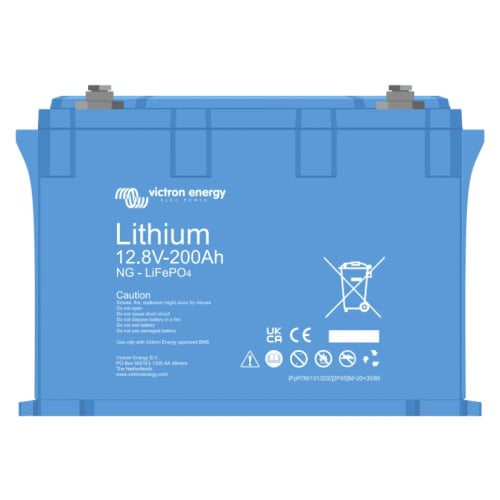
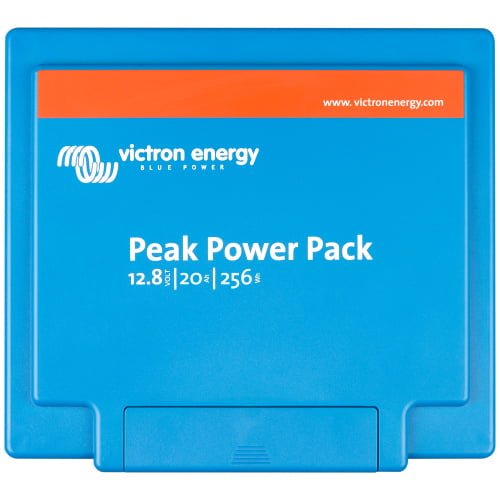
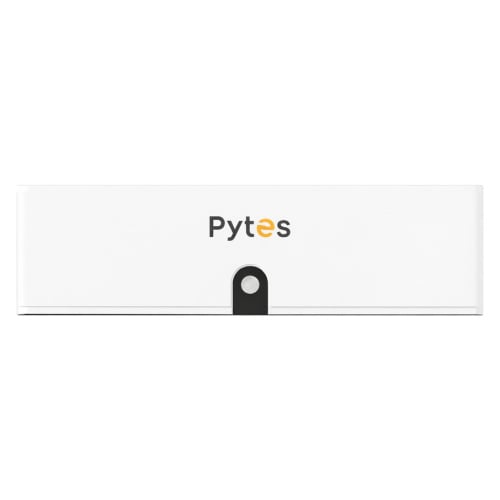
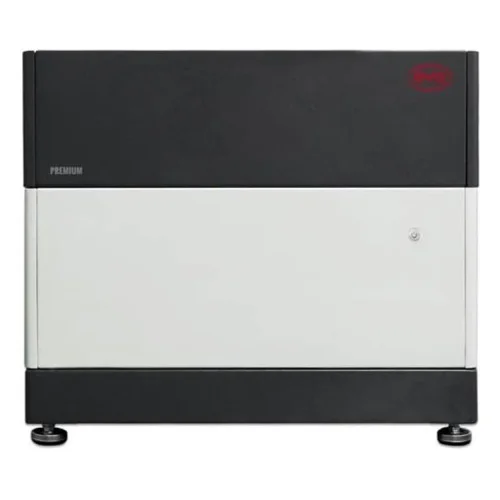
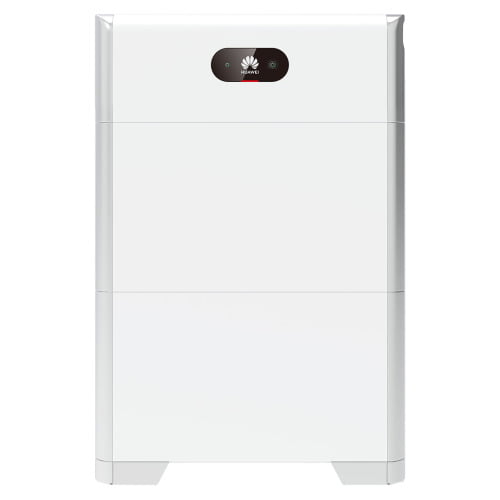
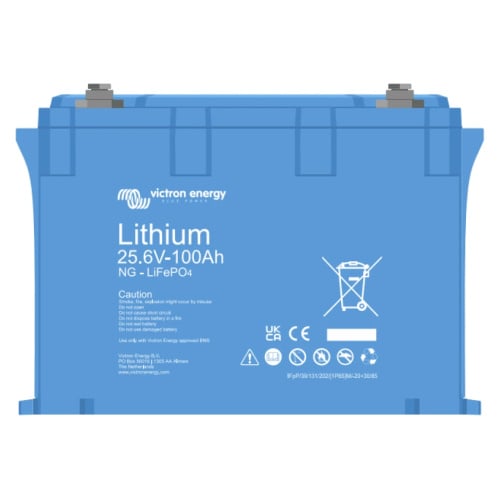
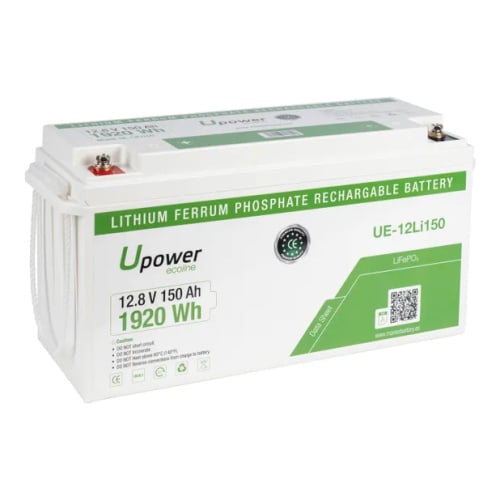
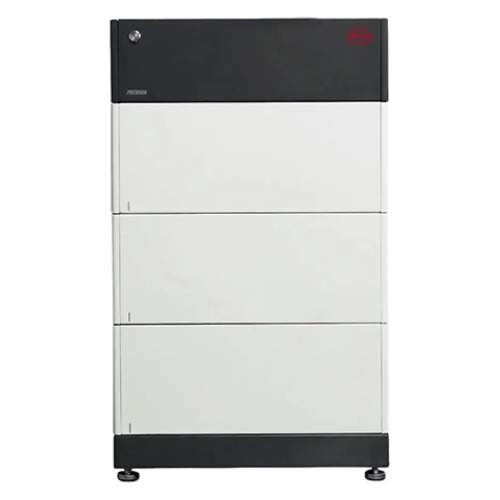
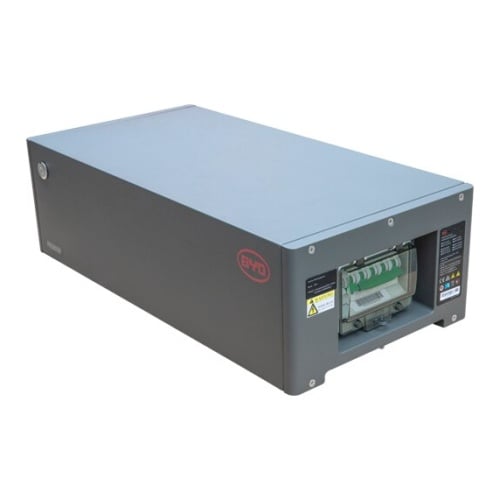
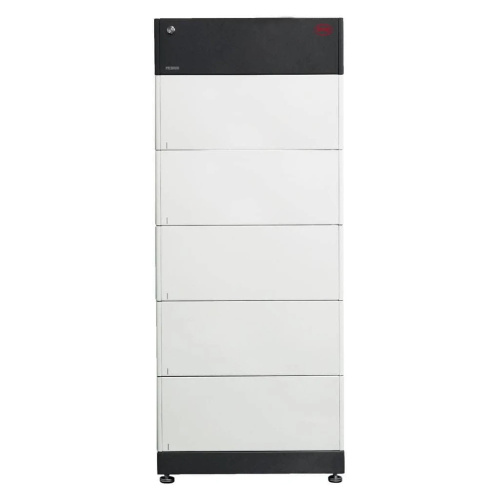
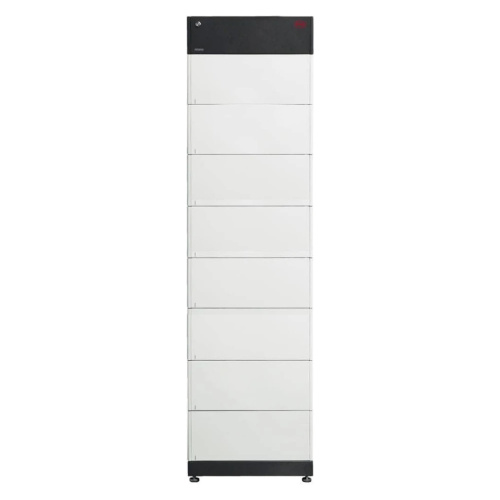
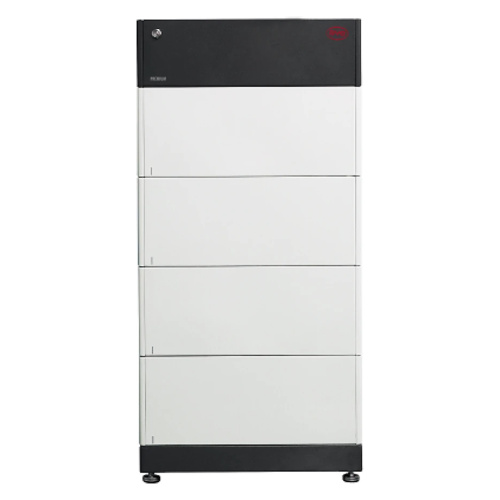
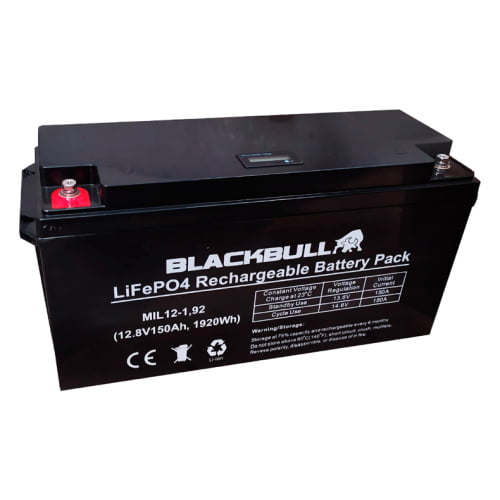
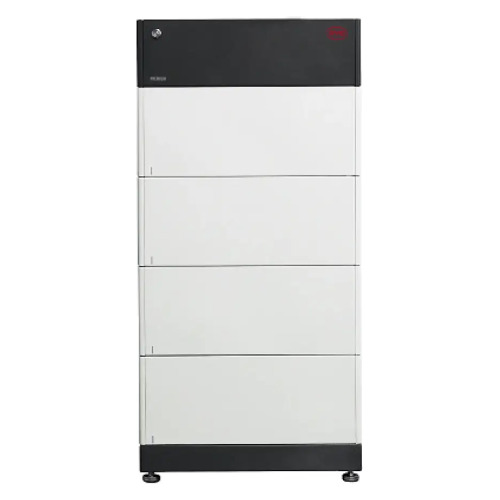
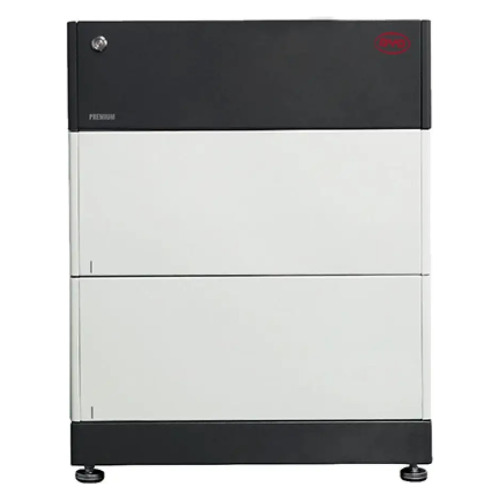
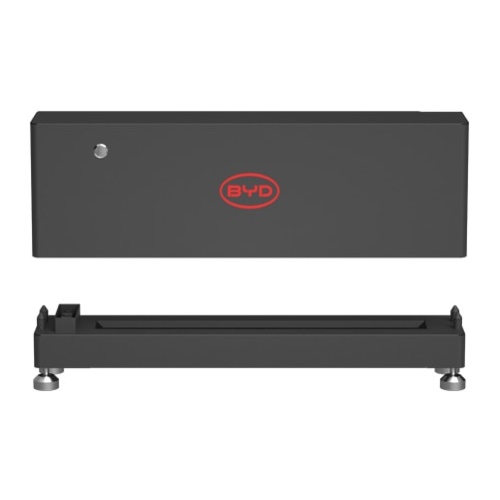
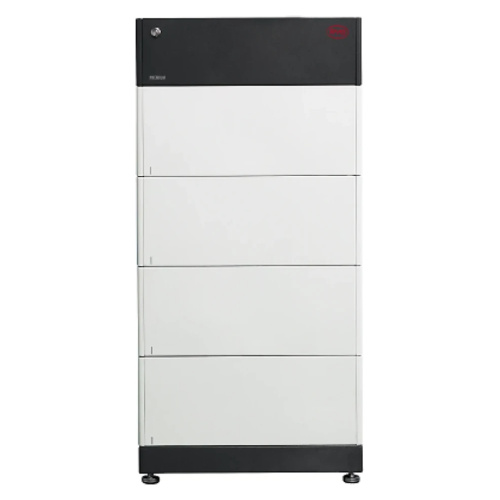
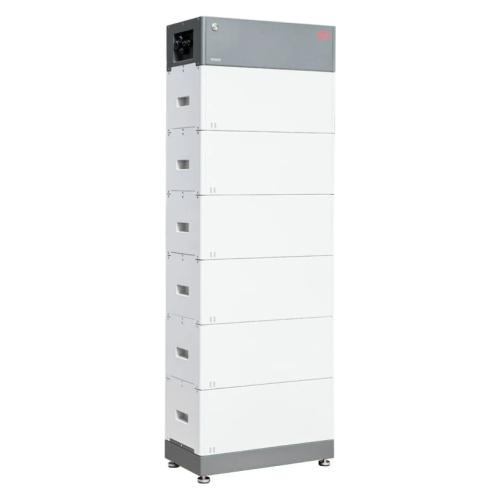
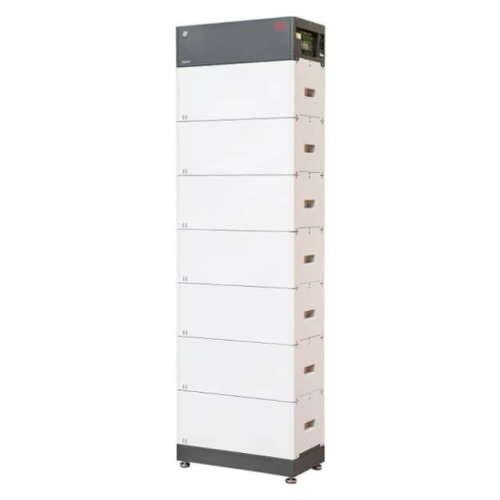
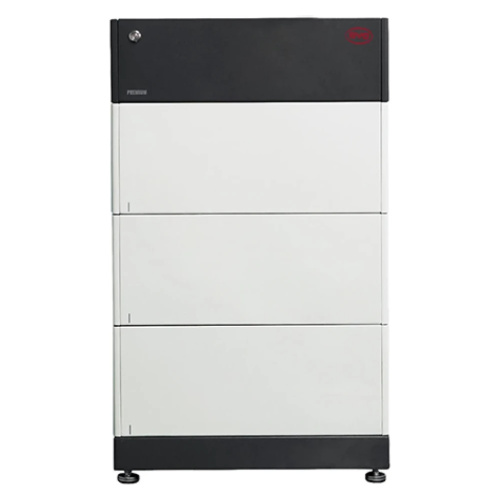
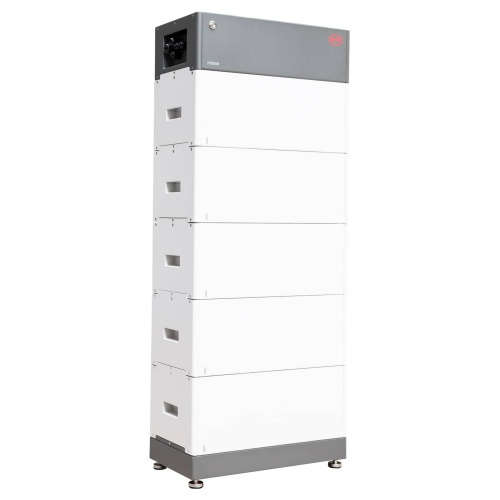
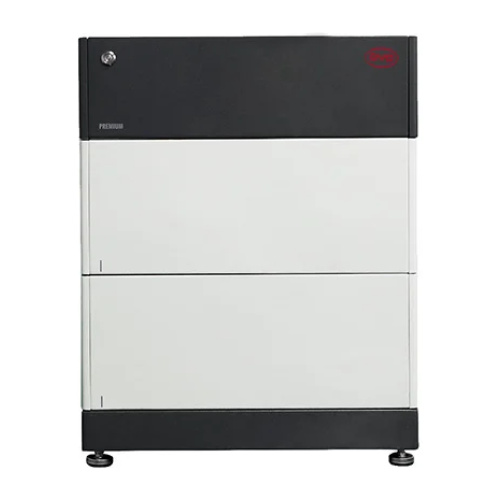
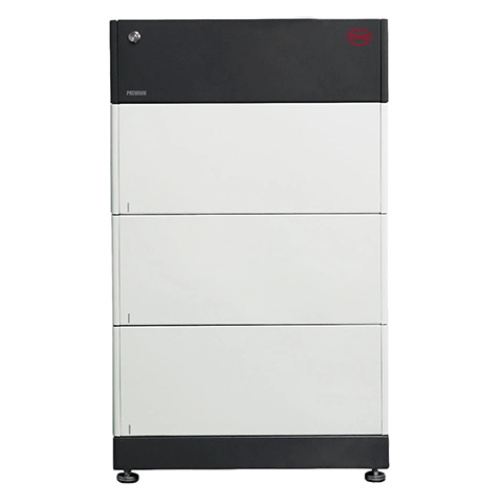
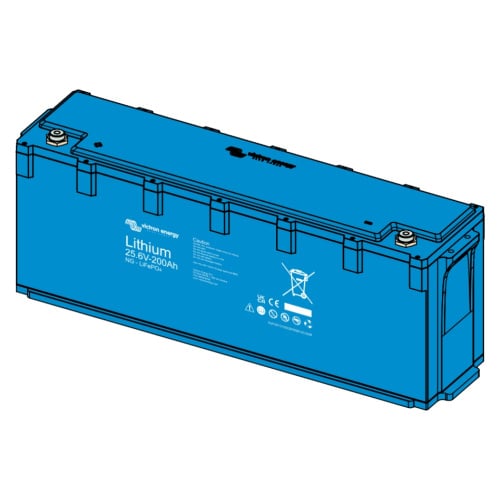
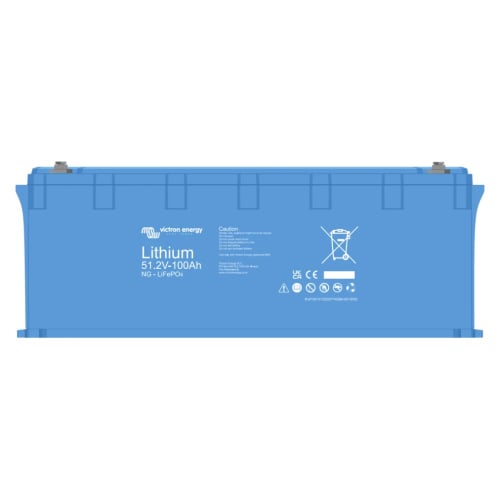
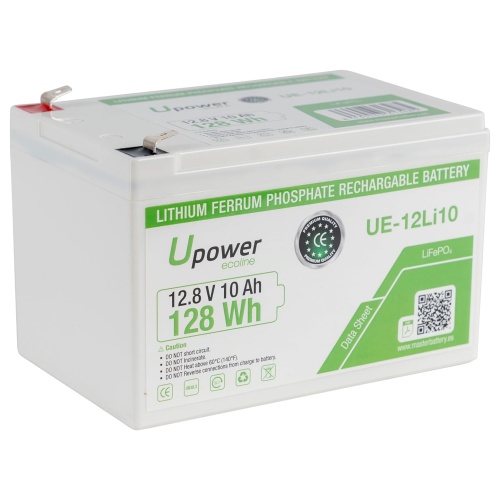
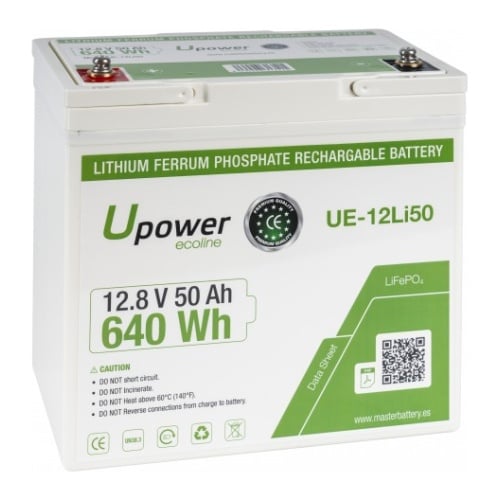
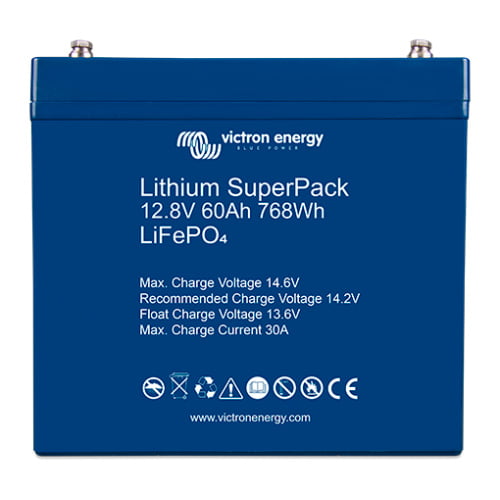
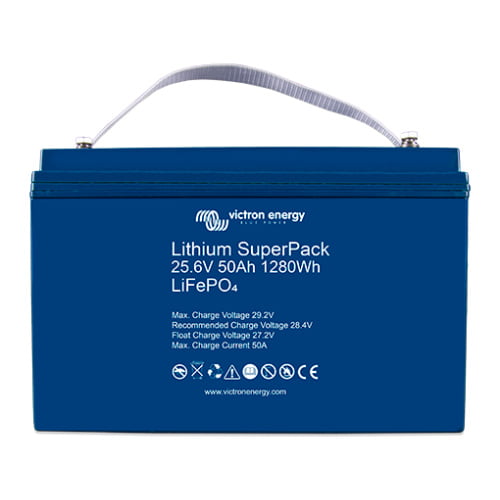
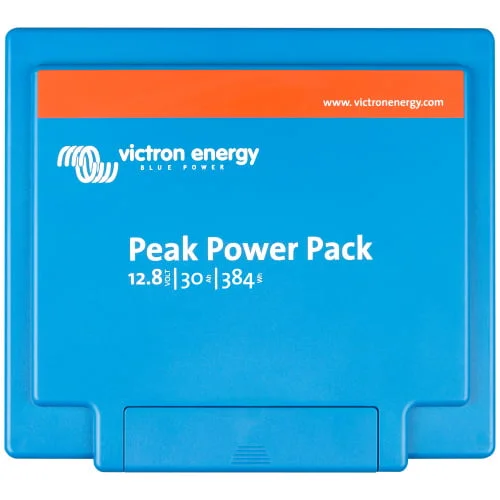
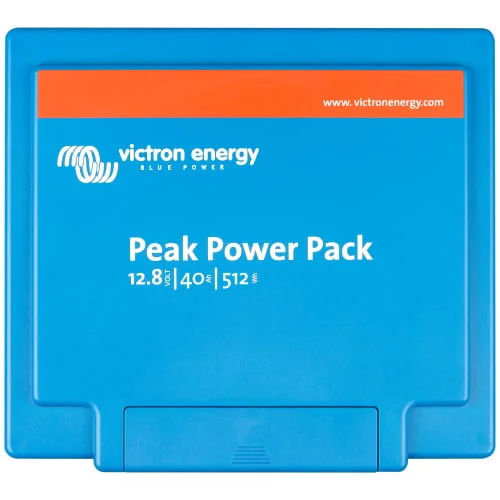
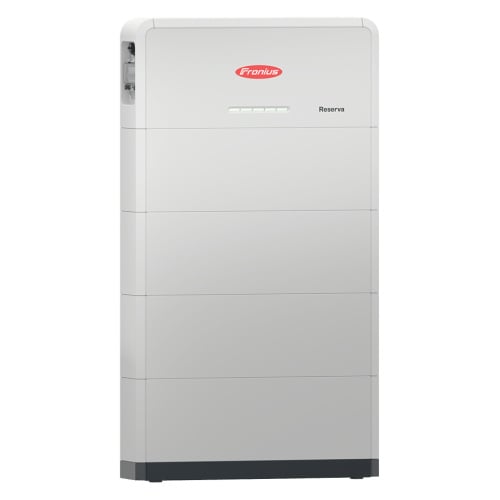
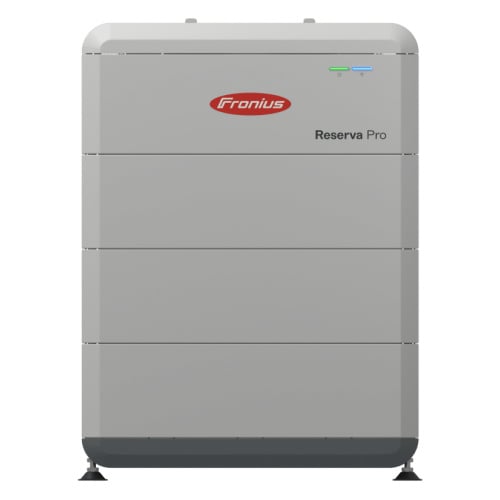
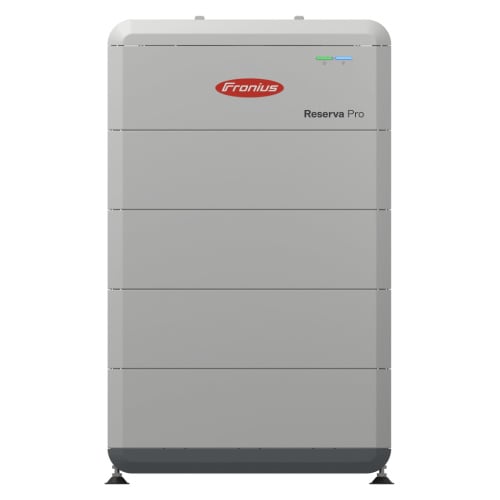
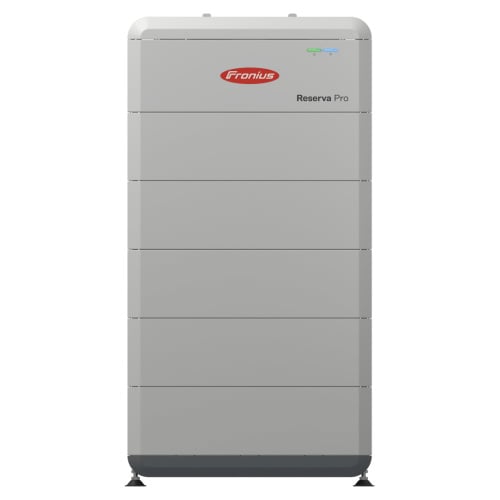
LiFePO4 lithium batteries: the current standard for any new installation. Between 3,000 and 6,000 cycles, a usable discharge depth of 80–100 %, maintenance-free and with a charge efficiency of around 98 %. Available in 12V for camping and boating, 24V for medium-sized systems and 48V for the home. Brands: Victron Energy, Pylontech, Pytes and the high-voltage batteries by BYD.
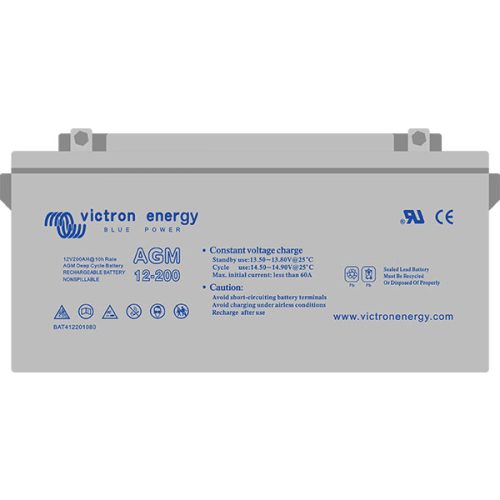
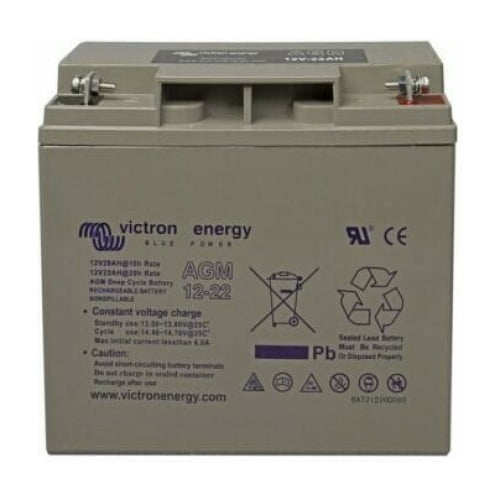
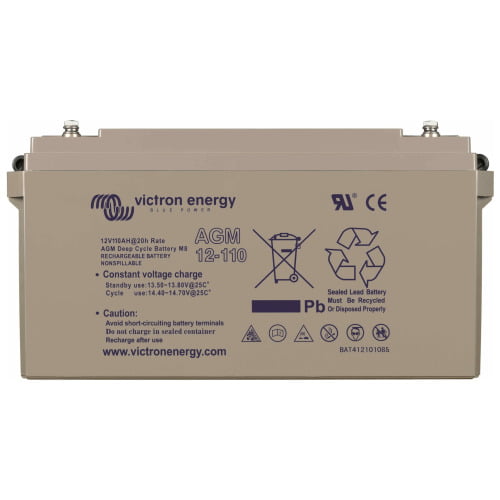
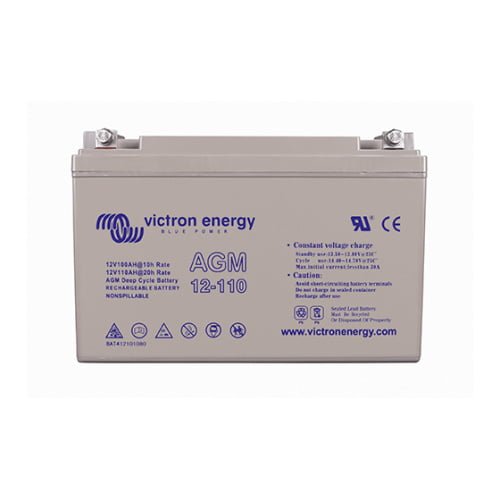
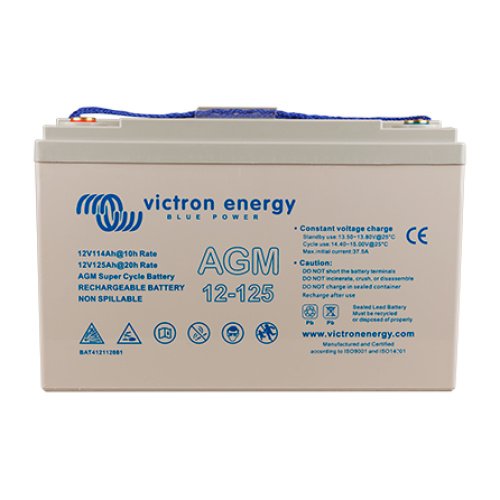
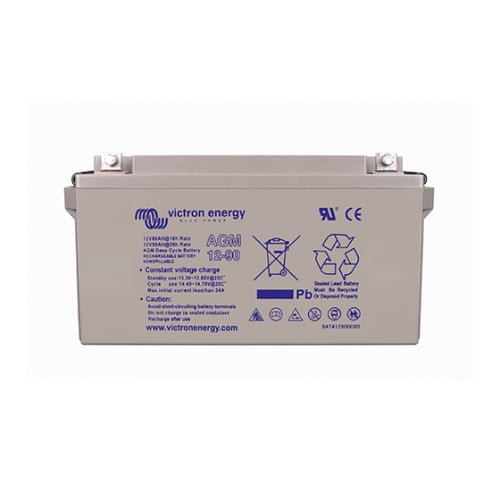
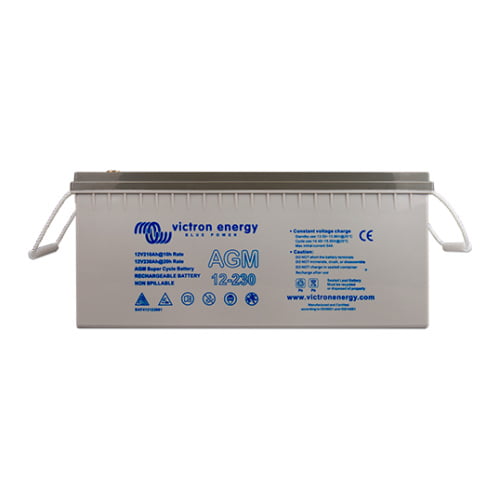
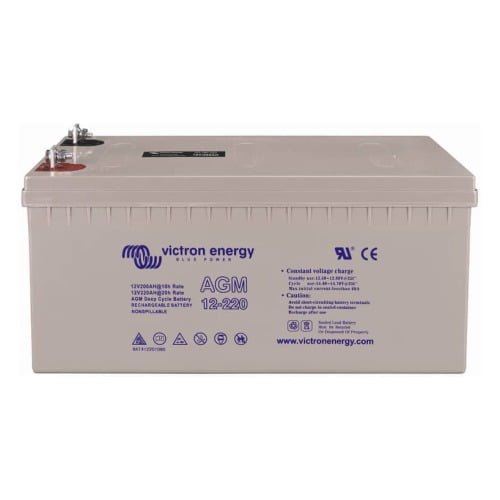
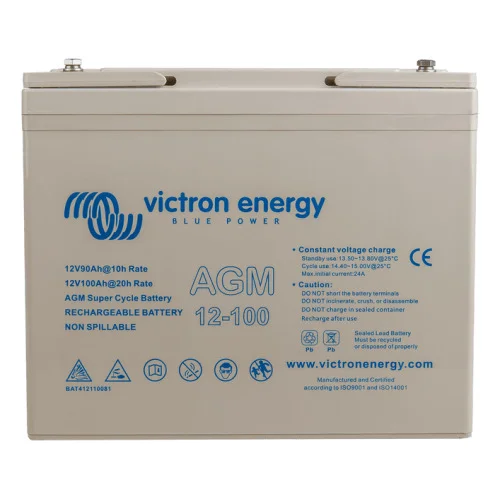
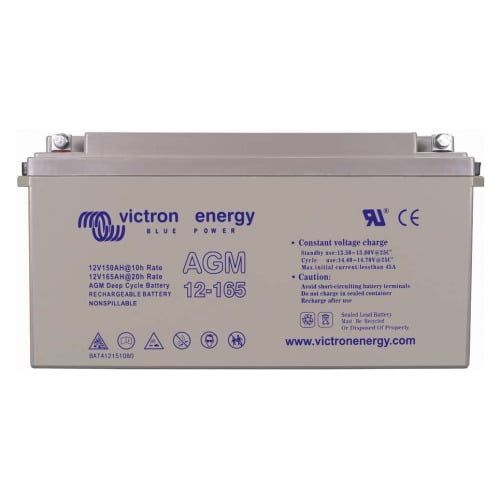
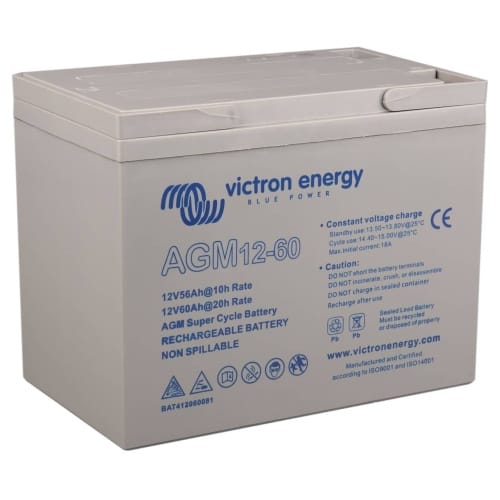
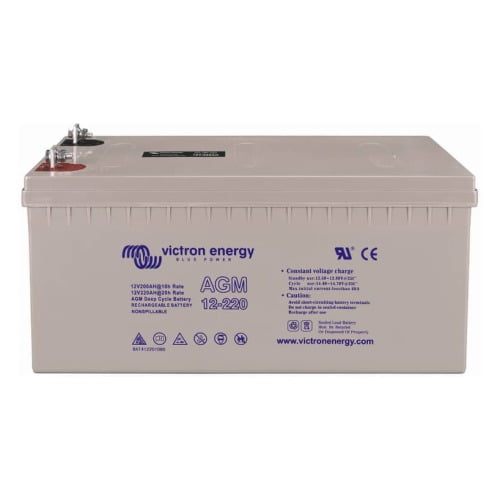
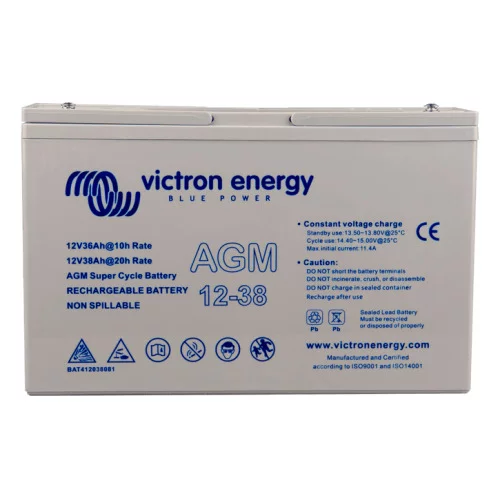
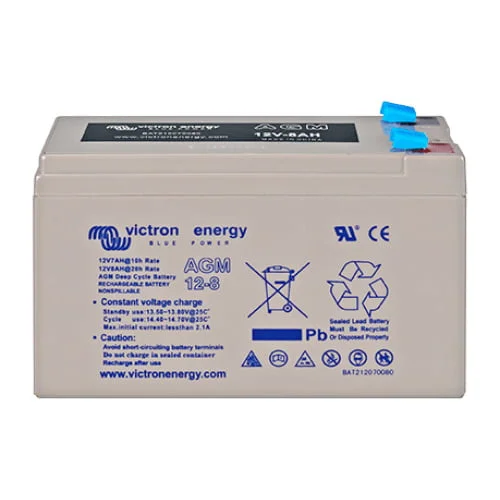
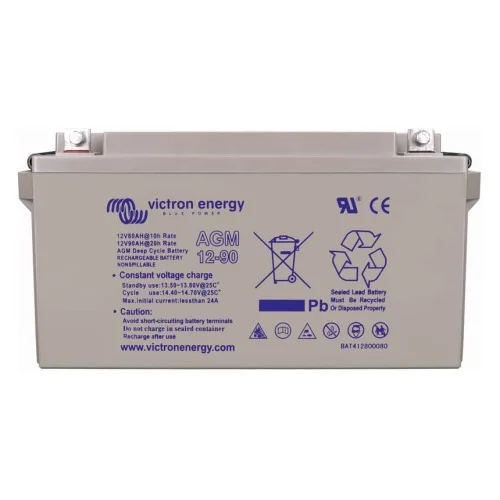
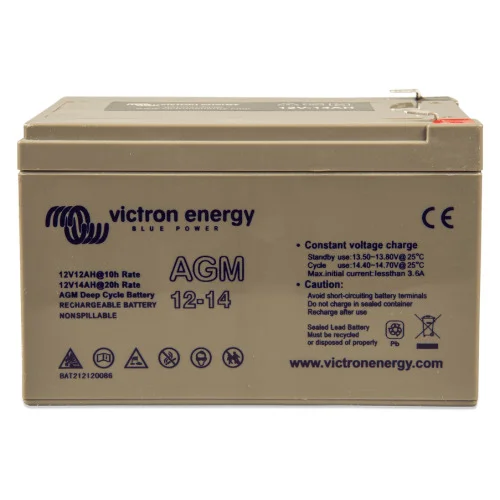
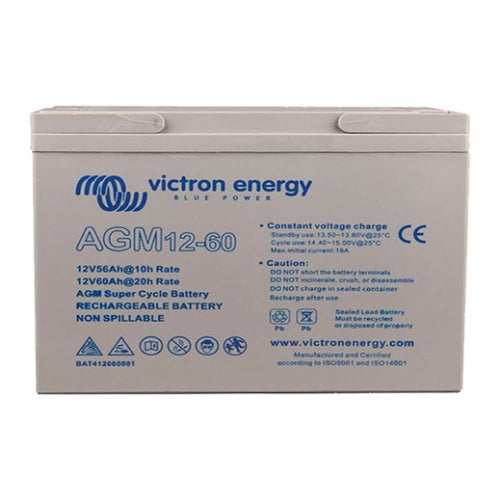
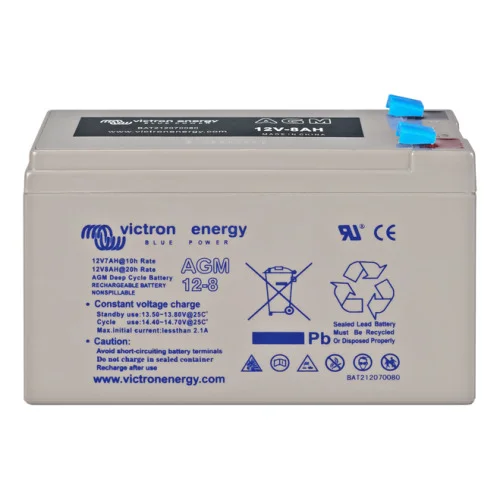
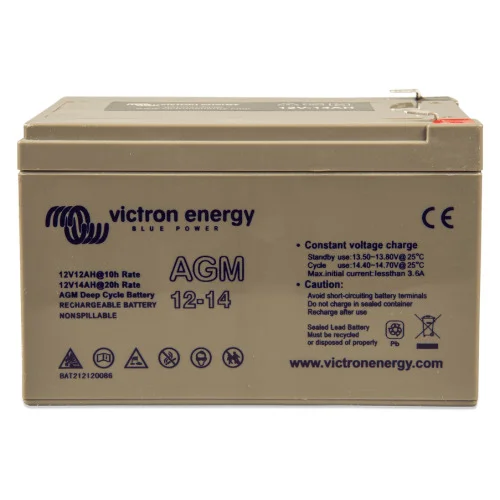
AGM batteries: Sealed, maintenance-free lead-acid battery. The most economical option for low consumption or occasional use. Between 500 and 800 cycles at a 50% discharge rate: if you discharge it further, the service life drops sharply. A good option for a second home or a backup system that is rarely used.
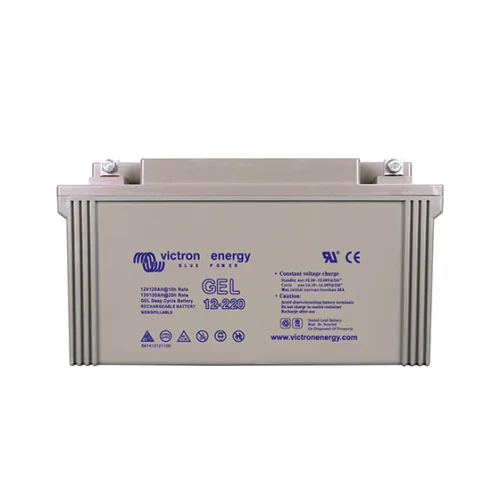
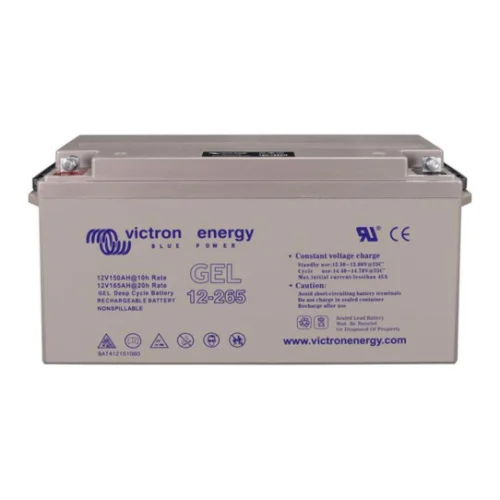
Gel batteries: Greater tolerance to high temperatures and lower self-discharge than AGM batteries. Ideal for hot climates and installations that remain unused for weeks at a time.
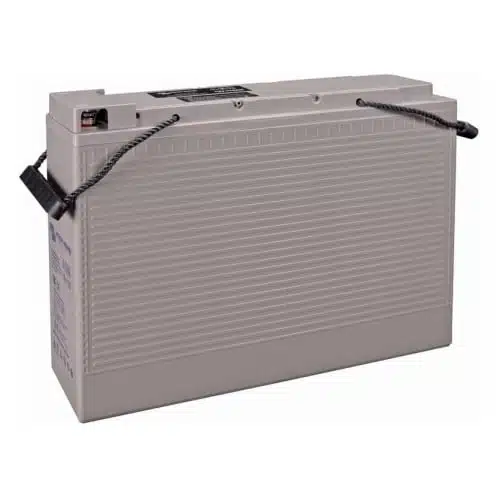
Carbon batteries and OPzS stationary units: For deep daily cycling on a tight budget, or high-capacity batteries in off-grid homes. Long service life in exchange for weight, volume and maintenance.
How many batteries do I need for my solar panels?
The calculation is based on daily consumption, not on the panels’ power output. Add up the kWh you use each day, decide how many days’ supply you want to cover, and divide by the depth of discharge supported by the technology.
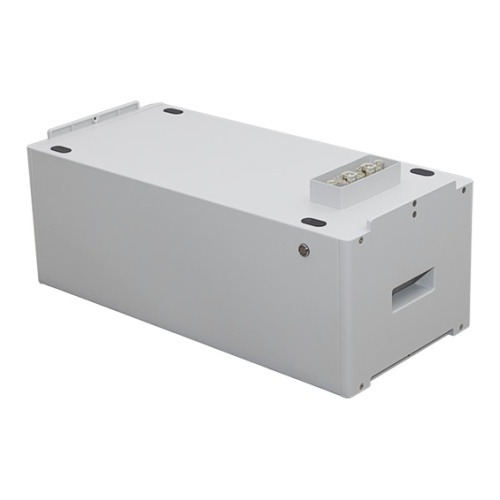
A real-life example: a home that consumes 10 kWh/day and wishes to cover its night-time consumption — around 40 %, or some 4 kWh — requires a lithium battery bank with a usable capacity of 5 kWh. With modules rated at 5.12 kWh at a 90 % depth of discharge, a single battery will suffice. With AGM batteries at 50 %, 10 kWh nominal capacity would be required to achieve the same result, i.e. twice the battery capacity.
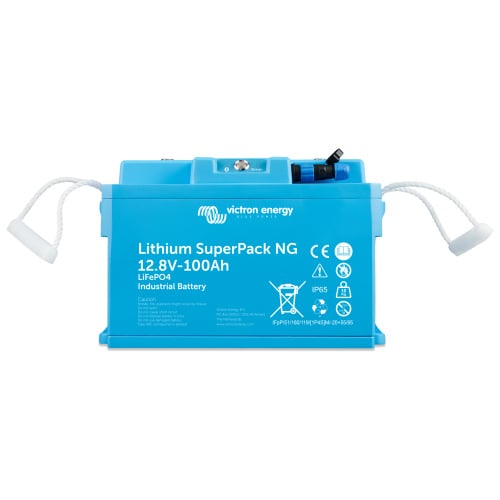
In a campervan, the reasoning is exactly the same but on a different scale: a compressor fridge, lights, a water pump and USB chargers use around 600–900 Wh per day, which can be covered by a 100 Ah 12V lithium battery.
How long does a solar battery last?
It depends on the number of cycles, not the calendar. A LiFePO4 lithium battery with 6,000 cycles, cycled once a day, will last around 15 years whilst retaining around 80 % of its initial capacity. A properly sized AGM battery will last between 4 and 6 years. A well-maintained OPzS stationary battery can last over 15 years.
The three factors that most significantly shorten a power bank’s actual lifespan are discharging it below its technological capacity, operating it continuously at temperatures above 35 °C, and leaving it at partial charge for long periods. Correct sizing from the outset is cheaper than having to replace the power bank prematurely.
Which battery is recommended for your installation?
Campervans, vans and water sports: 12V lithium battery. Lightweight, withstands deep discharges and recharges quickly from the alternator with a DC-DC booster. This is the configuration we use on a daily basis.
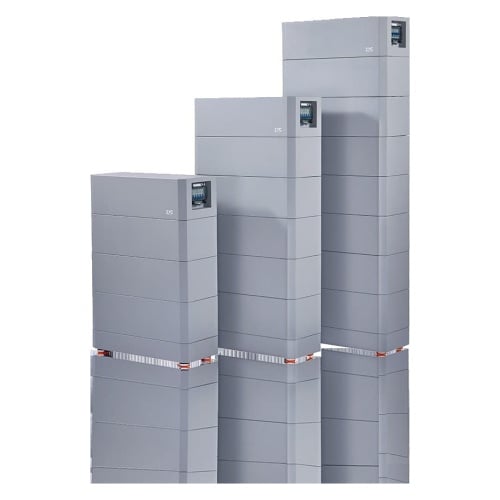
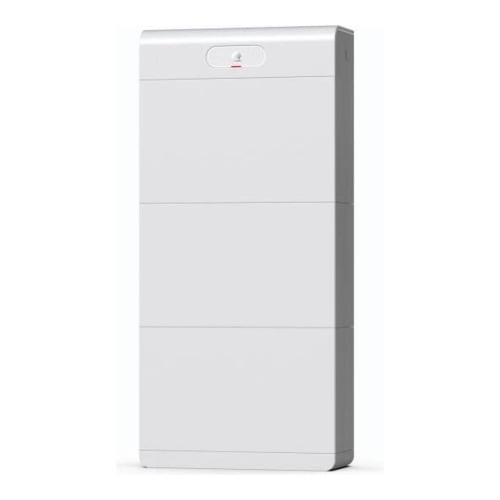
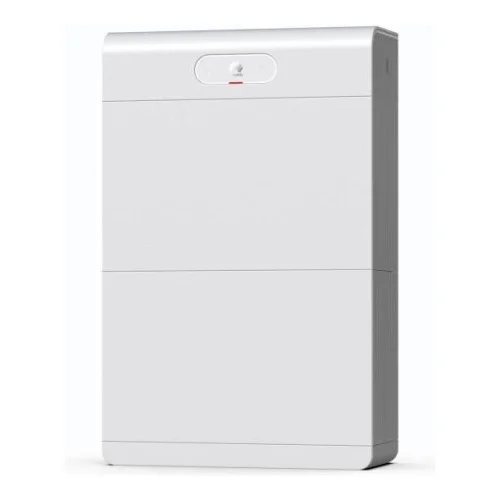
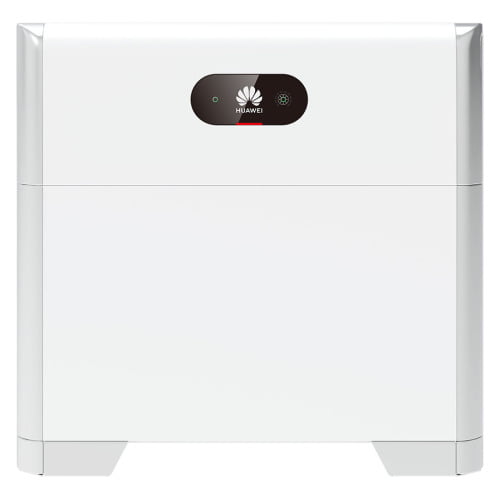
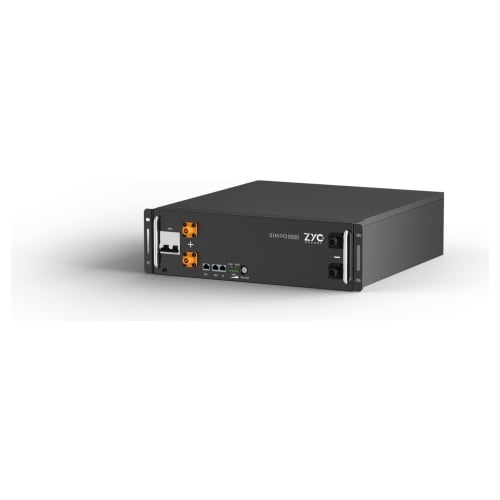
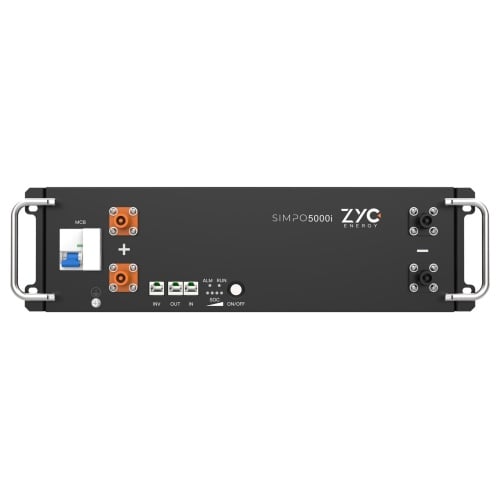
Home with self-consumption and grid connection: 48V lithium-ion batteries in a rack-mounted format. Pylontech, Pytes and the Victron NG series offer capacities ranging from 2.4 kWh up to 20 kWh by stacking modules. If you plan to expand in the future, choose a brand from the outset that allows for parallel expansion.
Off-grid housing: Here, the battery is the heart of the system, so it’s best to go for a larger capacity. A 48V lithium battery if your budget allows, or OPzS stationary batteries if you’re looking for maximum capacity per euro.
Inverter compatibility: something almost nobody checks
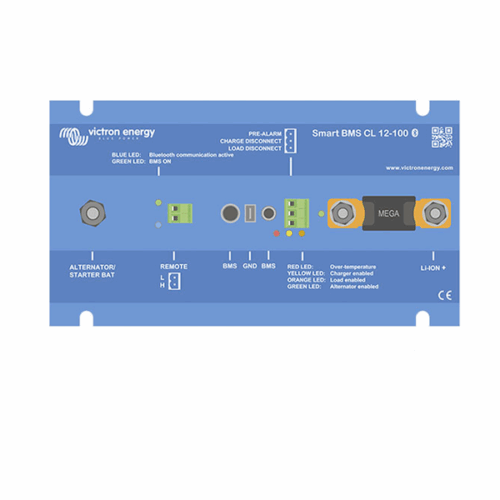
A lithium battery is not a passive component. Its BMS must communicate with the inverter so that the latter can adjust charging voltages, currents and protection cut-offs. If there is no communication, the system operates in fixed-voltage mode and you lose capacity and service life.
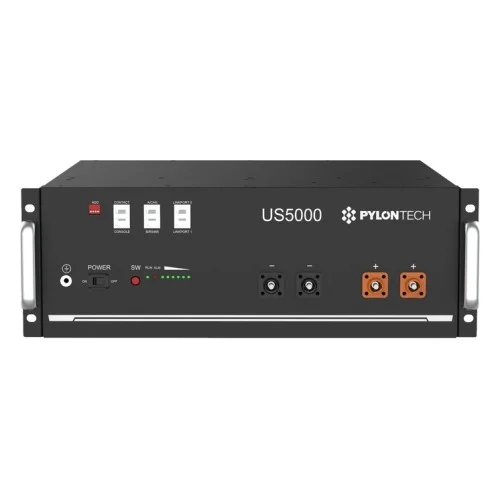
All the 48V batteries we supply are compatible with Victron’s DVCC protocol, which allows them to be integrated with MultiPlus and Quattro and monitor them from a Cerbo GX. If you’re unsure which of the two best-selling 48V models to choose, we’ve published the Comparison of the Pytes V5 and the Pylontech US5000 based on data from actual installations.
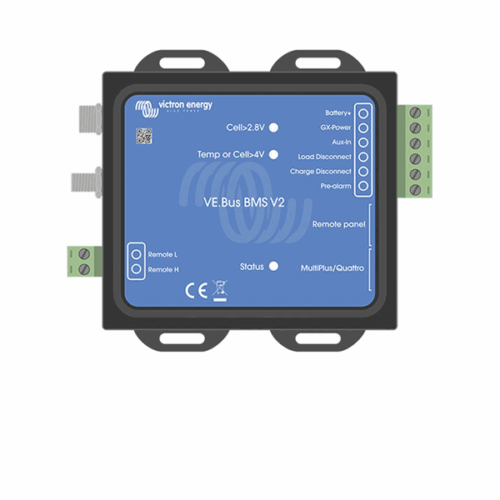
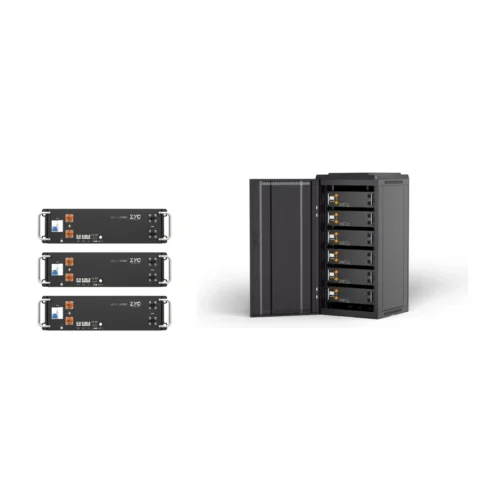
For large banks or facilities that are being developed in phases, also check out the rack cabinets and the BMS systems.
Choosing your solar battery wisely
Whether you’re looking for a 12V solar battery for your van or a 48V battery for your home, we’ll help you work out the right size for your battery bank and check compatibility with your inverter before you buy. Our technical equipment Free, no-obligation advice; if you need a specific model by a certain date, please check with us for availability. Dispatch within 24–48 hours for items in stock.