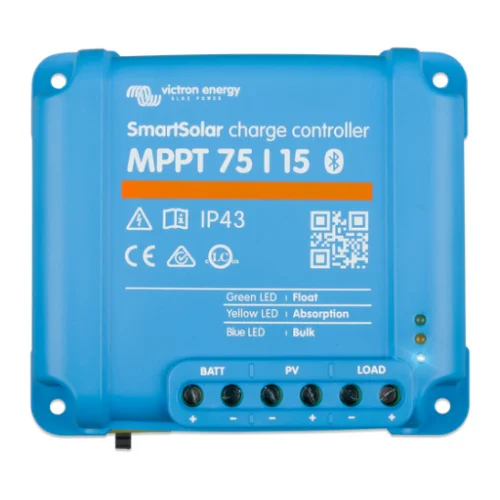
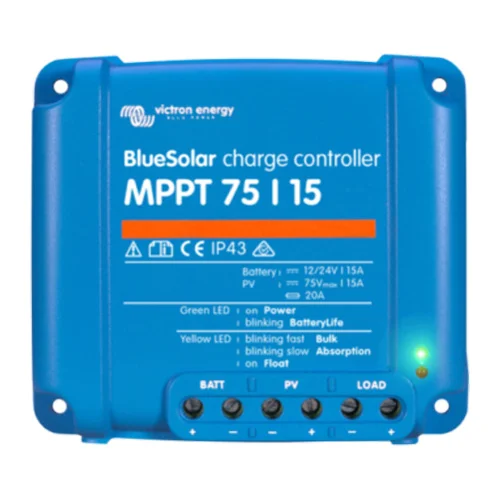
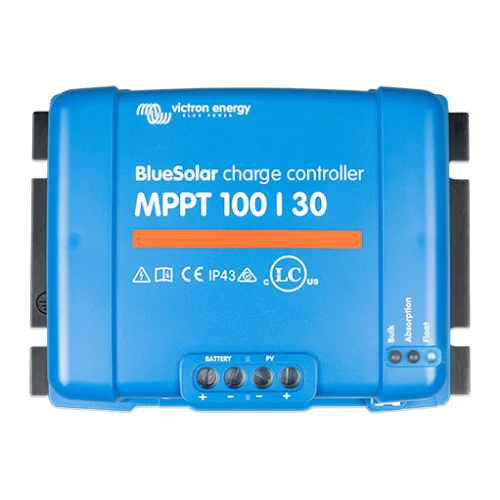
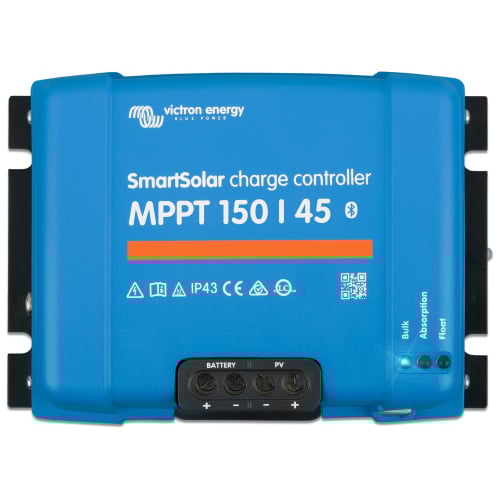
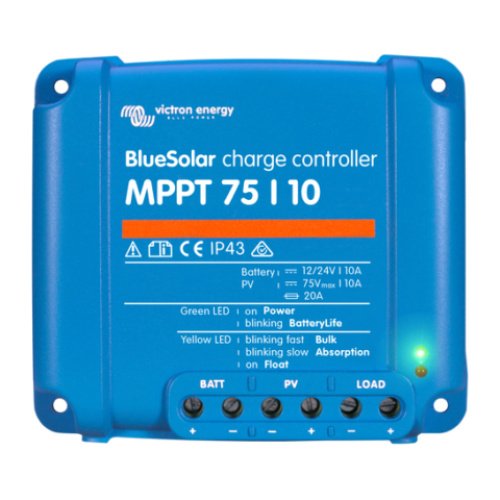
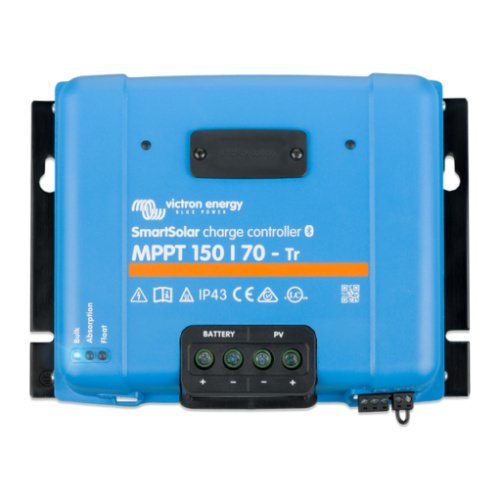
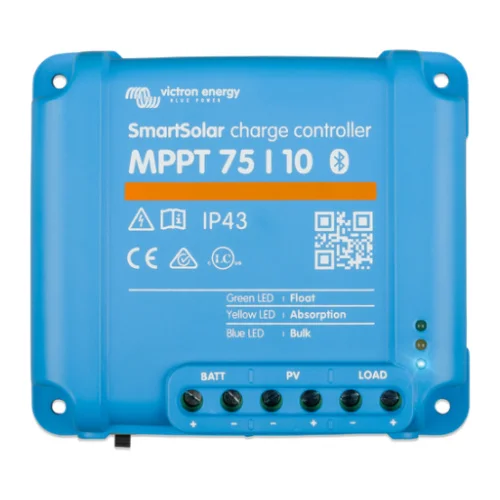
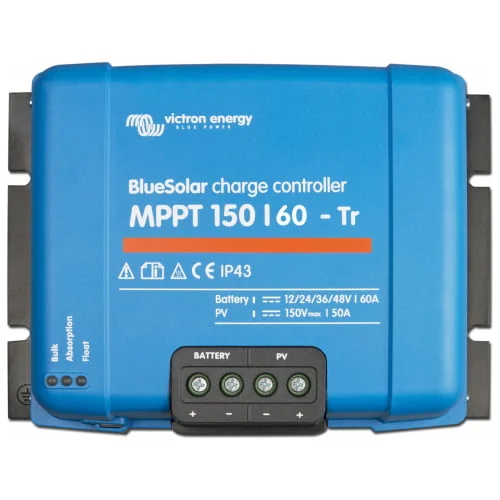
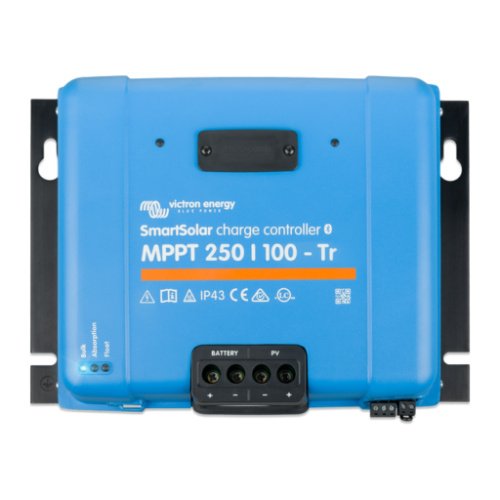
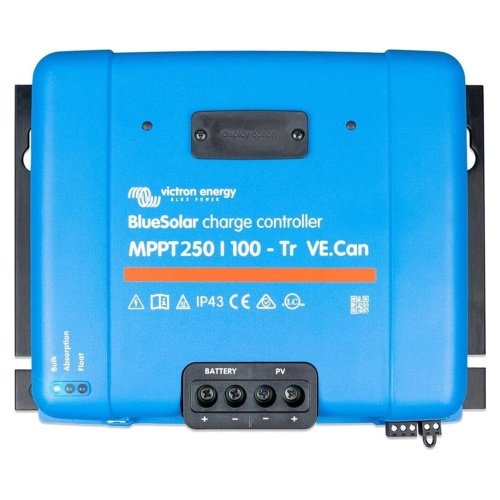
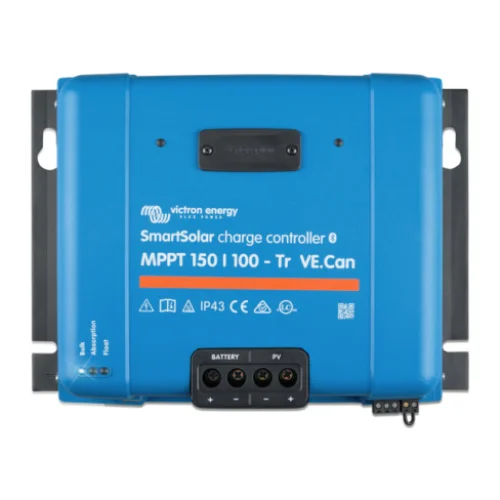
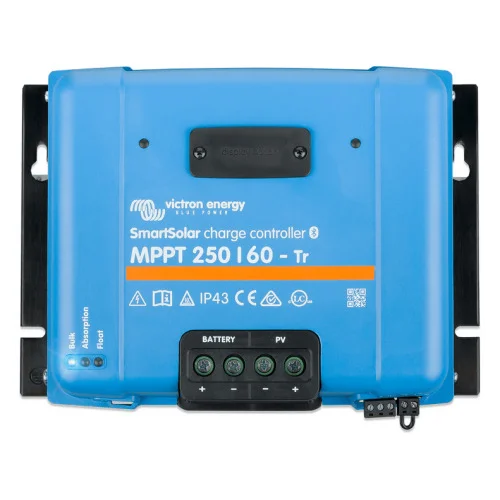
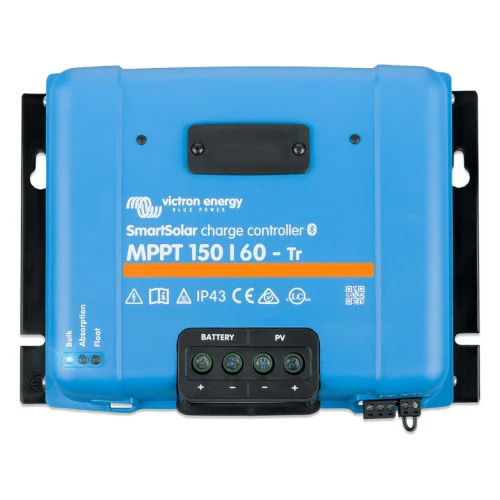
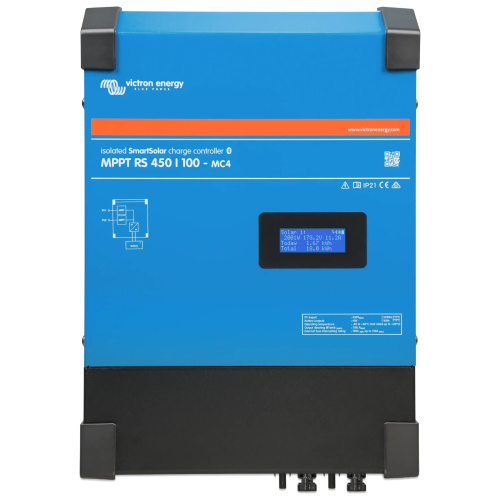
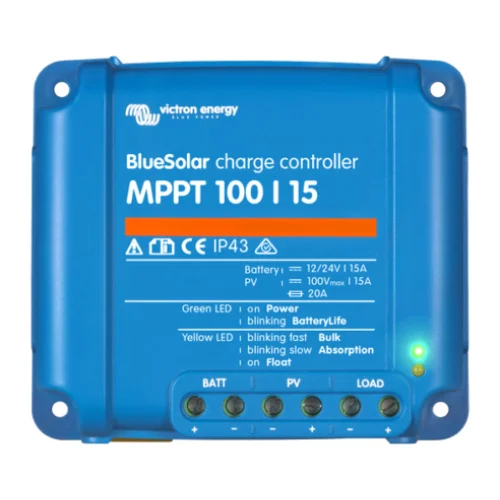
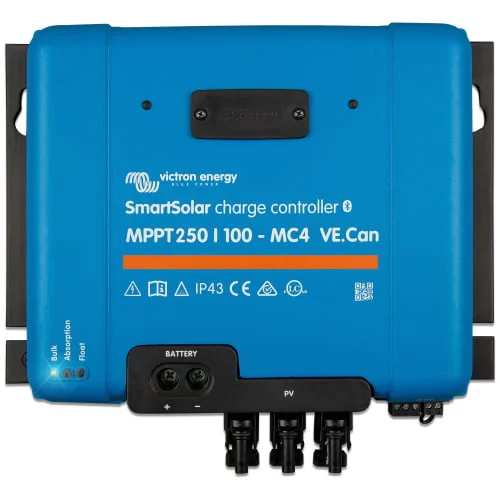
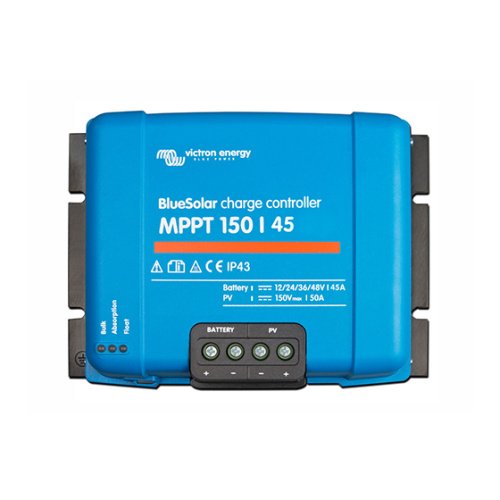
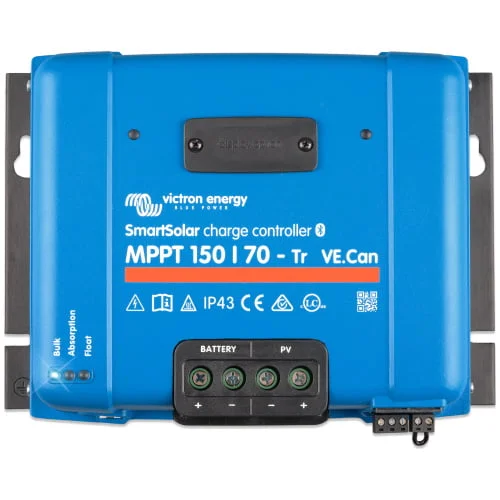
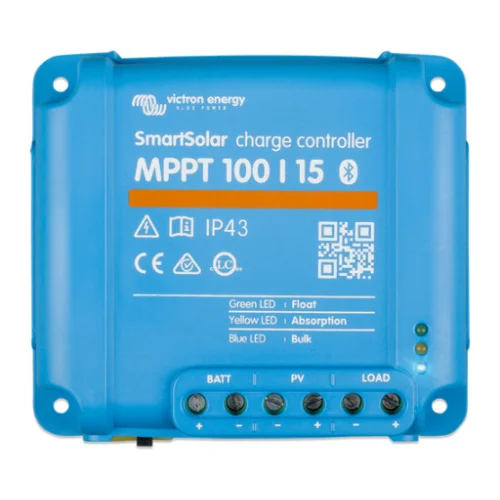
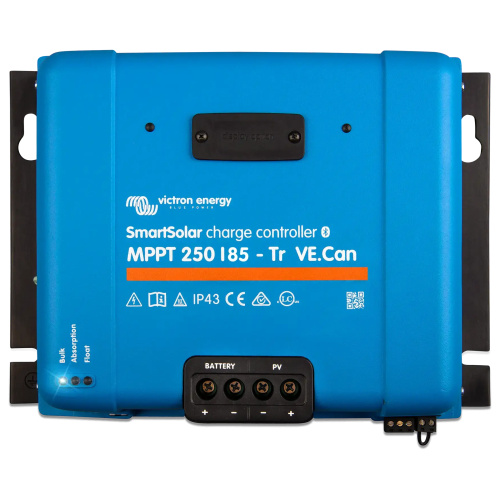
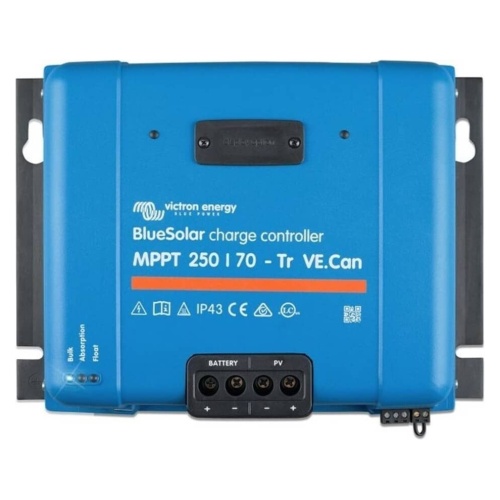
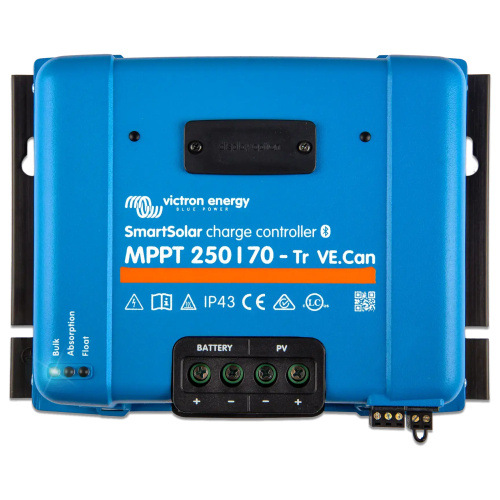
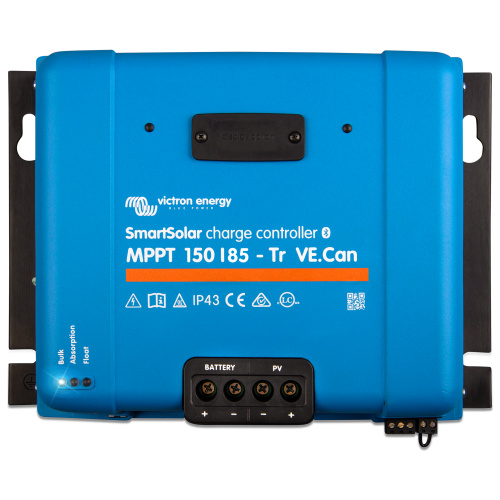
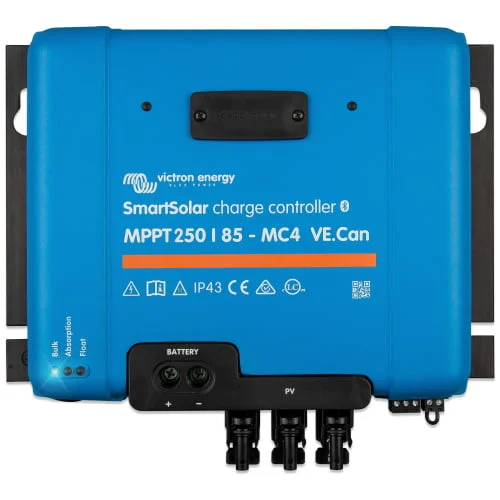
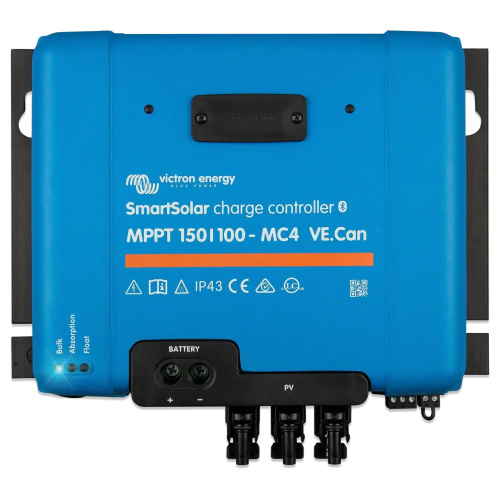
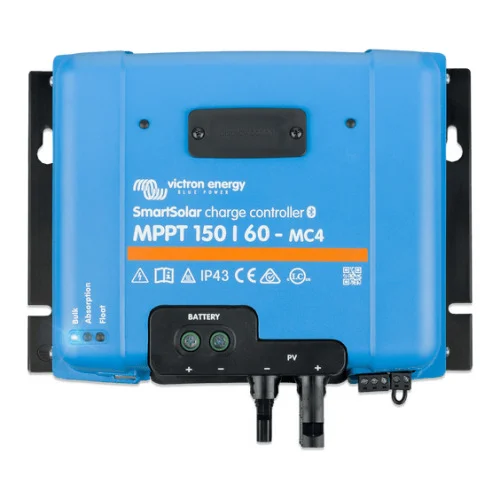
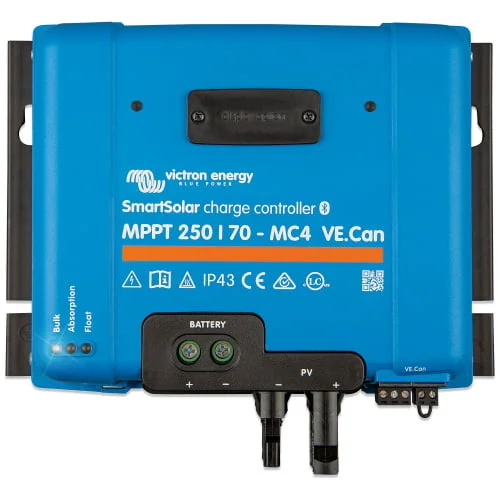
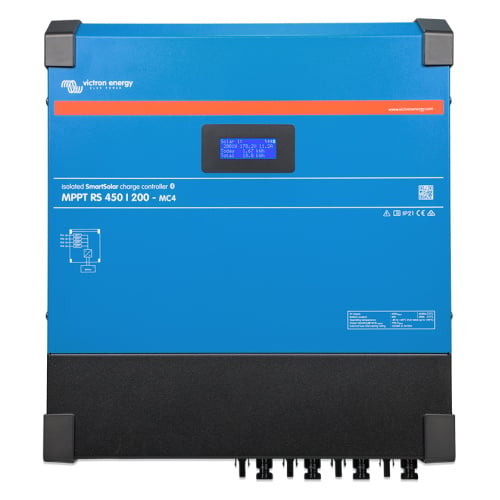
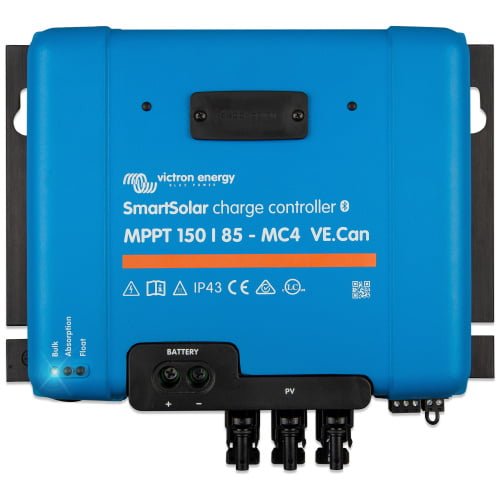
The MPPT charge controller is the device that determines how much energy from your panels actually reaches the battery. Compared to a PWM controller, a correctly sized MPPT controller delivers between 20 and 30 % more output from the same panels, and that difference pays for itself within the first season.
What does MPPT mean, and why is it important?
MPPT stands for Maximum Power Point Tracking. A solar panel does not deliver its maximum output at a fixed voltage: that point constantly shifts in response to radiation and temperature. An MPPT controller tracks that point several times per second and converts the excess voltage into additional current for the battery.
A specific example: a 200 W panel operating at 36 V connected to a 12 V battery. PWM forces the panel to drop to the battery voltage, losing everything in between; MPPT converts that difference into amps. The same panel, a third more energy.
MPPT or PWM: when is each one worthwhile?
The PWM It still makes sense for small installations where the panel voltage is close to that of the battery — 36-cell 12 V panels — and budget is a key consideration. Above 100–150 W, or if you’re using 60- or 72-cell grid-tied panels, MPPT is always the right choice.
How do you choose the right MPPT controller?
Regulators are designated by two figures: the first is the maximum input voltage from the panels and the second is the maximum output current to the battery. A 100/30 It accepts an input of up to 100 V and delivers up to 30 A.
Input voltage. Calculate the open-circuit voltage (Voc) of the string on the coldest day of the year, as the cold causes it to rise. If the string produces 85 V at 25 ºC, in winter it may exceed 100 V and you could burn out a 100/x model. Always allow for a margin.
Output current. Divide the total panel power by the battery voltage. 600 W of panels connected to a 12 V battery is 50 A, so you need a 100/50. The same 600 W connected to a 24 V battery is 25 A, so a 100/30 will do.
Common references: 75/15 for a small panel in a camper van, 100/30 for 400–450 W at 12 V, 100/50 for 700 W at 12 V or 1,400 W at 24 V, and 150/35 or higher when you connect network panels in series.
Victron SmartSolar chargers
The Victron SmartSolar They have built-in Bluetooth: you can configure the battery profile, view output and diagnose problems from your mobile phone without having to buy anything else. Models with VE.Can or VE.Direct also integrate with a Cerbo GX to monitor the entire installation remotely.
For lithium batteries, it is essential to adjust the charging profile: the absorption and float voltages for a LiFePO4 battery are not the same as those for a lead-acid battery, and leaving the default profile will shorten the life of the battery bank. If you have lithium batteries, check it before starting the system up.
What else do you need?
A regulator needs protection on both the panel side and the battery side. Check the fuses and calculate the cable cross-section using our Cross-section table by power rating: With 12 V DC, voltage drops eat into the output very quickly.
If you tell us which panels you have and what voltage your battery operates at, we’ll tell you exactly which model you need. Technical advice Free of charge and delivered within 24–48 hours.