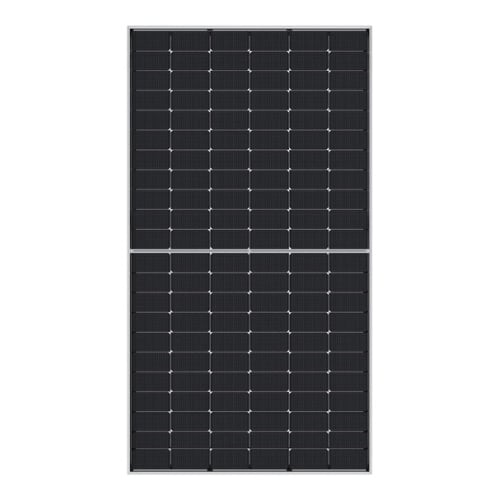
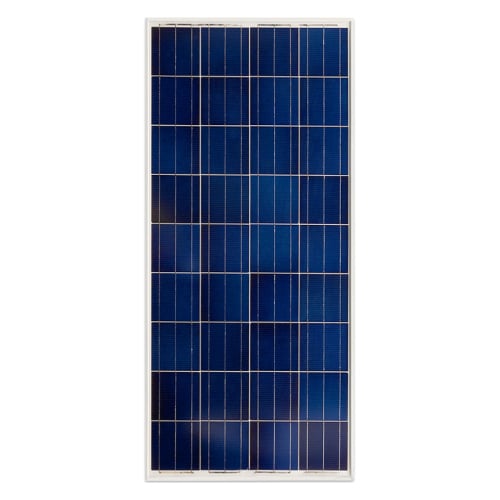
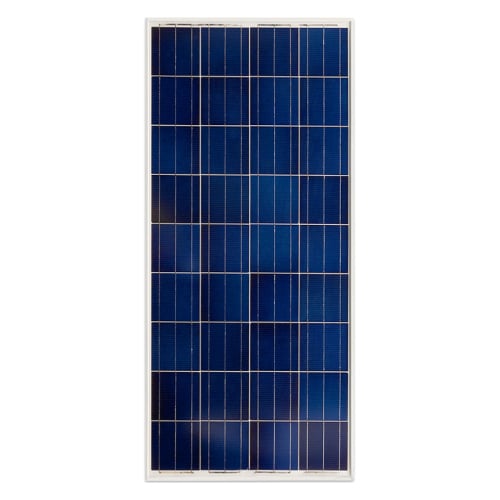
Photovoltaic solar panels convert the sun’s radiation into electricity and form the basis of any installation, whether it’s the roof of a van, a self-consumption home or an off-grid property. Here you’ll find solar panels from manufacturers offering a genuine warranty and traceability – not simply the cheapest option on the market.
Which solar panel do I need?
The first thing to consider is the operating voltage of your system, as this determines which panel is suitable.
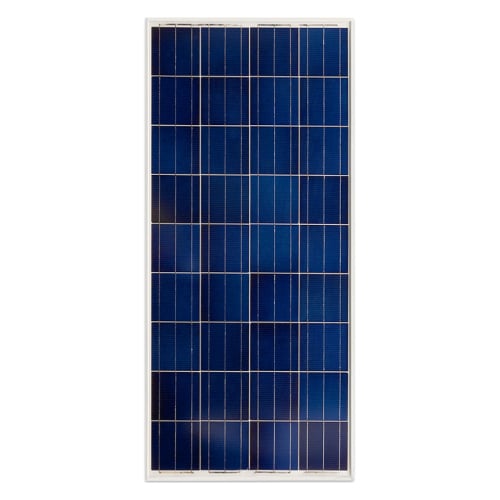
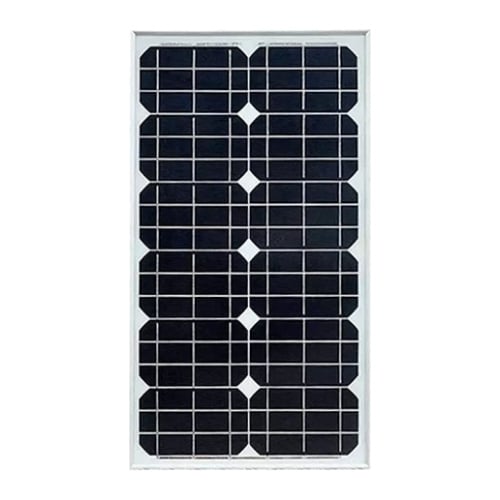
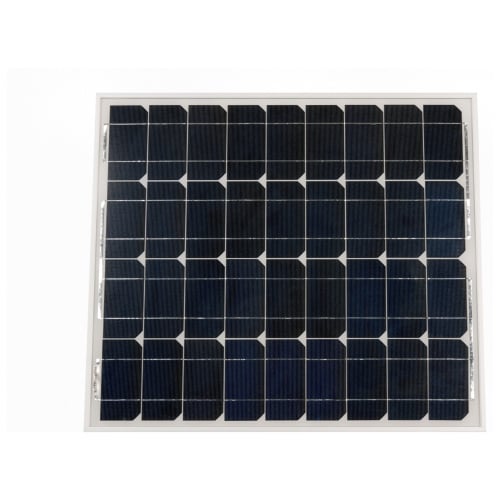
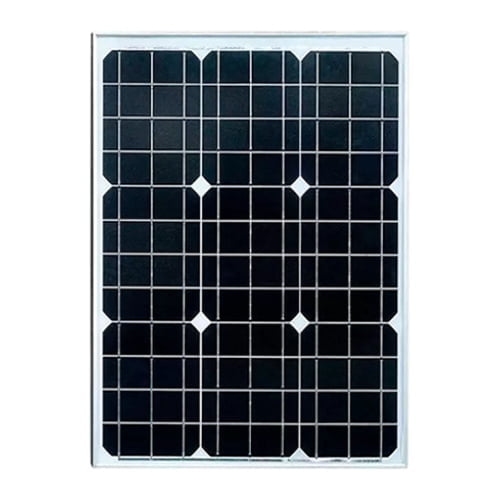
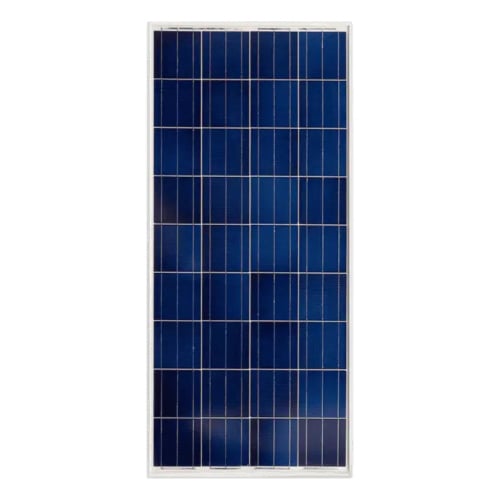
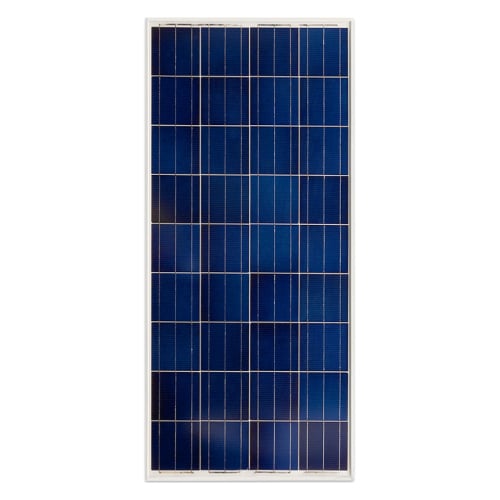
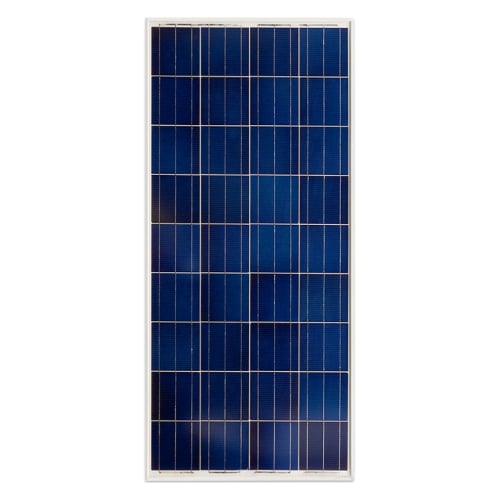
12V panels —36 cells— for small campervan or boat installations with a PWM regulator. Power outputs from 50 to 150 W.
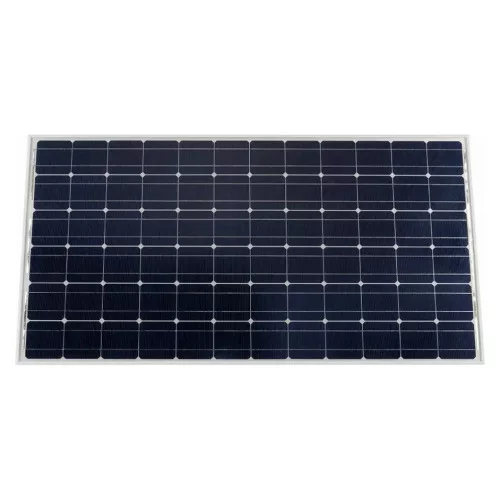
24V panels —60 to 72 cells— from 150 to 400 W. These are the ones fitted to motorhomes and in medium-sized off-grid installations, always with MPPT controller.
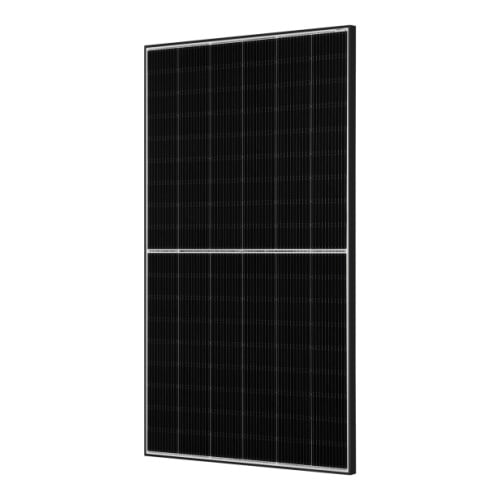
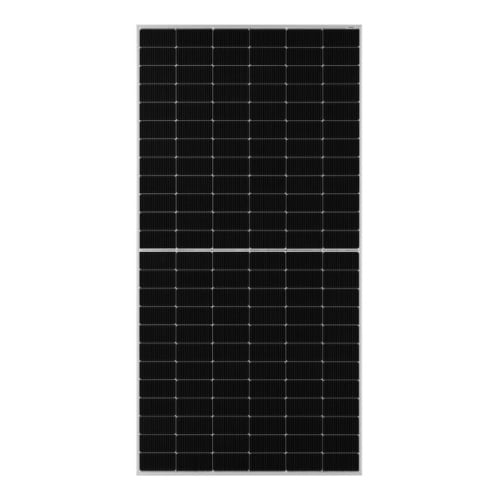
Self-consumption panels from 400 to 600 W, for connecting in series to a grid-connected or hybrid inverter. These are the ones used on the roofs of houses.
How many panels are needed?
In Spain, one kilowatt-peak of installed capacity produces around 1,400–1,700 kWh per year, depending on the area and orientation. To cover an annual consumption of 4,000 kWh, you therefore need between 2.5 and 3 kWp, which is roughly six to eight 450 W panels.
In a campervan, the calculation is based on daily consumption: with a 400 W solar panel, you’ll get around 2 kWh a day in summer and barely 600–700 Wh in the depths of winter. If you travel all year round, base your calculations on December’s figures or make sure you can also charge from the alternator.
Monocrystalline, cell type and warranties
Today, virtually the entire market consists of monocrystalline panels: they offer higher output per square metre and perform better in low-light conditions. TOPCon and bifacial technologies provide slightly higher output and a better temperature coefficient, which is important in Spain because, in summer, a panel operates at temperatures well above the 25 °C laboratory standard.
Always look out for two different types of warranty: the product warranty, which usually lasts between 12 and 25 years, and the performance warranty, which guarantees a minimum percentage of power output after 25 years. A cheap panel with a 10-year product warranty isn’t actually cheaper – it just has a shorter warranty period.
What goes with the panels
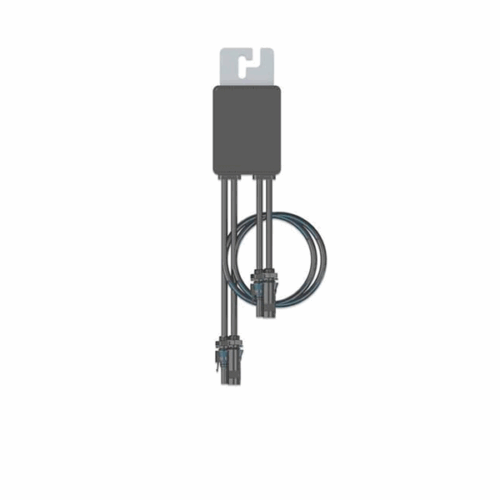
An installation also requires mounting structure suitable for your roof, solar cable of the correct cross-section — check this in the cross-section table—, MC4 connectors and their protections. And, depending on the type of installation, a inverter and a bench batteries.
If you’d rather not put it together piece by piece, have a look at the solar kits Complete sets, already cut to size. And if you’re not sure how many panels you need or which frame is right for you, We'll work it out for you free of charge.