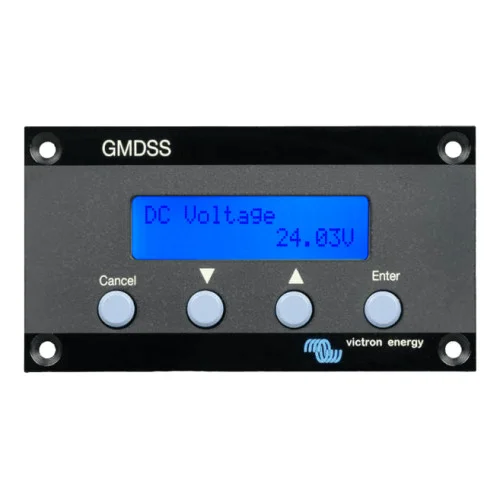
Monitoring is what turns a solar installation into something you can manage: without data, you don’t know whether the system is producing as much as it should, or why it might have produced only half as much on a particular day. In a system with batteries, it is no longer a luxury but becomes a diagnostic tool.
What does a solar monitoring system measure?
Three different things, which are often confused:
- Photovoltaic generation: This is calculated by the investor themselves based on the current and voltage of the strings.
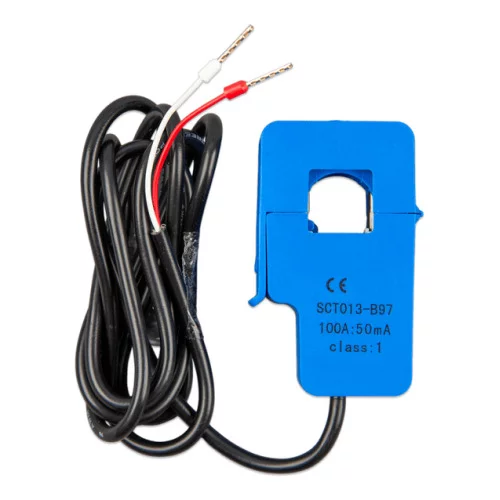
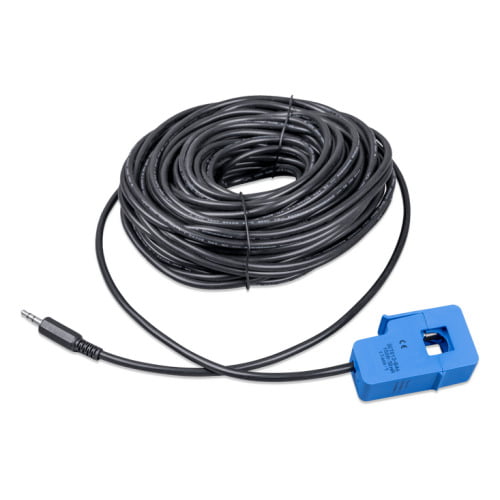
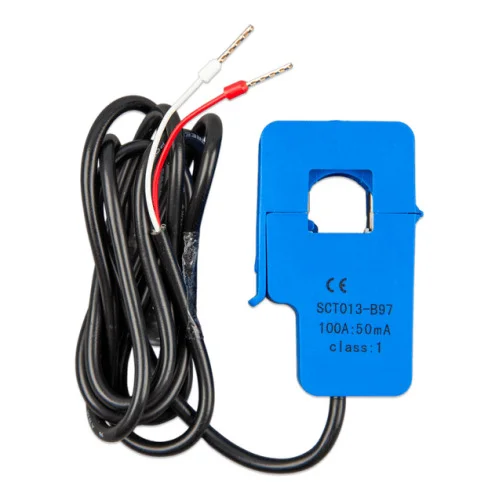
- Consumption and flow with the grid: You need an energy meter on the main fuse box. Without it, there’s no way of knowing how much you consume yourself and how much you feed back into the grid.
- Battery status: charge status, current and temperature, provided by the BMS or a battery monitor.
Many systems only display output figures and nothing else. That is why so many people believe their system is working properly when, in fact, it is discharging only half of what it generates.
What monitoring equipment do we have?
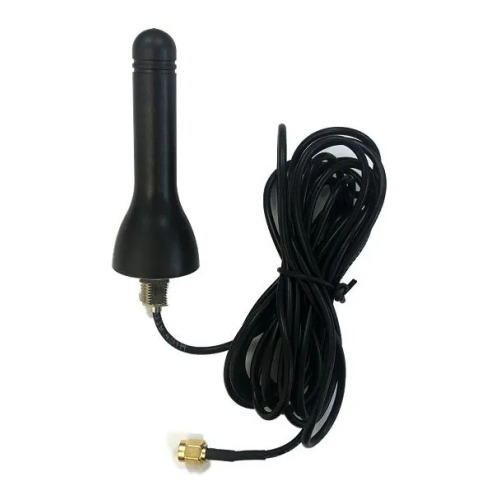
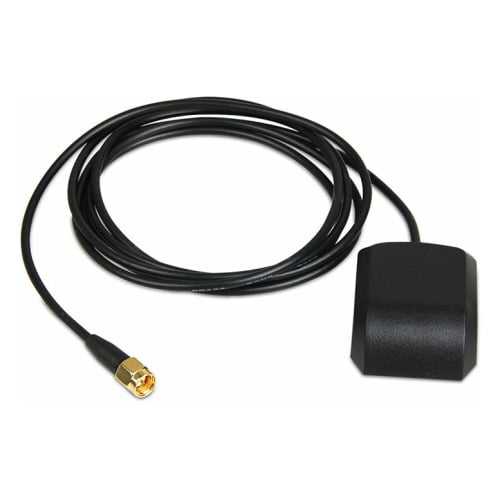
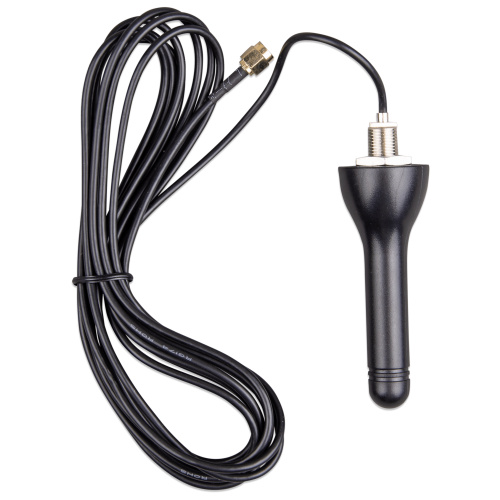
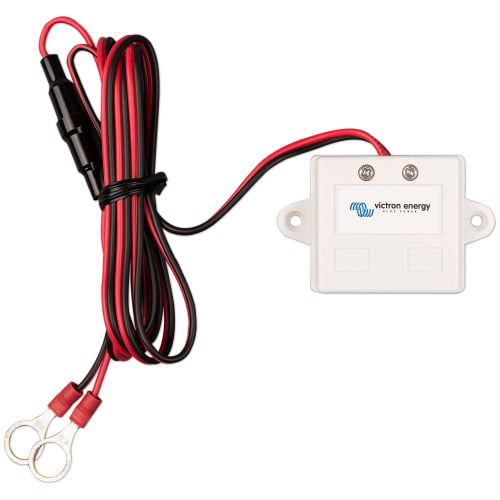
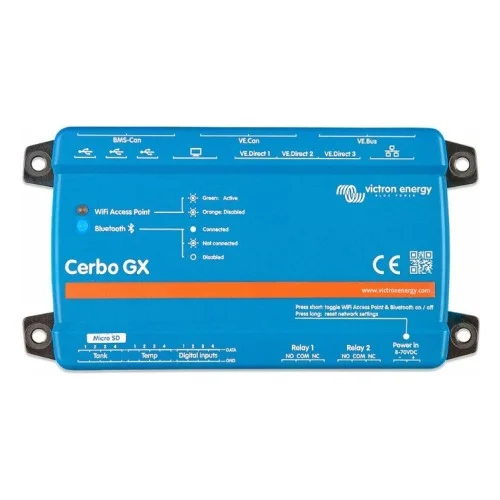
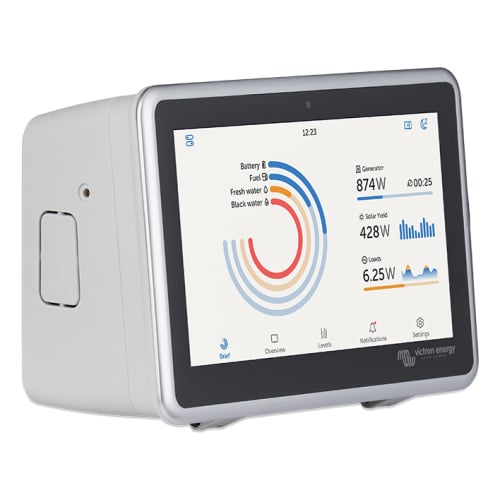
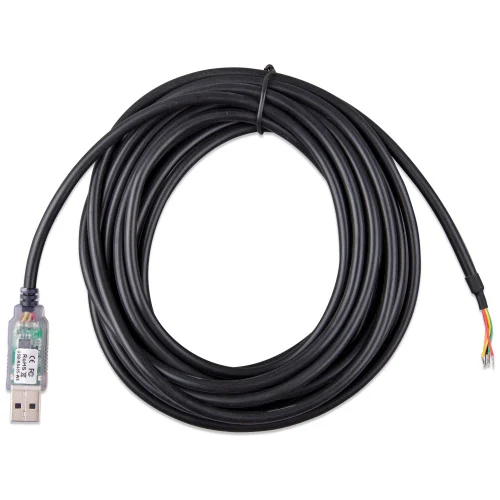
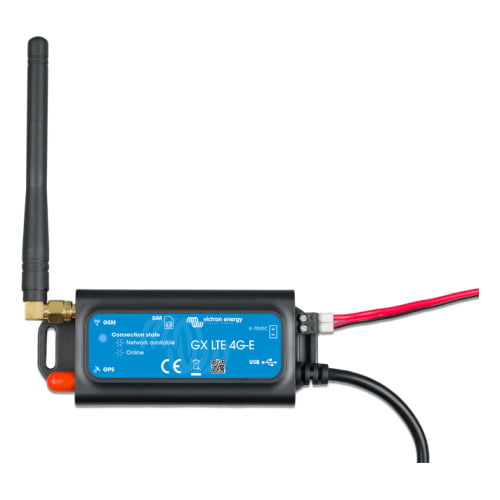
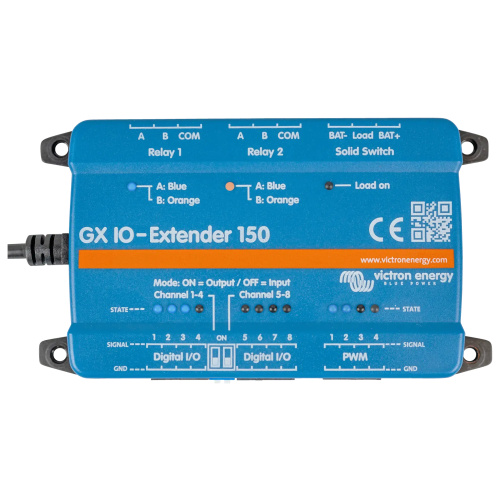
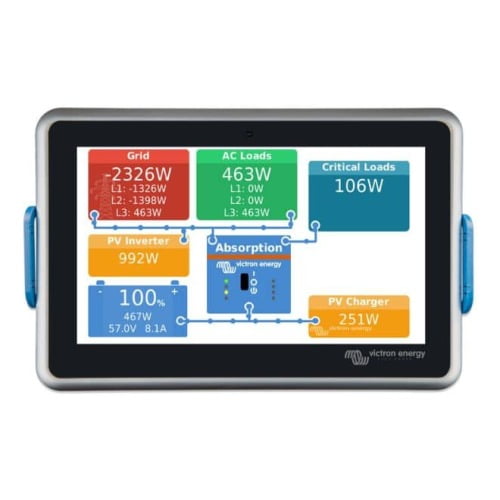
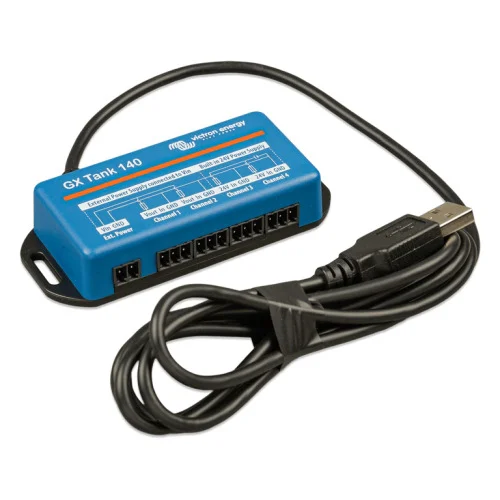
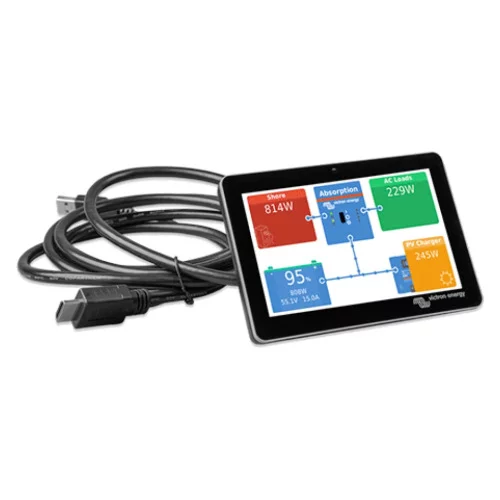
- Victron: GX IO-Extender 150 expansion module, wall bracket for Ekrano GX, external GSM antenna for GX devices with a modem, and accessories from the GX ecosystem.
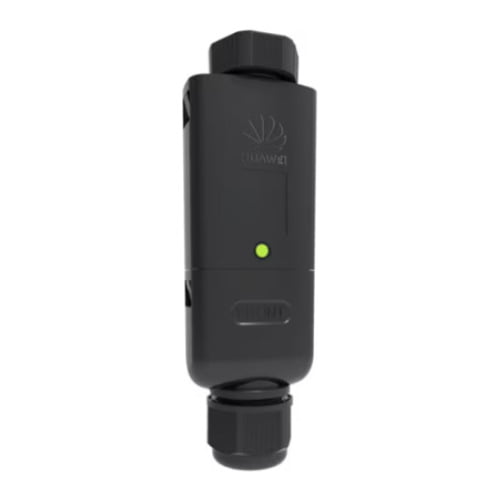
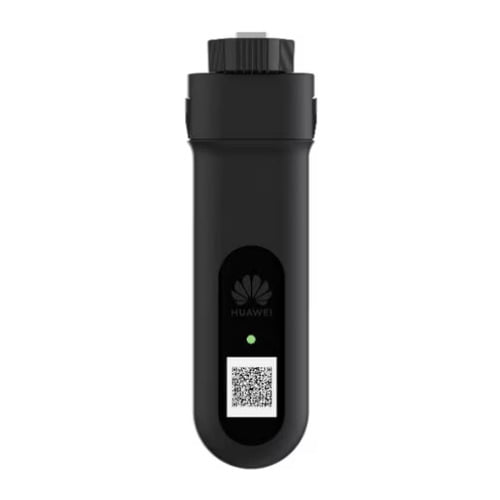
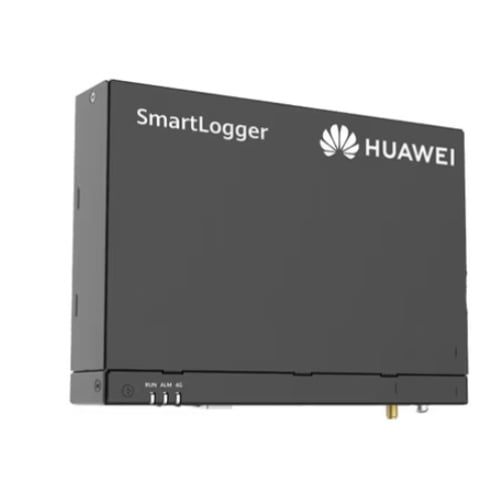
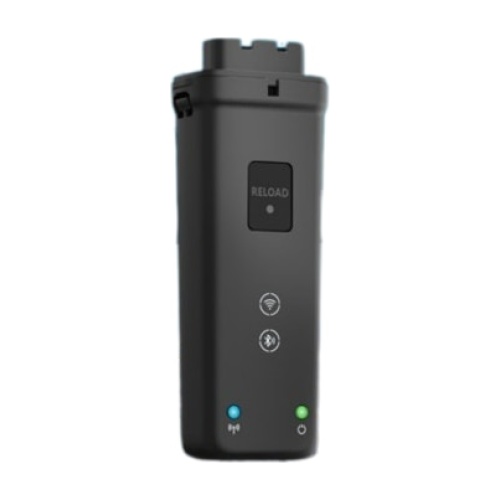
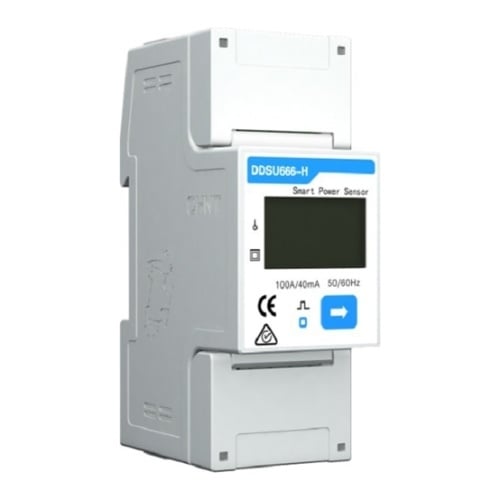
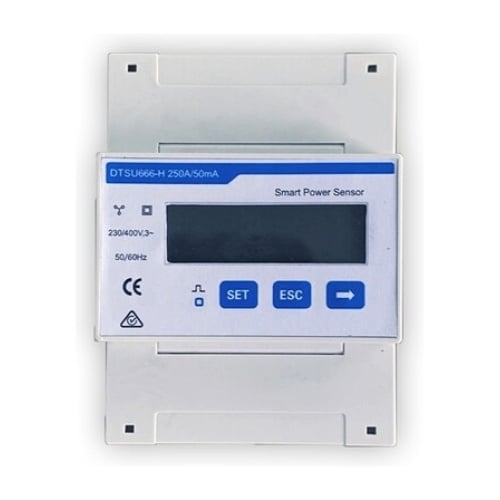
- Huawei: The single-phase Smart Power Sensor SmartPS-100A-S0 and the three-phase SmartPS-250A-T0, and the SmartLogger 3000 with Ethernet and 4G for installations with multiple inverters.
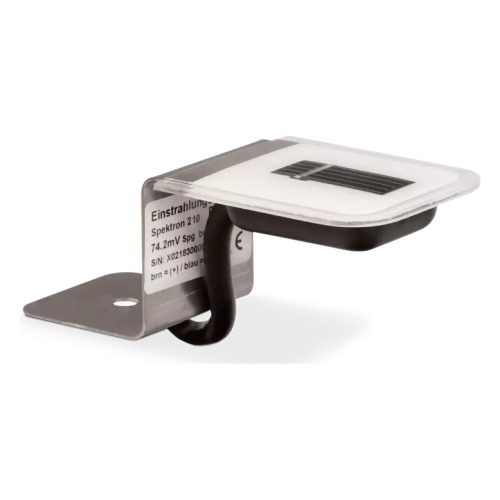
- Fronius: irradiation sensor to compare actual output with available solar resources.
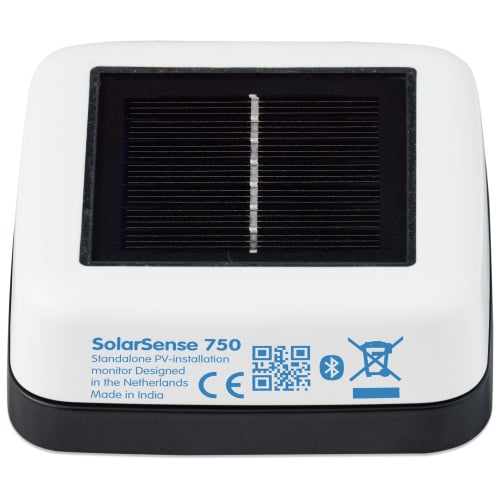
- Irradiance sensors: SolarSense 750, for installations where performance needs to be demonstrated.
What is a radiation sensor used for?
To distinguish between two questions that might otherwise be confused: if the installation is producing little power, is it because there is little sunshine or because something is wrong? Without measuring the irradiance at the generator plane, any diagnosis is mere conjecture.
Using the sensor, you can calculate the performance ratio actual —how much of the available energy your installation converts— and to detect dirt, new shadows, deterioration or a failed string by comparing the expected output with the actual output. This is essential when there is a contract with a production guarantee in place.
Do I need an energy meter if I already have an inverter connected to the internet?
Yes, if you want to know more than just the output. The investor knows how much the panels generate, but not how much the property consumes, nor how much flows into and out of the grid. That information is only provided by a meter on the main switchboard, and without it there can be no zero injection or intelligent surplus management.
Each manufacturer uses its own: Fronius uses the Smart Meter, Huawei uses the Smart Power Sensor, GoodWe uses the GM330 or the GMK110, and Victron uses energy meters compatible with the GX system.
Is it possible to monitor a system comprising equipment from different brands?
It is possible, with some caveats. Manufacturers’ portals only recognise their own equipment, so a system with an inverter from one brand and batteries from another will end up with two different apps.
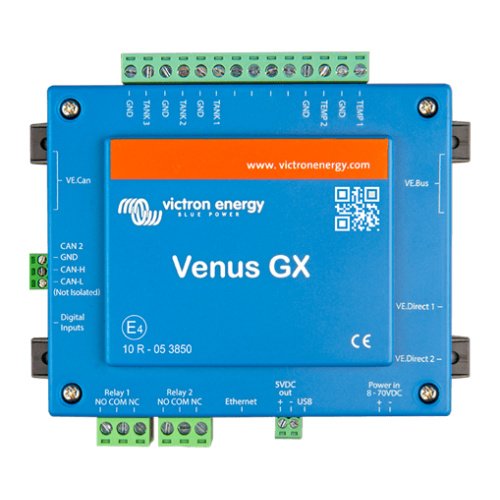
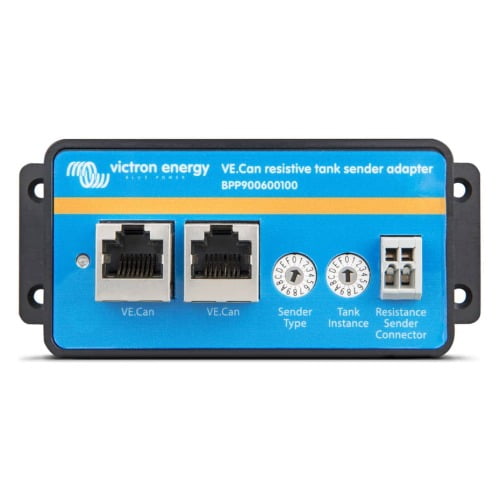
The usual route is a GX equipment from Victron As the system’s central processing unit: it reads Fronius inverters via Modbus TCP, compatible batteries via CAN and power consumption via meters, and integrates it all into VRM. This is the architecture we set up when there is AC connection between Fronius and Victron.
Do you want to monitor an existing installation but aren’t sure what you need? Our technical equipment It tells you which devices are compatible with what you already have.