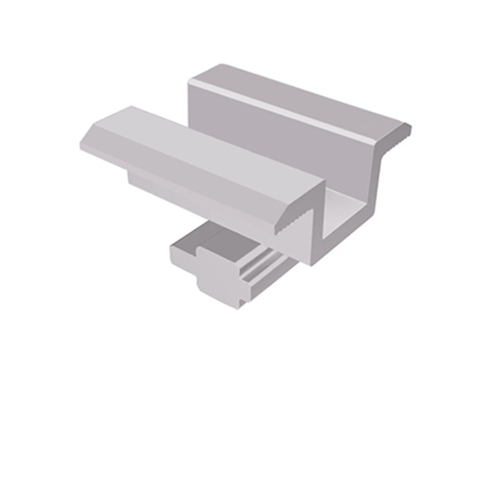
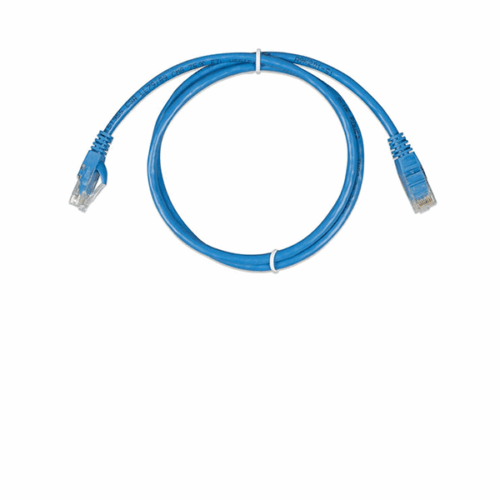
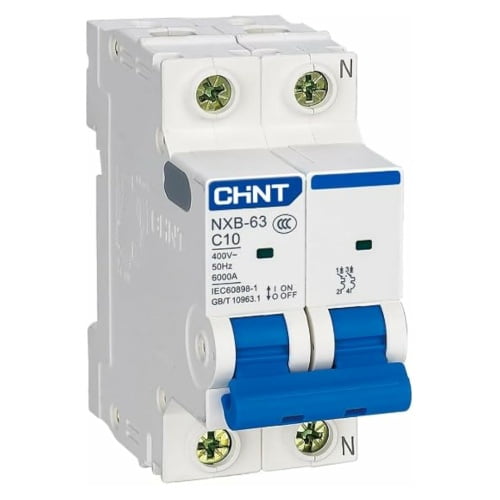
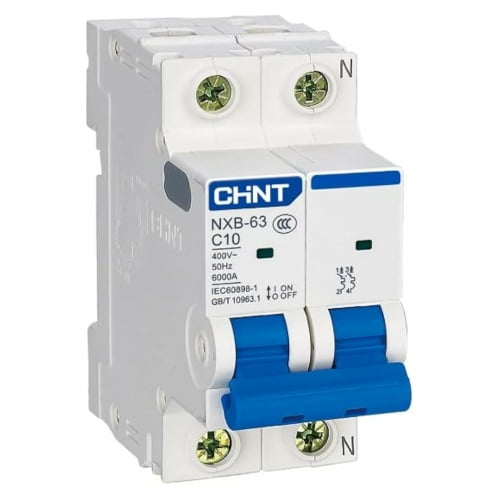
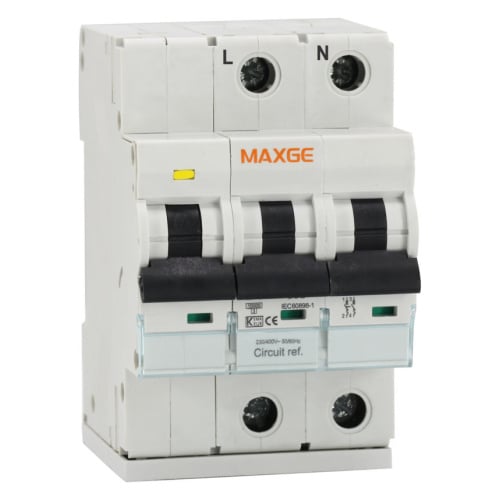
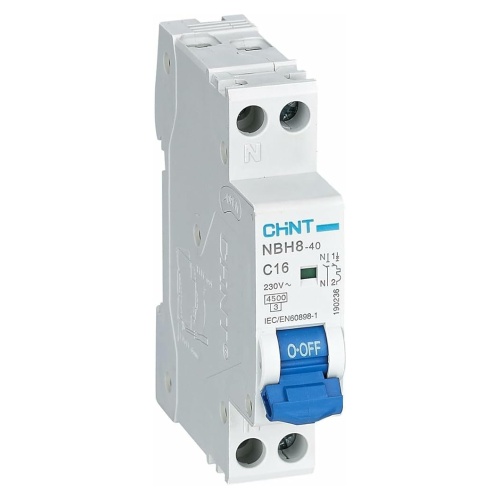
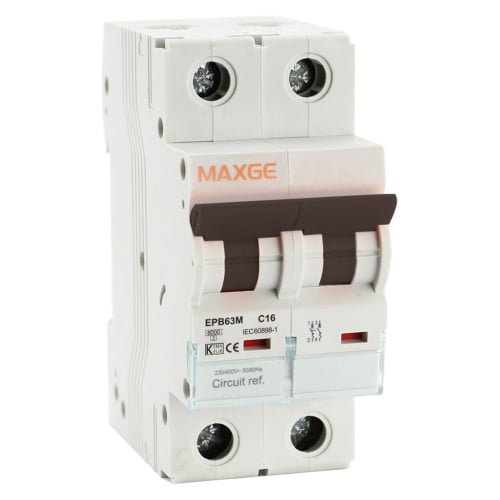
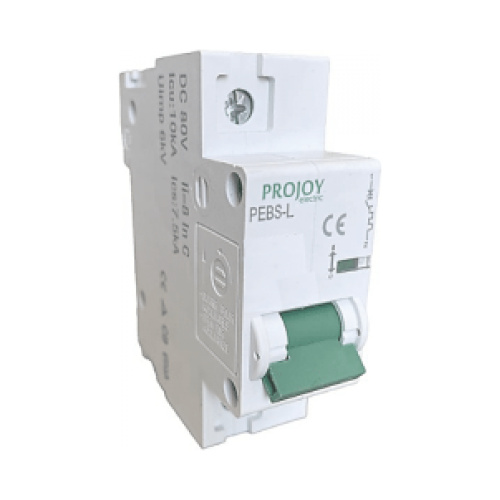
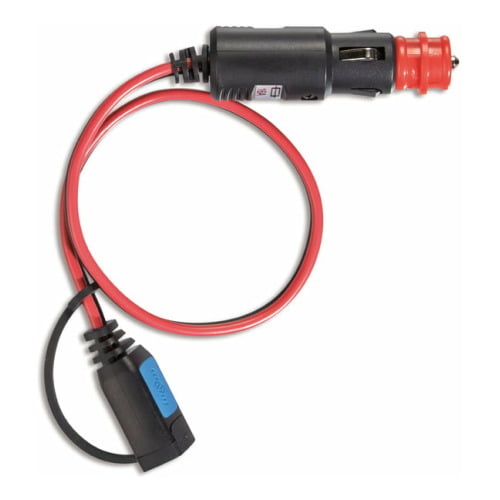
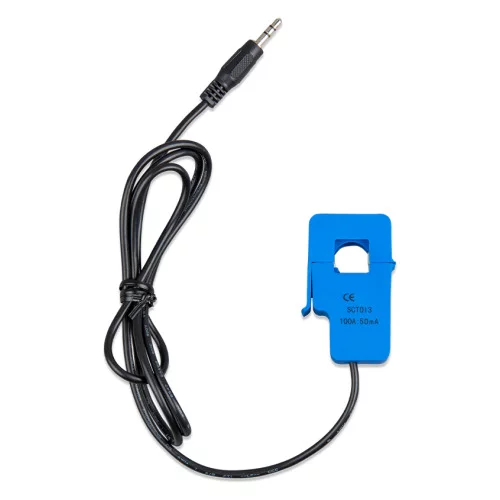
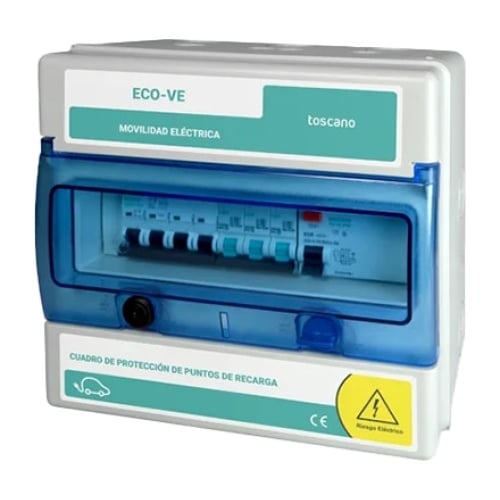
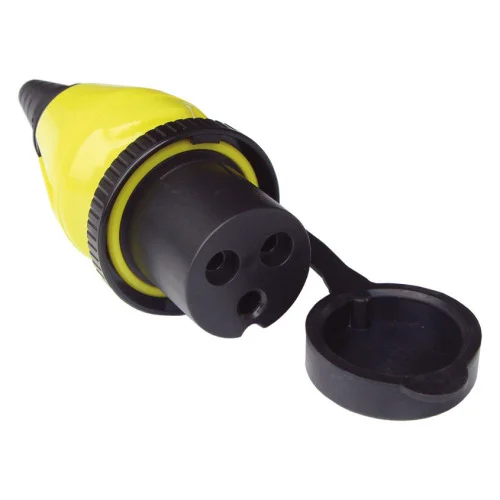
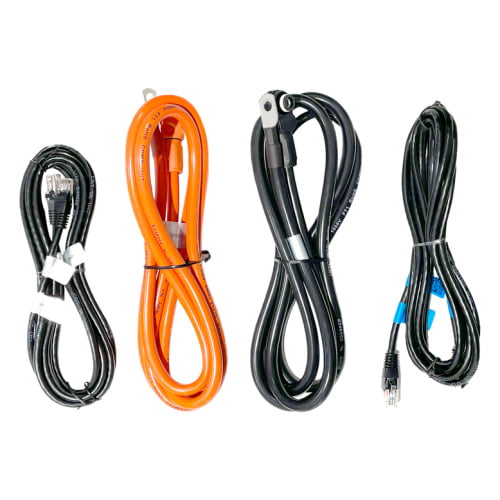
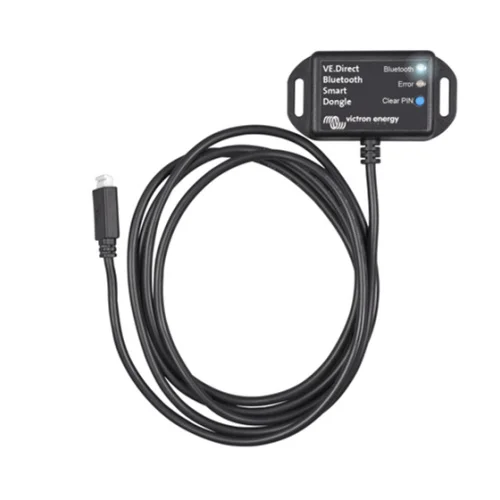
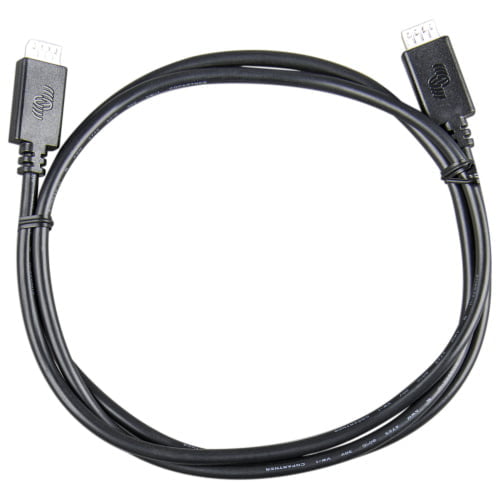
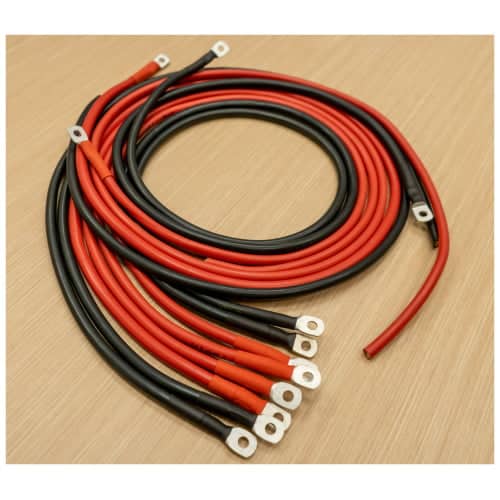
Electrical components are the part of the installation that nobody shows in photos, yet they determine whether the system works properly or causes problems. Cable of the correct cross-section, correctly sized protective devices, properly crimped terminals and a tidy layout: these are the factors that distinguish a reliable installation from one that gives you a scare.
What you need for a direct current installation
In off-grid photovoltaic, campervan and marine applications, the system operates at low voltages and very high currents – the exact opposite of a conventional domestic installation. This completely changes the criteria for selecting materials.
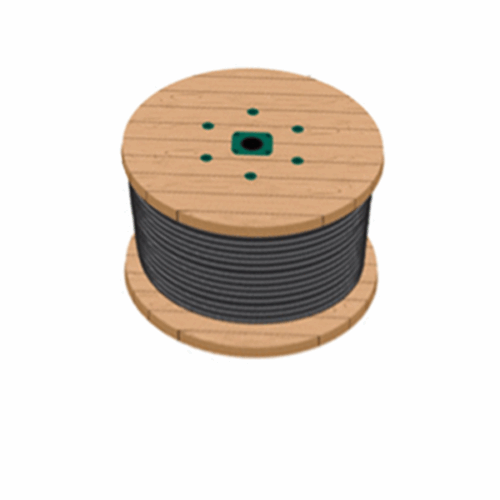
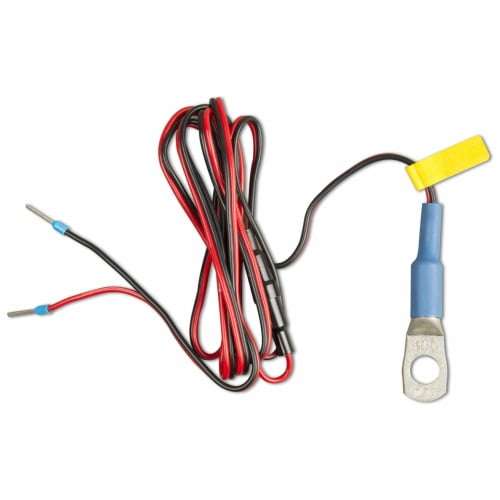
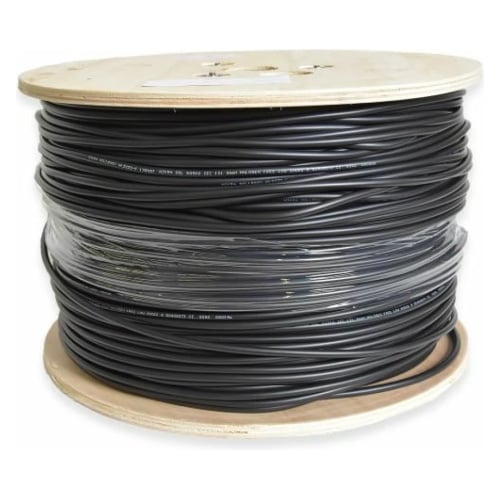
Cable: At 12 V and 1,000 W, that’s over 85 A. The cables become overloaded and the voltage drop reduces the output. Always calculate using the Cross-section table by power rating before you buy.
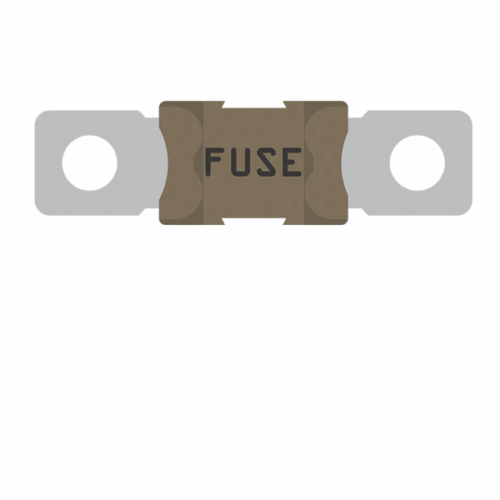
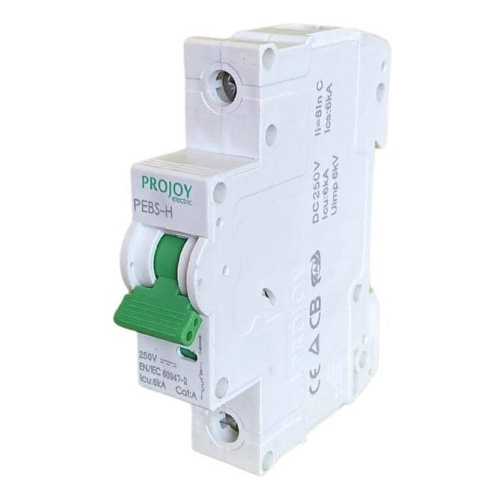
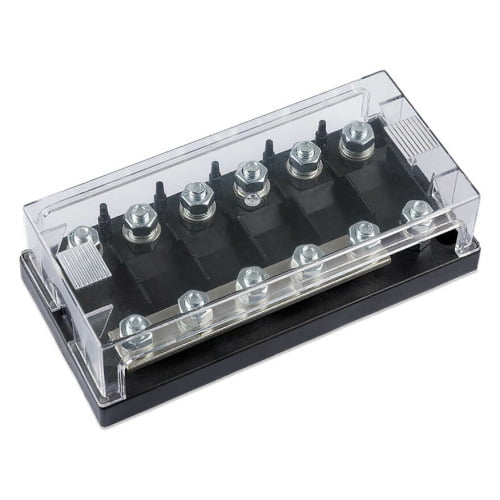
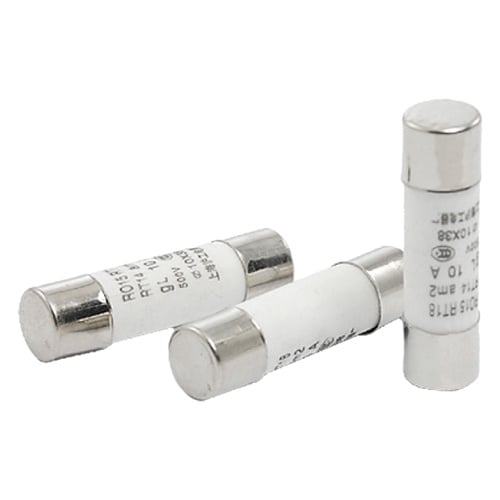
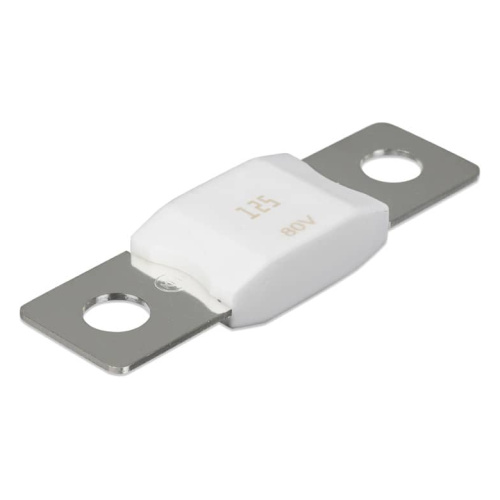
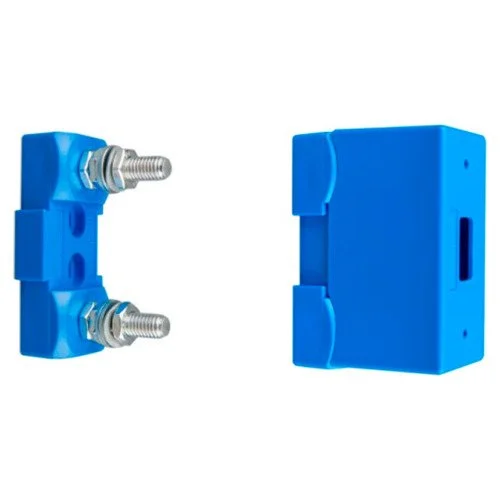
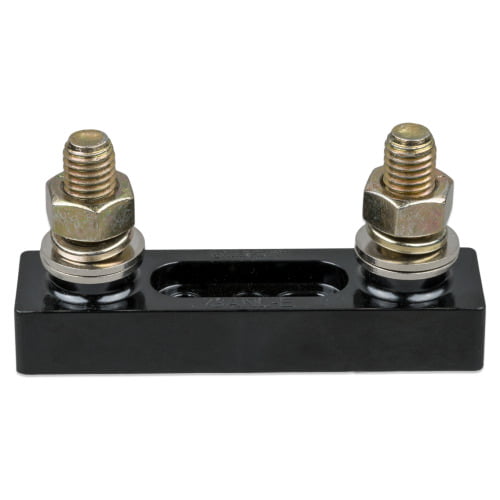
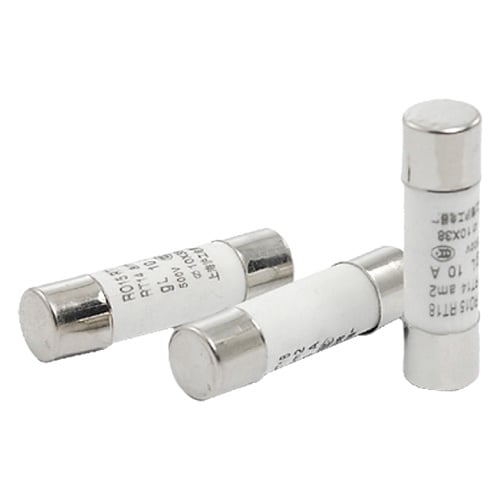
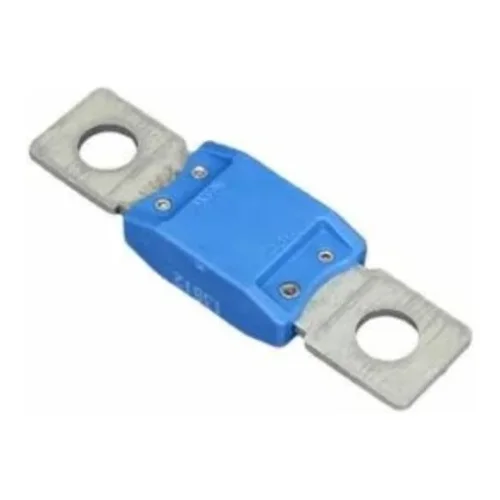
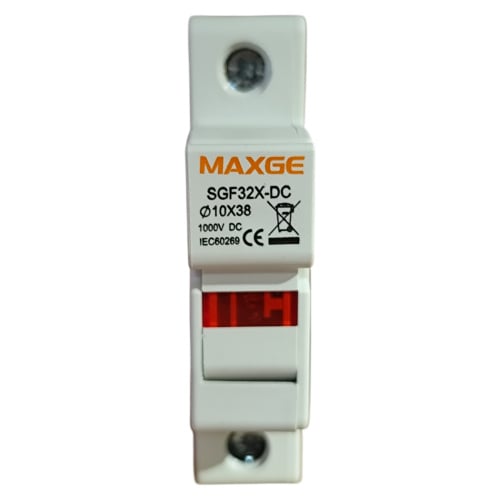
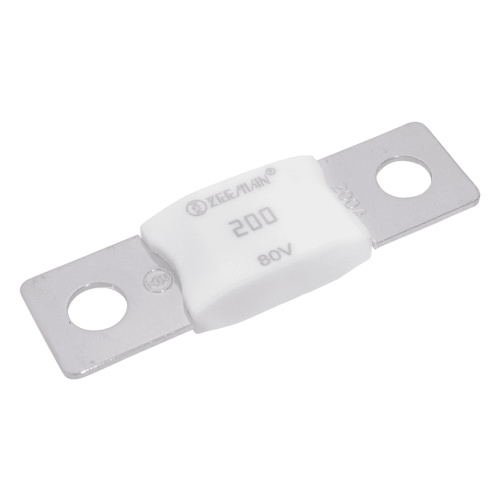
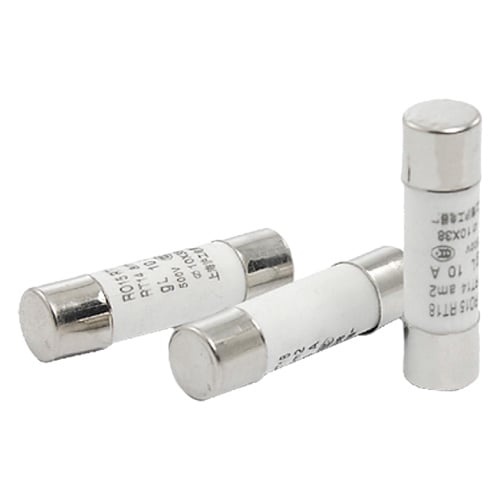
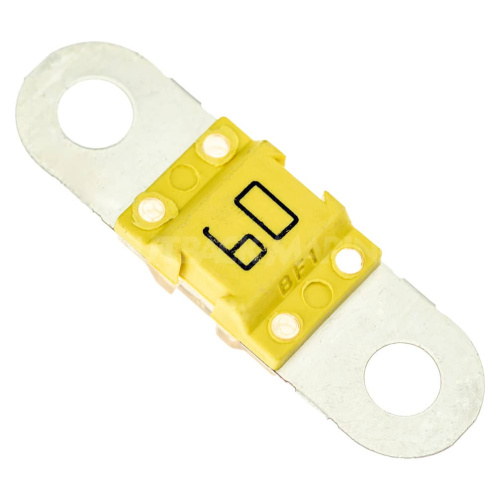
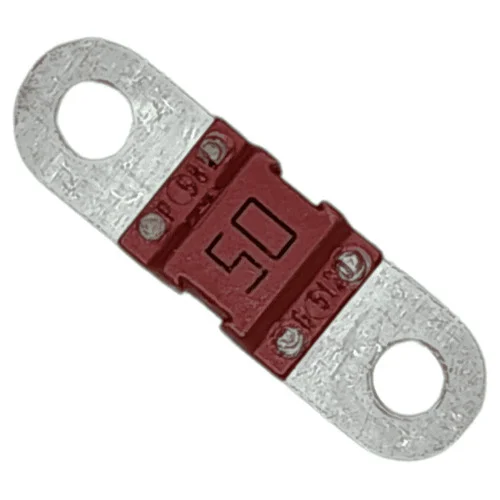
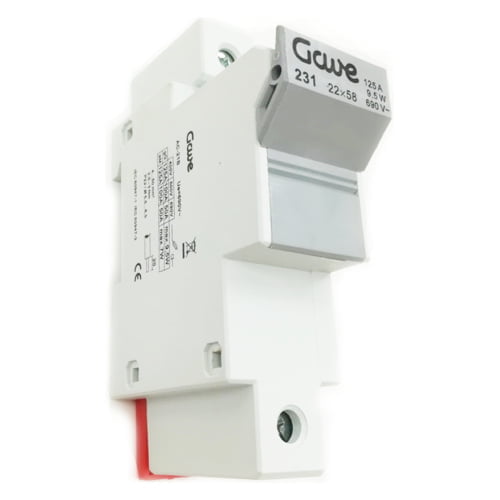
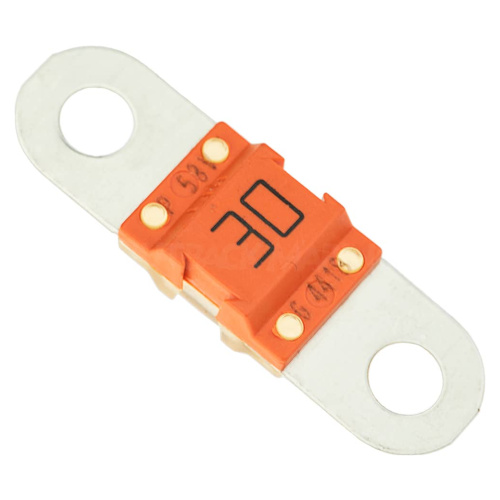
Fuses: Approved for direct current, not for alternating current. An alternating current fuse does not effectively cut off a direct current arc. Depending on the range, you will have MIDI, MEGA o ANL, with its fuse holder.
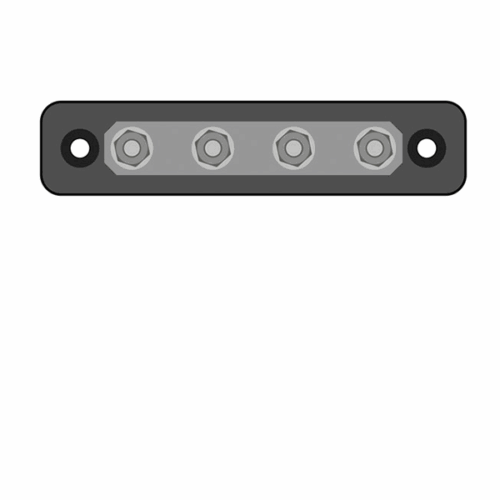
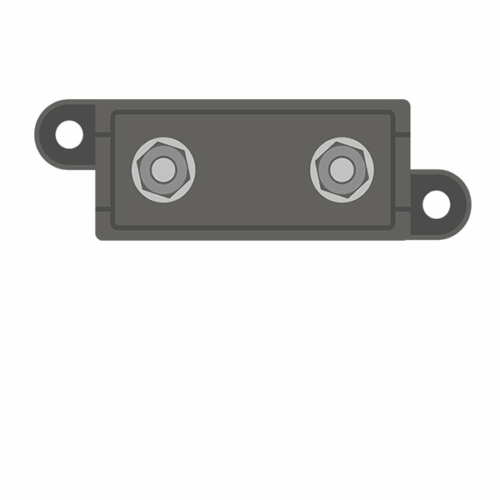
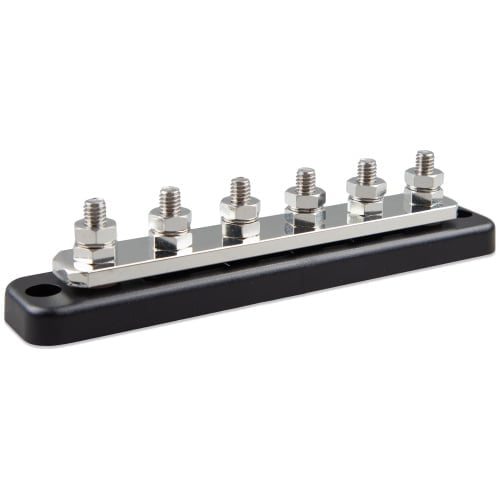
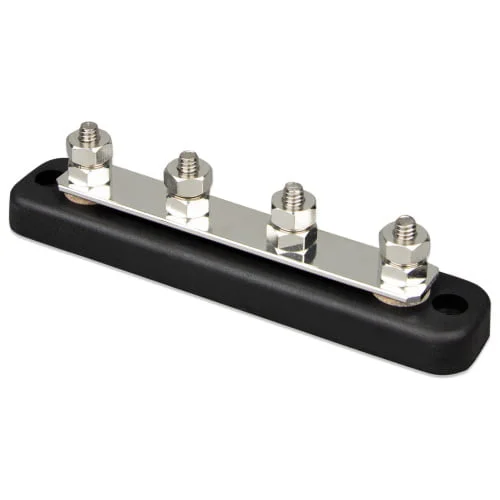
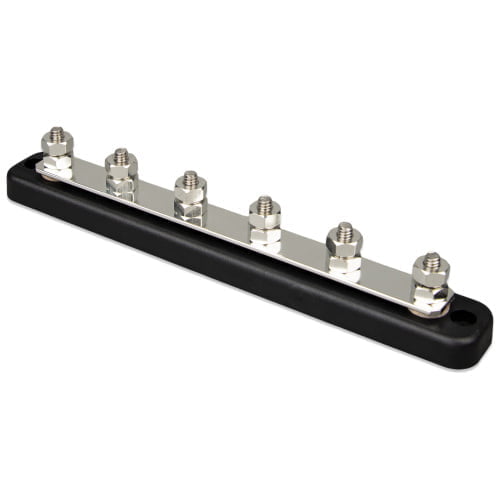
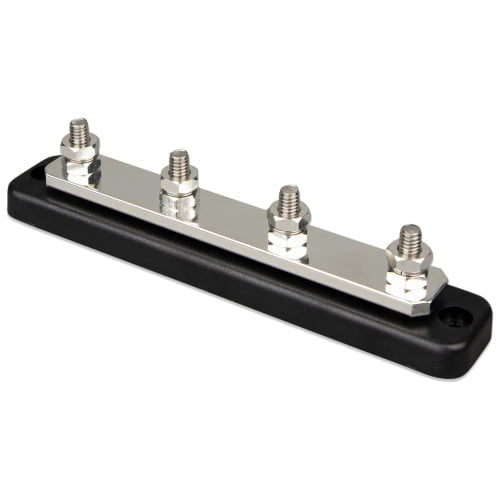
Busbar and distribution: When there are several loads connected to the same battery, a busbar prevents six terminals from being crammed onto a single terminal block, which is where overheating and poor contacts occur.
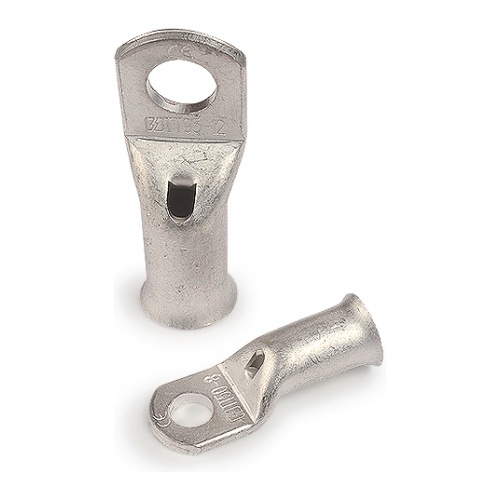
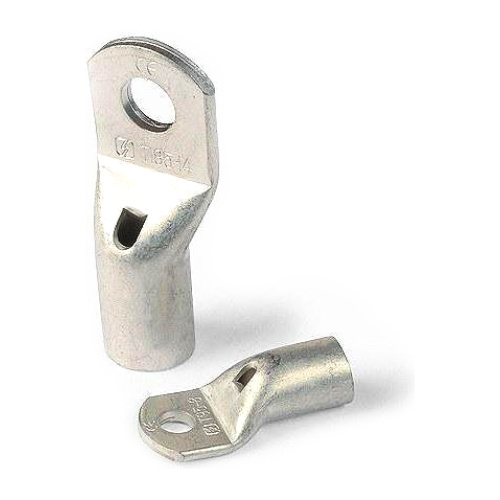
Terminals: of exactly the right size for the cable and properly crimped. A loose terminal at 100 A heats up to the point where it melts the insulation.
Protection measures in grid-connected installations
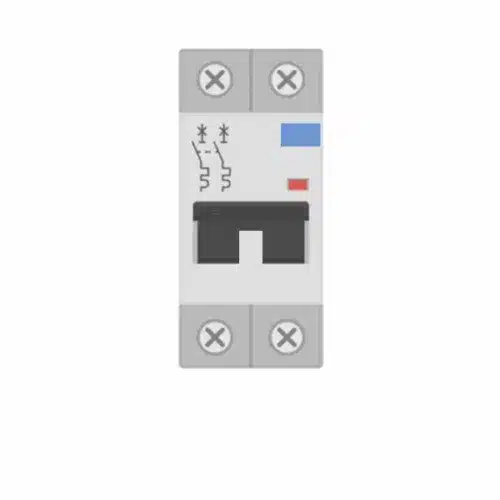
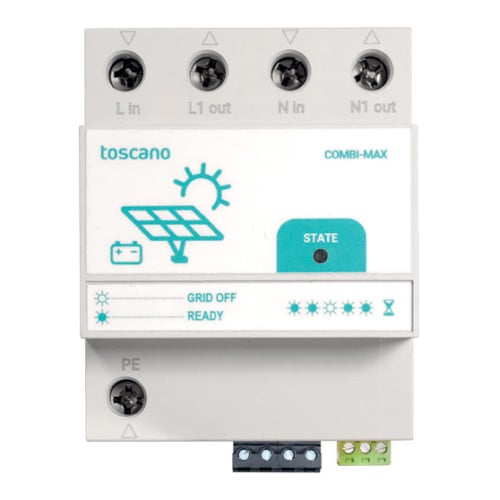
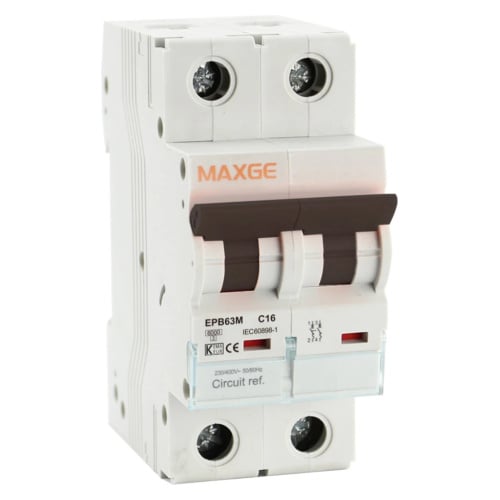
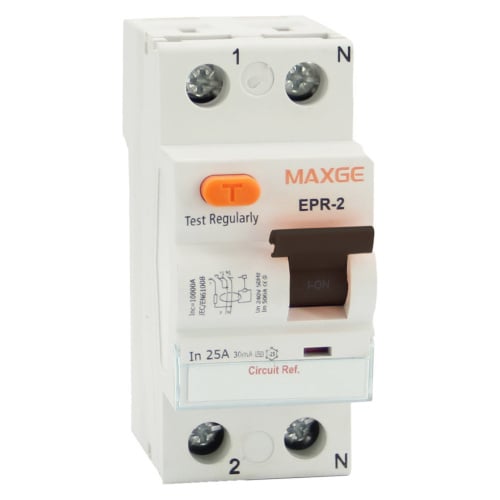
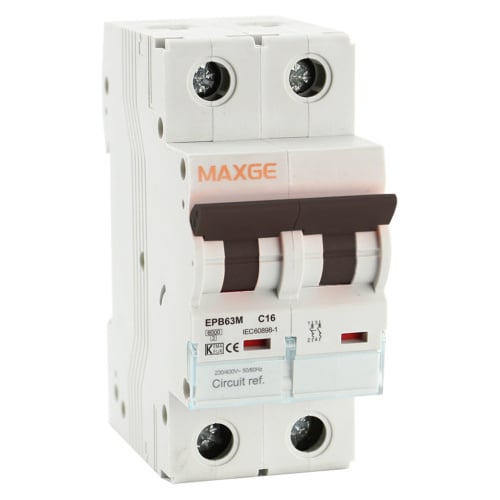
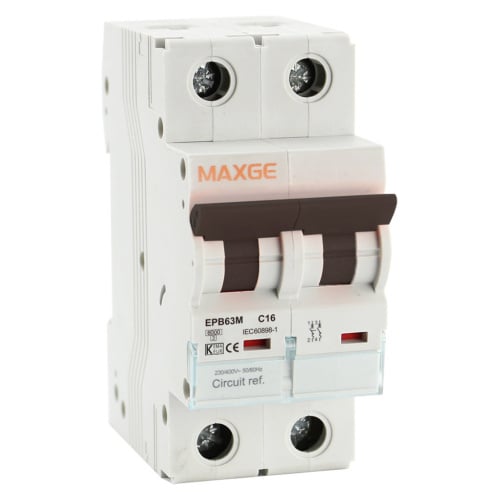
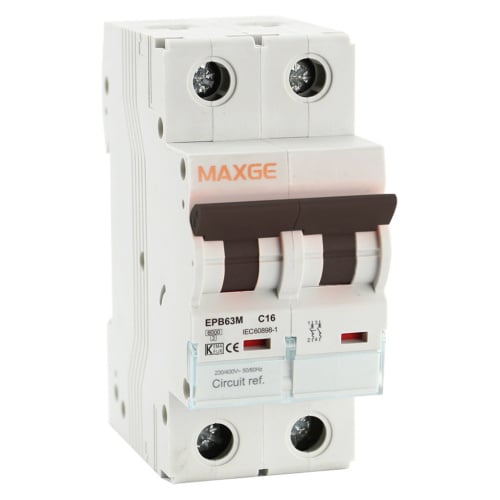
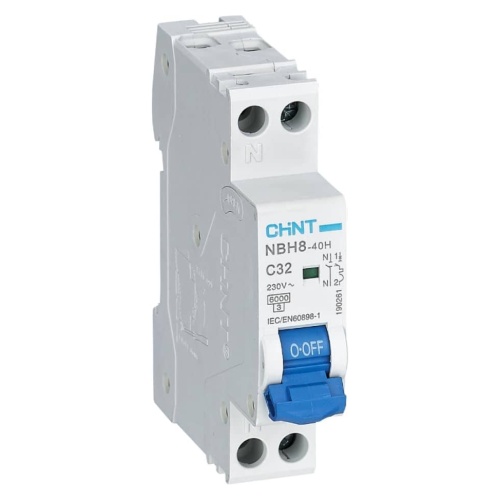
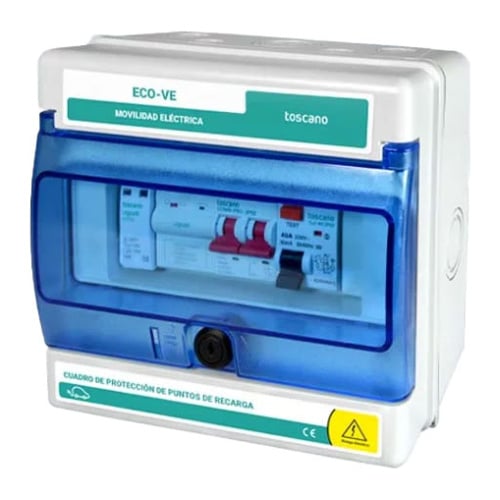
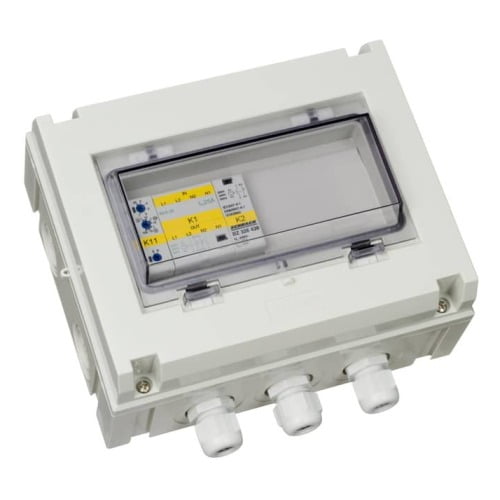
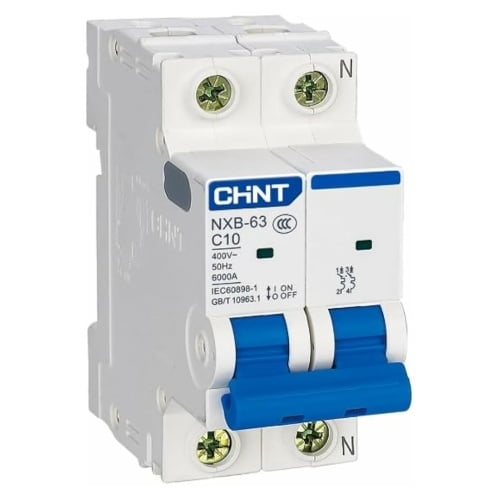
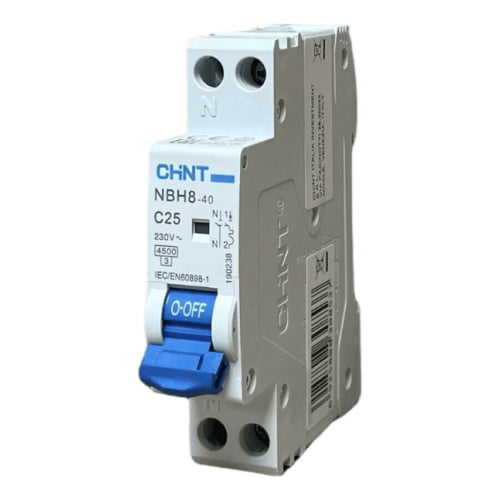
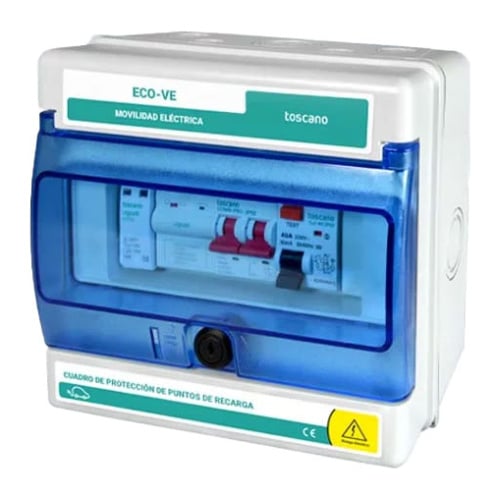
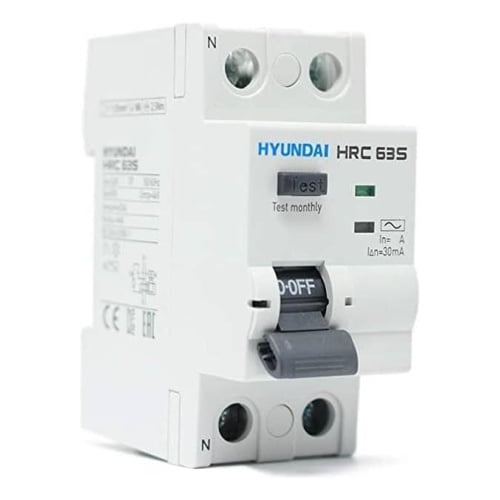
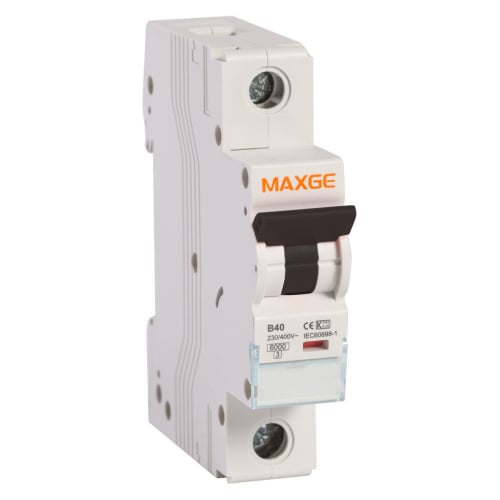
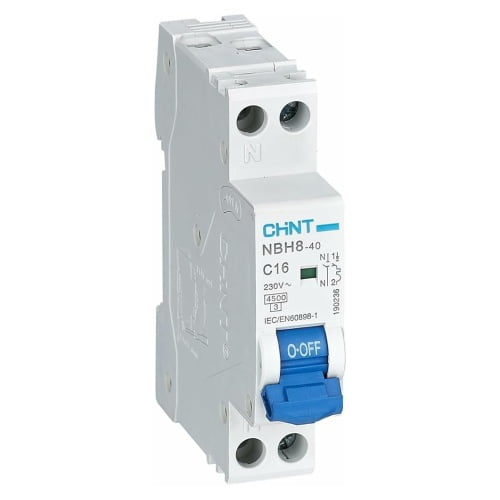
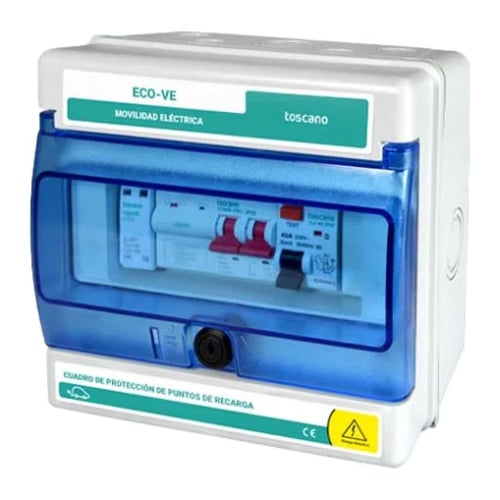
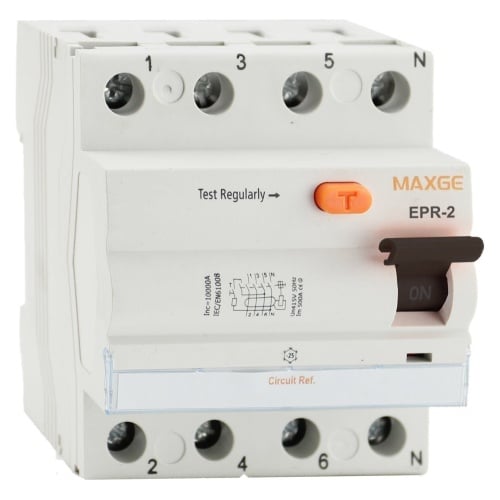
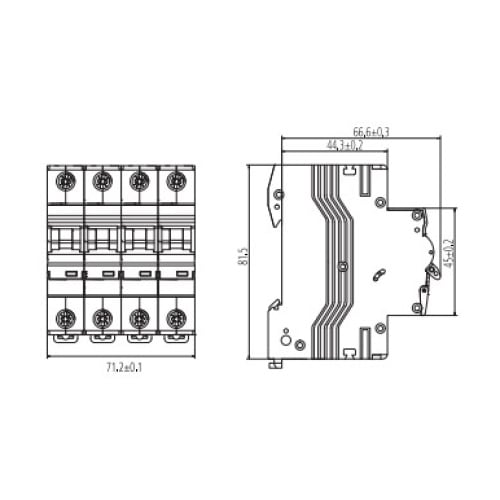
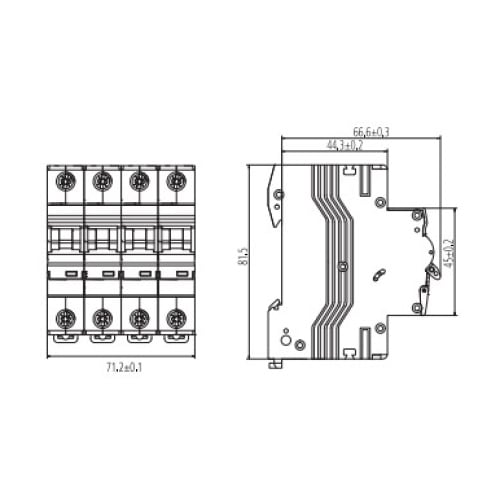
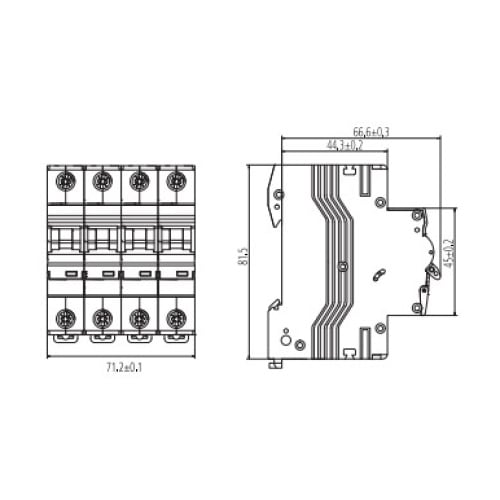
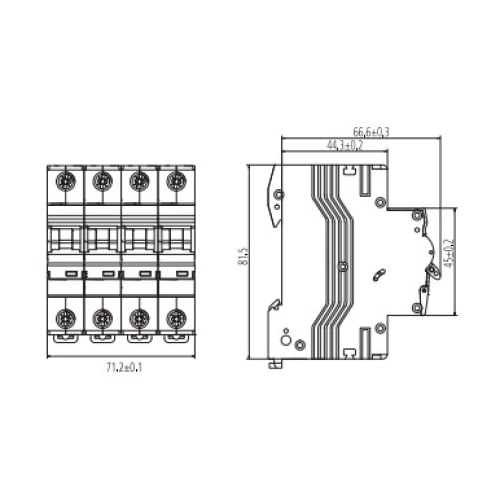
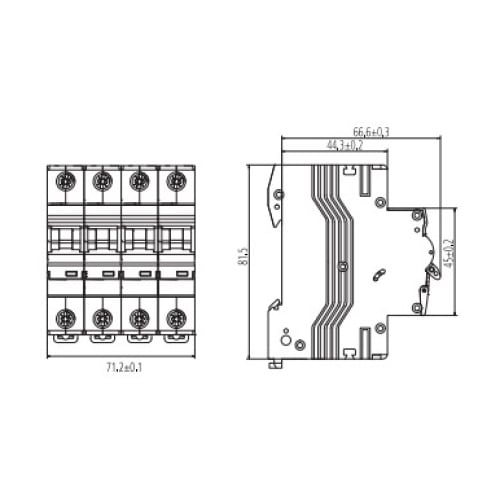
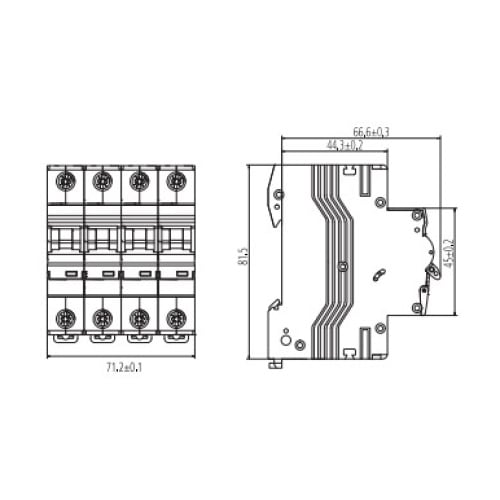
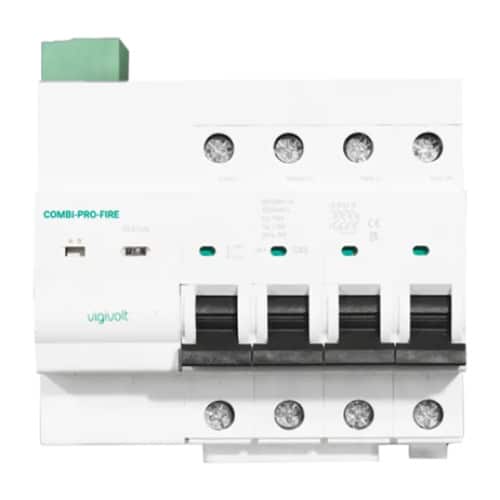
When it comes to on-roof self-consumption, the approach changes: the following factors come into play circuit breakers, residual current circuit breakers y surge protection on both the DC and AC sides. In a rooftop installation, the surge arrester is not optional: a nearby storm could render the inverter inoperable.
The most common mistake
Cutting corners on cable cross-section to save thirty euros, only to lose 5 % of production every day for fifteen years, as well as causing the wiring to overheat. Electrical materials are the cheapest part of the installation, yet they cause the most problems when corners are cut.
If you tell us which equipment you’re going to install and the lengths of the cabling, we’ll tell you the exact cable cross-sections, fuses and protection devices required. Technical advice free.