Inverter accessories complete the installation: backup in the event of power cuts, panel-level optimisation, irradiance measurement and mounting brackets. These are the components that do not appear in the initial quote and which ultimately determine whether the installation delivers what the customer expected.
What do you need to ensure you have a backup in the event of a power cut?
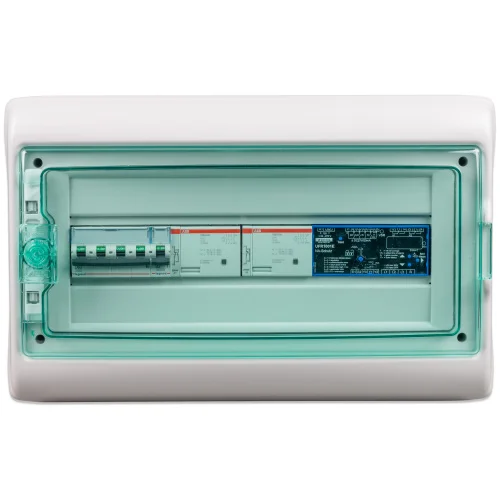
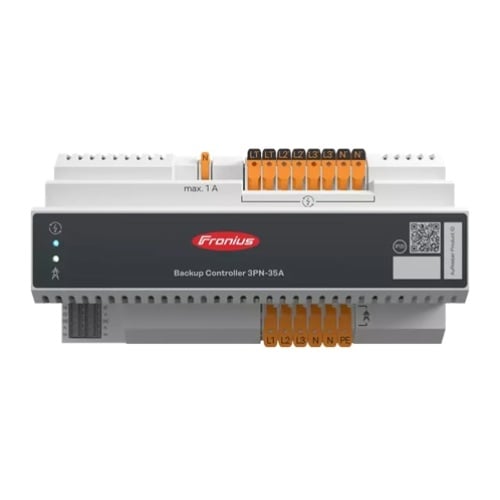
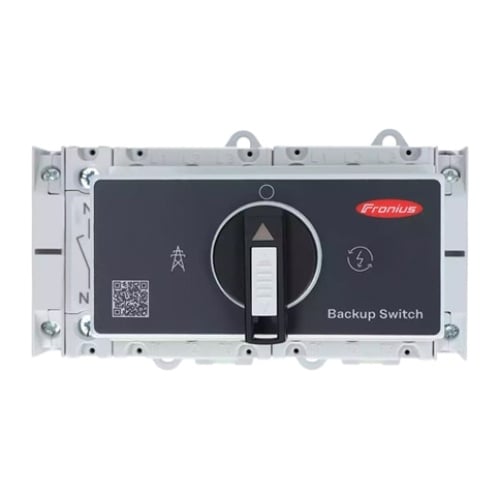
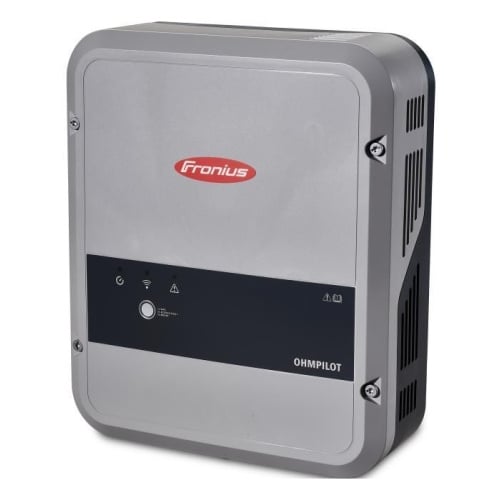
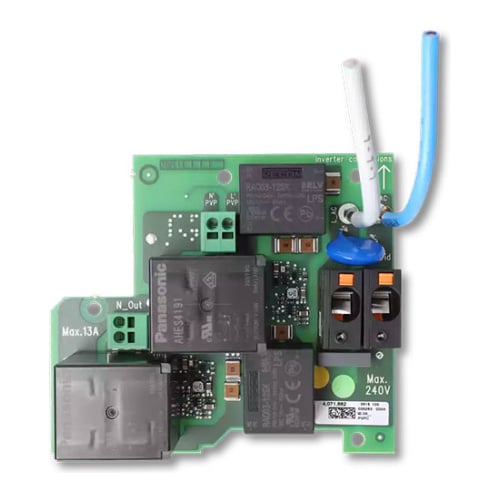
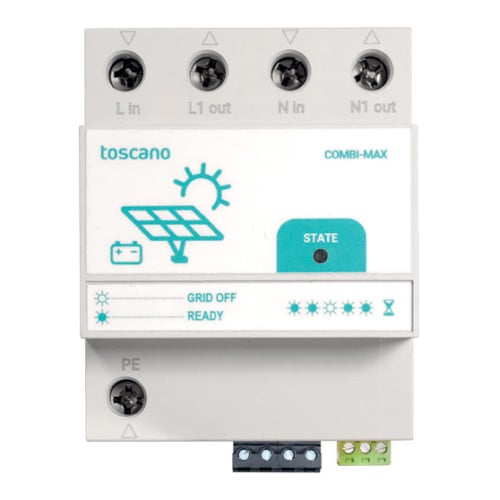
It depends on the level of support you want. The PV Point Comfort from Fronius provides a separate power socket that works as long as there is sunlight, without the need for a battery. The Backup Switch and the Backup Controller allow the entire system to be switched to island mode, with the system connected to a backup circuit.
The difference matters: the PV Point provides a socket; the Backup Switch powers the whole house. And the latter requires a battery and prior planning in the fuse box.
Are power optimisers any use?
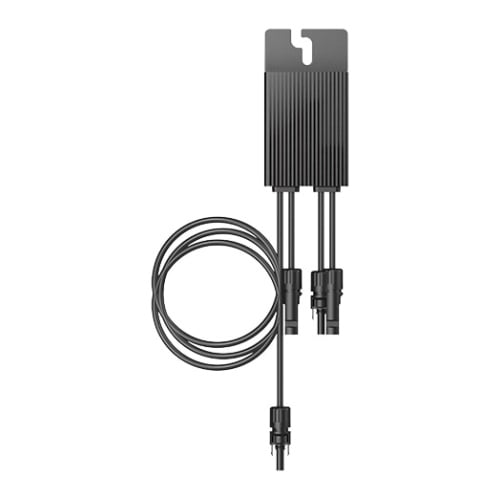
They’re useful when there’s partial shade or panels facing in different directions in the same string. The optimiser works on the point of maximum power on a panel-by-panel basis, so that a shaded module does not affect the rest of the string.
On a clean, evenly oriented roof with no obstructions, the optimiser does not increase energy output but does add another electronic component to the roof. It is not an accessory that is fitted as standard.
What is an irradiance sensor used for?
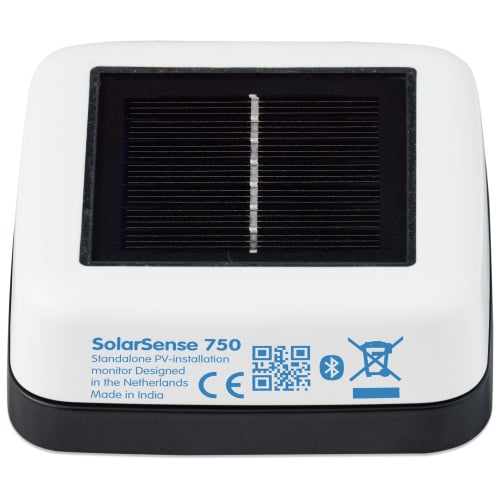
To find out whether the system is producing low output because there is little sunlight or because something is wrong. By measuring the irradiance at the generator plane, you can calculate the actual output and detect dirt, new shadows or a failed string by comparing the output with the available irradiance.
It is essential when there is a contractual production commitment, and very useful in large facilities where a loss of 10 % goes unnoticed for months.
See also the monitoring and the energy meters.