The cable is the most underestimated component in a photovoltaic installation and the one that causes the greatest loss of efficiency when chosen incorrectly. In low-voltage direct current systems, the currents are very high, and an insufficient cross-section results in voltage drop, heat build-up and energy loss on a daily basis.
What cable size do I need?
It depends on three variables: the current that will flow, the length of the circuit — there and back — and the voltage drop you are prepared to accept, normally a maximum of 3 % for battery sections.
A common example: a 12V, 2,000 W inverter It requires around 185 A. At a distance of 2 metres from the battery, a 50 mm² cable is needed; with a 25 mm² cable, the voltage drop would be unacceptable and the cable would overheat.
You have published the Cable cross-section table by power rating with the calculations already done for 12, 24 and 48 V. It is the most frequently visited page on our website and resolves 90 % of cases without the need for calculations.
A battery cable and a solar cable are not the same thing
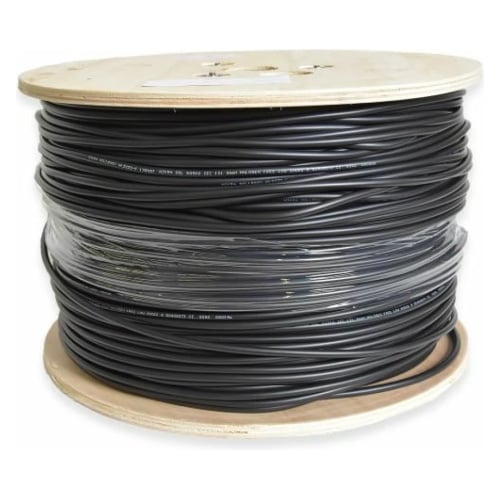
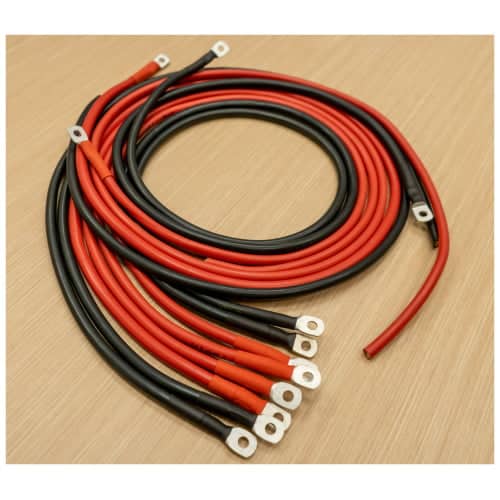
Battery cable: flexible, large-cross-section, with temperature-resistant insulation. This is the cable that runs from the battery to the inverter, the busbar or the booster, and carries the highest currents in the system.
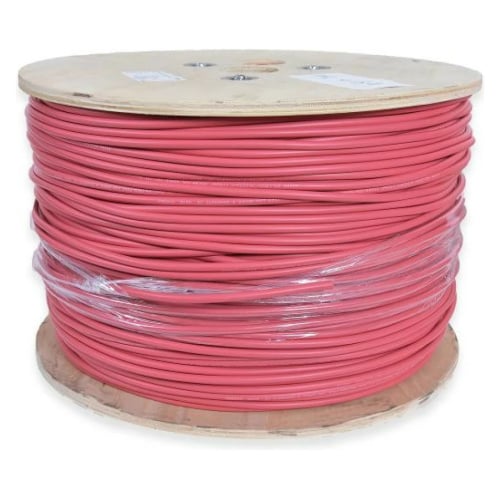
Solar cable: usually 4 or 6 mm², with double insulation and UV resistance, as it will be exposed to the elements for years. A standard cable exposed to the sun will deteriorate within a couple of seasons.
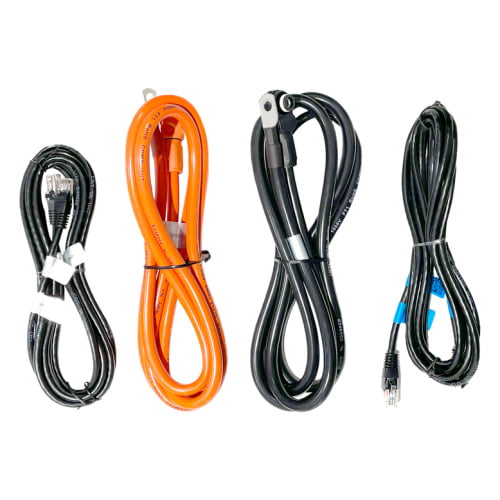
For Victron installations, we also have Victron-specific cables —VE.Direct, VE.Can, VE.Bus and RJ45— which are used for communication between devices, not for power.
Terminals and protective covers
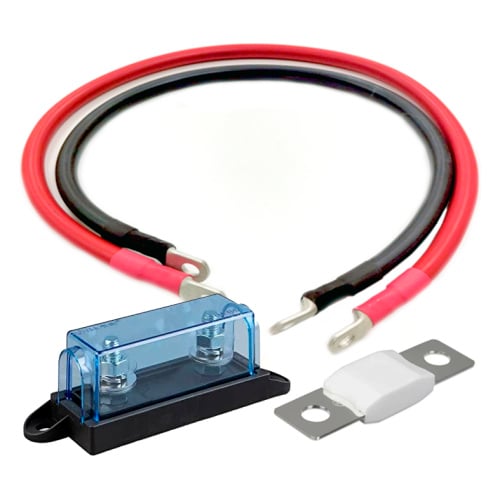
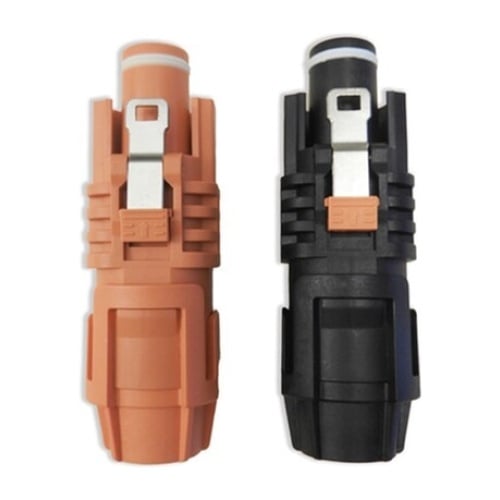
A 50 mm² cable with a poorly crimped terminal is bound to cause a hot spot. Use terminals of the exact size and using the right tool, and secures each section with its fuse as close as possible to the source.
If you tell us which devices you’re going to connect and the distances involved, we’ll work out the cable sizes for you: technical advice free.