- Free shipping to mainland Spain for orders over 300€.
Rack cabinets for batteries
“Pylontech 22U Battery Rack Cabinet - NCB22-68-CAB - White” has been added to your basket. View basket
-
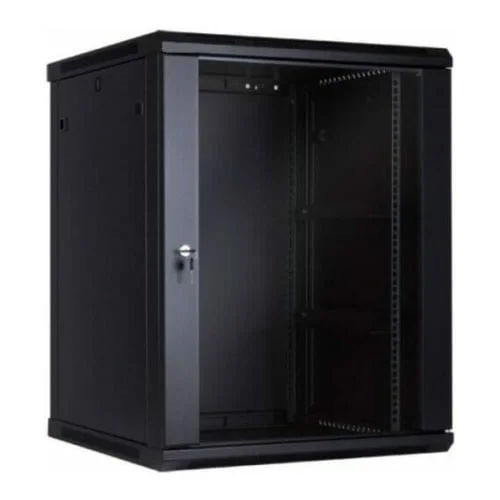
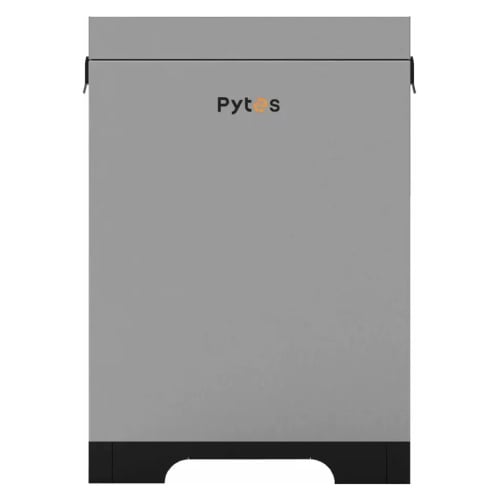
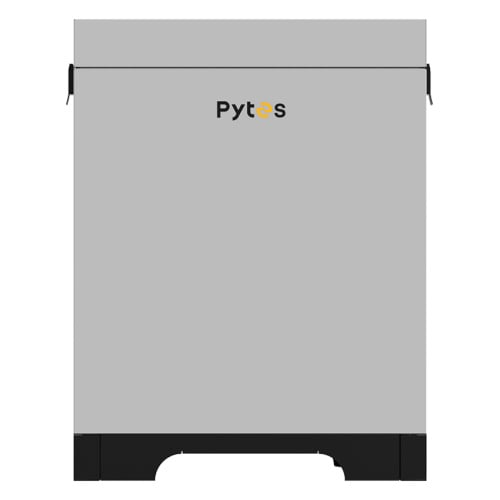
Pylontech Rack Rack Cabinet
429,55€
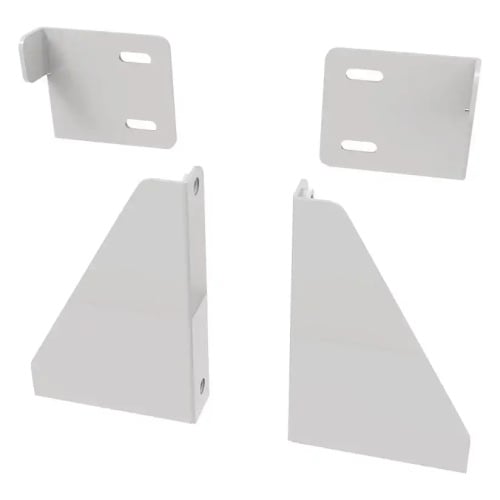
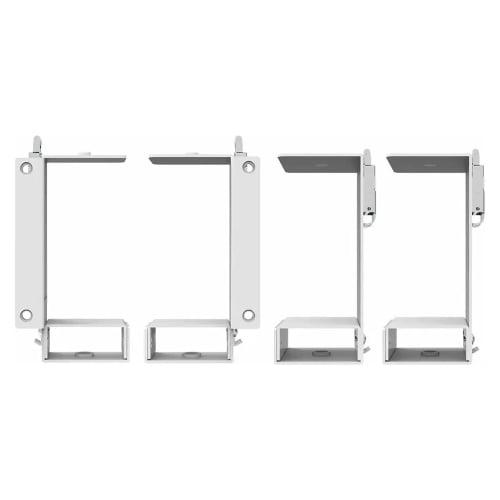
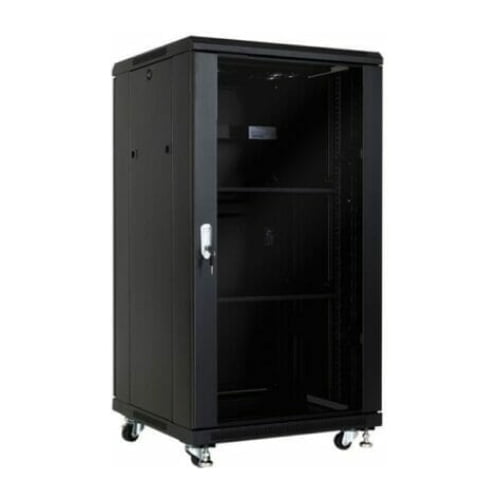
A battery rack is the metal structure in which the 48V lithium modules are stacked and, in many cases, the inverter and protective devices are also housed. It organises the installation, protects it from dust and knocks, and means that expanding the battery bank at a later date is simply a matter of adding another module.
What is a lithium battery cabinet used for?
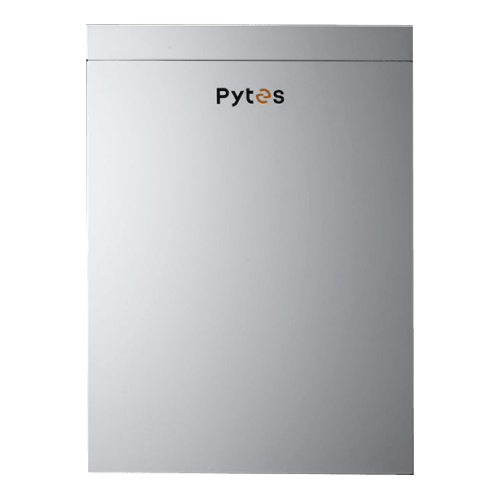
The 48V lithium batteries Rack-mounted units are designed to be mounted vertically, one on top of the other, with the power and communication cables running down the centre column. Without a cabinet, you end up with modules stacked on the floor, exposed cables and no secure fastenings, which poses a safety and maintenance issue.
The cabinet provides three things: mechanical support for each module on its tray, neat cable routing, and protection against dust, damp and accidental contact in an installation that handles high voltages and currents.
Cabinet for inverter and batteries
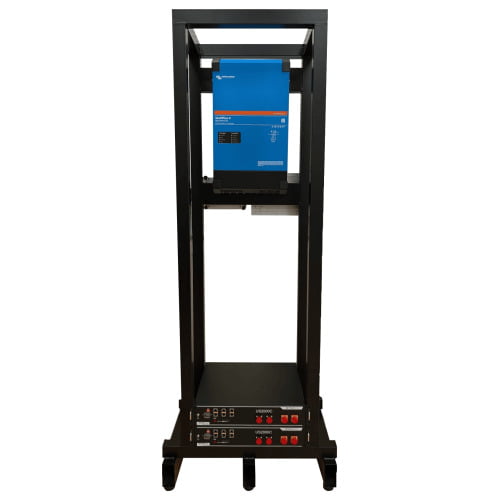
There are two approaches. The battery-only cabinet It only houses the modules and leaves the inverter on the wall; this is standard practice when the inverter was already installed. The built-in cupboard leaves space at the top for the inverter-charger and the protective covers, so that the entire storage system fits into a single unit.
This second option is the neatest solution for new-build projects and makes maintenance much easier: all the DC cabling is kept short and within the same enclosure.
How to choose the right size
Racks are measured in rack units (U). Each battery module occupies between 2U and 4U, depending on the model. A 15U cabinet can accommodate around four or five modules; a 22U cabinet can accommodate between six and eight, plus space for the column-mounted BMS and protective devices.
A practical tip: size the cupboard to the capacity you want to eventually achieve, not to the capacity you need today. Replacing the cupboard when you extend the worktop costs more than buying one with extra space built in from the start.
What else do you need?
In addition to the cabinet, the interconnect cables for the modules — usually supplied by the battery manufacturer —, the fuse general principles of continuous calculus and the BMS systems column-based when the brand requires them.
We supply rack cabinets compatible with Pylontech and with the other modular battery systems in our catalogue. Tell us how many kWh you want to install now and how far you plan to go, and we’ll tell you which cabinet is right for you: get in touch with us.