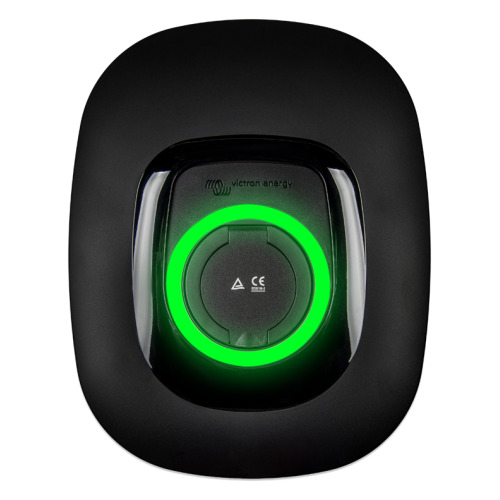
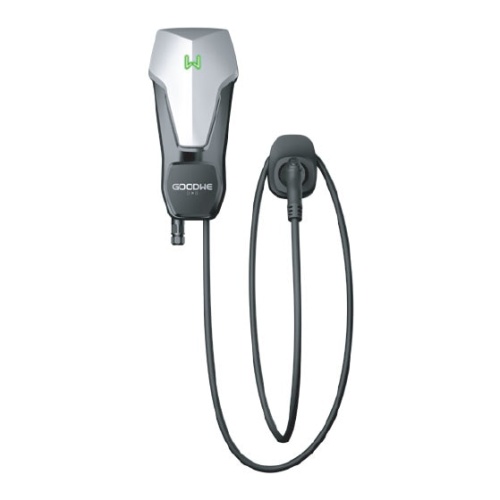
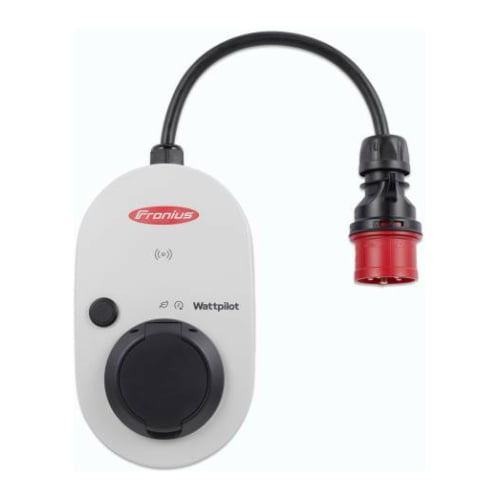
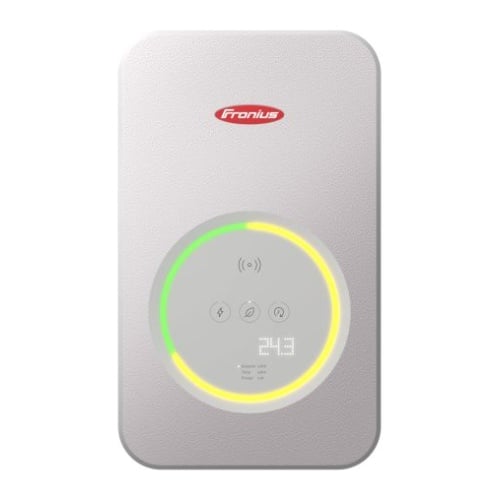
An electric car charger — or wallbox — is what turns your garage into the place where you’ll be recharging 90 % of the time. Charging at home costs between three and five times less than doing so at a public charging point, and if you also have solar panels, the cost per kilometre is close to zero. Here you’ll find chargers for electric and plug-in hybrid vehicles, with technical advice to help you before you buy.
What charger power rating do I need?
The charger’s power output needs to be compatible with three things: your home’s contracted electricity supply, your car’s on-board charger, and the time you have available for charging.
3.7 kW single-phase (16 A): It recovers around 20 km per hour of charging. That’s enough for a plug-in hybrid, which rarely uses more than 15 kWh from the battery and can be fully charged overnight with plenty to spare.
7.4 kW single-phase (32 A): the standard for a fully electric vehicle at home. Around 40 km per hour, meaning a 60 kWh battery takes around eight hours to go from empty to full. This is the option we recommend for most domestic installations.
11 and 22 kW three-phase: It only makes sense if you have a three-phase supply and the car supports on-board three-phase charging. Many vehicles limit AC charging to 7.4 or 11 kW, so installing a 22 kW system does not always mean faster charging.
Home electric car chargers: what to look out for
Dynamic power control. This is the function that prevents the circuit breaker from tripping. The charger measures the power consumption of the rest of the house and adjusts the current it supplies to the car in real time. If you have a 5.75 kW contract and do not wish to increase your power supply, this is not optional.
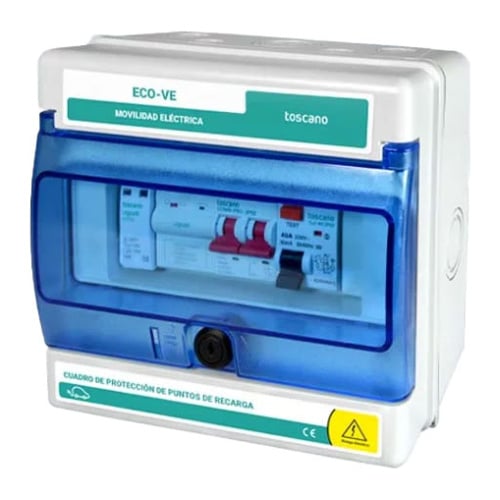
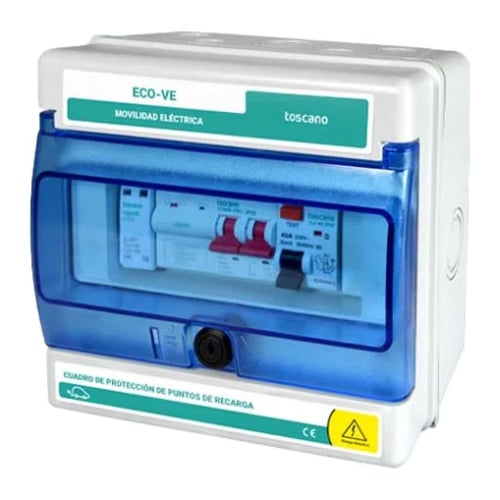
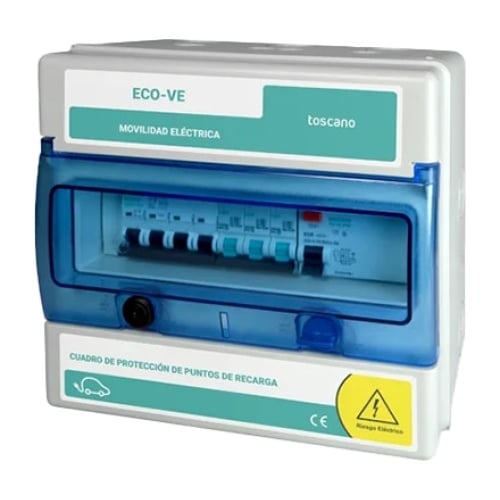
Built-in protection. A domestic charger must be fitted with residual direct current detection; this is a requirement under the regulations, so that a separate Type B residual current device does not need to be installed. Always check this point: it is the area where manufacturers cut corners most on cheap equipment.
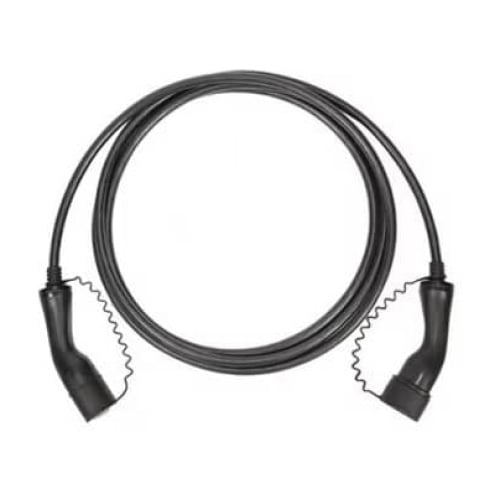
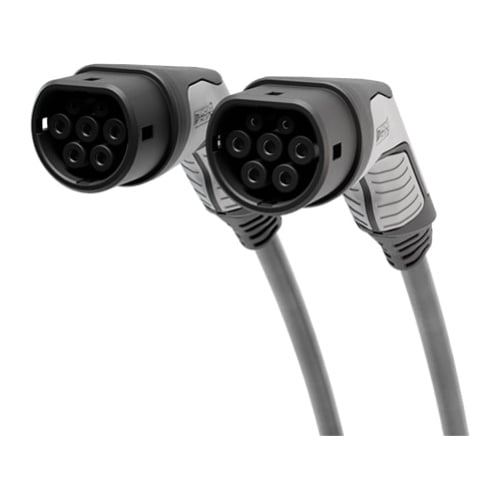
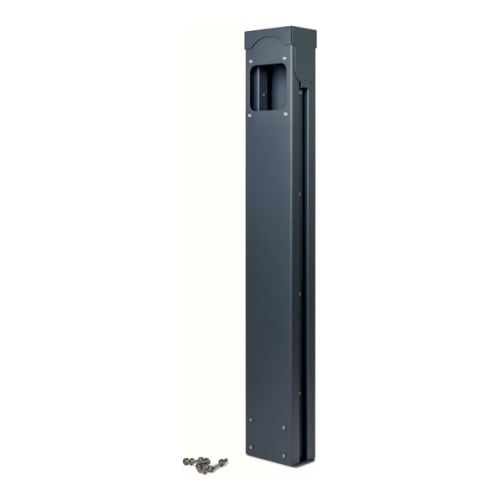
Type 2 connector. It’s the European standard. The real question is whether to go for a fixed cable or a socket: a fixed cable is more convenient for day-to-day use, whilst a socket lets you use the car’s own cable and looks neater.
Connectivity. Scheduling charging for off-peak hours, or ensuring it only starts when there is surplus solar power, is what really brings the bill down.
Charge your car using your solar panels
If you already have a self-consumption setup, a charger with surplus energy management charges your car using only the energy you were going to feed into the grid. In a 5 kWp system, that amounts to around 20–30 kWh a week, which instead of being sold at €0.05/kWh is used to power your car for free.
For it to work properly, the charger needs to communicate with the inverter and with a energy meter in the overall picture. We work with the Victron EVCS charging station, which integrates natively with the Victron ecosystem and the Cerbo GX, and with the Fronius Wattpilot, which does the same with Fronius investors and its Smart Meter.
Charger for plug-in hybrids
A plug-in hybrid has a battery capacity of between 8 and 20 kWh and an on-board charger that is almost always limited to 3.7 kW. That’s why installing a 22 kW wallbox for a PHEV is pointless: the car won’t accept any more than that. At 3.7 or 7.4 kW, it’ll charge from empty to full overnight, and you’ll have time to spare.
Installation and support
The installation must be carried out by an authorised installer and requires a dedicated circuit from the fuse box, dedicated safety devices and, in the case of a owners’ association, the prior notification required by the Horizontal Property Act — no approval at a general meeting is required. If you are going to run a cable out to the square, make sure you calculate the cable cross-section correctly: you have the cable cross-section table published as a DIY guide.
If you’re unsure which system is right for your car, your contracted power supply and your solar installation, our technical equipment We’ll check it for you before you buy. Items in stock with delivery within 24–48 hours.